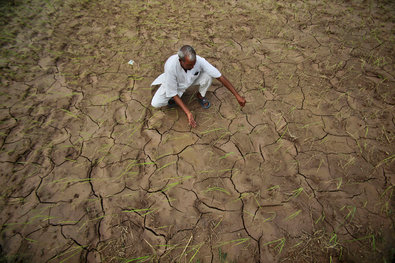
Global warming is one of the most pressing issues confronting humanity today. Its implications reach far beyond rising temperatures and melting ice caps; it fundamentally alters the landscape of our planet, including the extent of arable land available for agricultural purposes. The question that looms large is: will global warming expand or shrink the world’s arable land? This inquiry necessitates a nuanced exploration of climate science, agricultural adaptability, and the socio-economic ramifications of a changing environment.
To comprehend the future of arable land in light of climate change, it is imperative to first define what we mean by “arable land.” This term refers to land that is capable of being plowed and used to grow crops. It encompasses not only soil quality but also the climatic conditions essential for cultivation. The balance of temperature, precipitation, and extreme weather events crucially influences the viability of specific regions for agricultural practices.
The warming of our planet, driven by the accumulation of greenhouse gases, presents a paradox regarding arable land distribution. The general consensus within the scientific community is that climate change will likely yield a dual narrative: while some regions may see expansions in arable land, others will face crippling contractions.
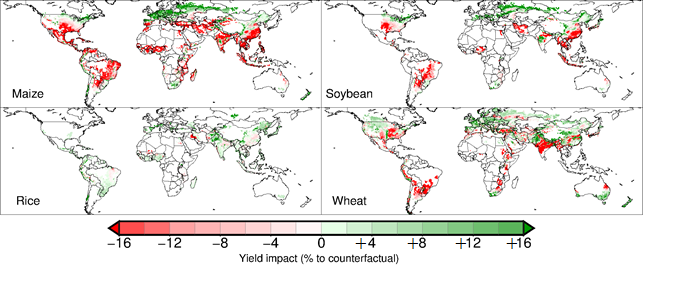
Let us delve into the geographical disparities that are becoming increasingly pronounced as temperatures rise. In northern latitudes, particularly in areas like Canada and Russia, global warming is leading to longer growing seasons. Warmer temperatures facilitate the thawing of permafrost, allowing more land to be utilized for agriculture. In these regions, the prospect of expanding crop production offers a glimmer of hope amid the otherwise bleak scenario presented by climate change.
Conversely, we observe a starkly different narrative unfolding in the tropics. Here, the threat posed by increased temperatures, erratic rainfall patterns, and extreme climatic events like droughts and hurricanes could devastate existing agricultural systems. Sub-Saharan Africa is already witnessing the detrimental effects of climate shifts, where staple crops such as maize and sorghum face declines in yield. Thus, while the northern territories may revel in the prospect of new farmland, the tropics grapple with the potential of significant losses.
So, what factors will govern whether global warming will shrink or expand arable land? Primarily, local and regional climatic variations play an instrumental role. For instance, changes in precipitation patterns will determine the water availability for crops. Areas that become increasingly arid may find that despite having previously viable land, the water scarcity could render it unusable for agriculture. Additionally, soil degradation exacerbated by rising temperatures could undermine the quality of land, leading to decreased agricultural productivity.
Moreover, the presence of invasive species, which thrive in shifting climatic conditions, poses another challenge. As global temperatures elevate, some plants and pests that damage crops will proliferate in formerly inhospitable regions, creating a new set of complications for farmers. Their effects can have far-reaching consequences on the world’s food supply, leading to increased reliance on pesticides, which may have additional environmental repercussions.
The capacity of farmers and agricultural systems to adapt to these changes is vital. Agricultural technology has made significant strides; however, the implementation of advanced techniques is not uniform across the globe. Regions that are economically disadvantaged may struggle to adopt climate-resilient crops or advanced irrigation methods, further widening the gap between nations in terms of food security. Nations that are unable to adapt quickly enough may face dire consequences, exacerbating issues of hunger and poverty.
Policy measures at both local and international levels will significantly influence how global warming impacts agricultural landscapes. Mitigation strategies aimed at reducing carbon emissions can alleviate some of the impacts of climate change. Simultaneously, adaptation strategies—such as crop diversification, improved water management, and sustainable land management practices—could bolster resilience and preserve arable land.
Furthermore, land use policies must evolve to consider the shifting suitability of various regions for agriculture. Enhanced research into crop varieties resistant to extreme weather could also prove instrumental. Collaborative efforts between governments, scientists, and agricultural stakeholders can foster the innovation needed to maintain food production amidst the uncertainties imposed by climate change.
In conclusion, the question of whether global warming will shrink or expand the world’s arable land is complex and multifaceted. While northern territories may stand on the cusp of agricultural expansion, tropical regions are increasingly being jeopardized by climate volatility. The future will largely hinge upon humanity’s ability to adapt to these changes and implement effective policies that prioritize sustainability. In a world where our agricultural landscapes are shifting at an unprecedented rate, understanding and addressing the impacts of climate change has never been more critical. The survival of our agricultural systems—and, by extension, our global population—depends on our collective action and foresight in facing the challenges brought about by a warming planet.






Leave a Comment