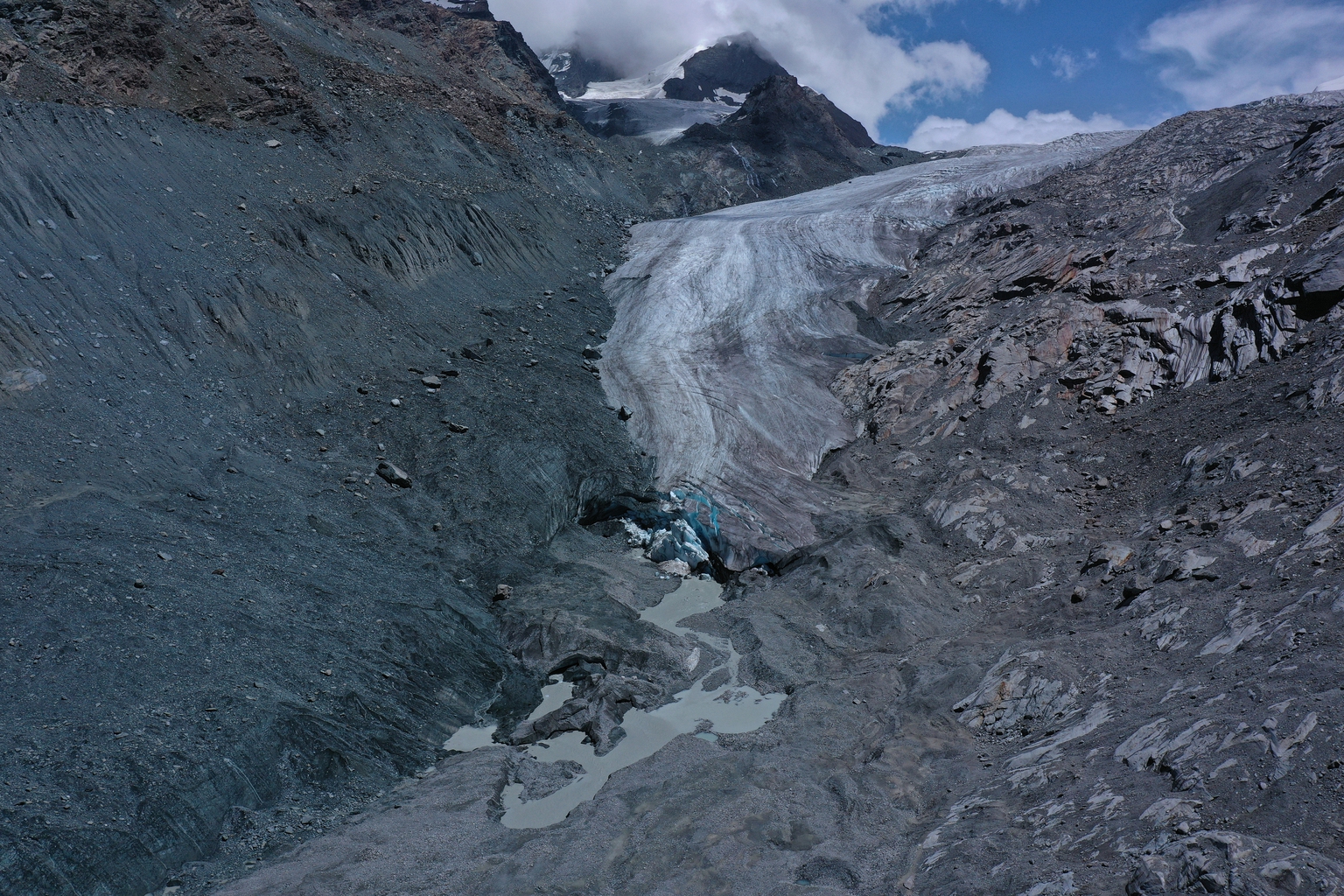
In the majestic realm of the Swiss Alps, where towering peaks kiss the heavens and serene valleys cradle glacial rivers, a silent tragedy is unfolding. Swiss glaciers, the icy sentinels of a bygone era, are succumbing to an inexorable decline, shrinking year after year. This stark transformation echoes a melancholic tale of nature’s vulnerability amidst the relentless march of climate change, a metamorphosis not merely of ice, but of an entire ecosystem teetering on the brink of irrevocable change.
To comprehend the plight of these frozen leviathans, one must grasp the intertwined complexities of climate, geography, and human influence. Glaciers are not static. They are dynamic entities, constantly shifting, pulsating in rhythm with the ambient temperatures and precipitation patterns. The interplay of these elements determines their vitality and longevity. However, as the Earth’s climate warms, it disrupts this delicate equilibrium, transforming crystalline ice into mere memories of their former grandeur.
The narrative of glacial retreat is not a new one; it has been chronicled for decades. Yet, the urgency of the situation has reached an unprecedented precipice. The statistics are stark: Swiss glaciers have dwindled to half their size since 1931. Imagine, for a moment, these magnificent ice giants—once colossal and imposing—now diminished, like fading echoes of an ancient chorus that once filled the valleys. The specter of climate change looms over them, a relentless specter forcing them into a retreat, with a tragic inevitability that haunts every snowfield and summit.
As temperatures rise, the glaciers respond with a silent scream. During summer months, the abundant warmth hastens the phenomenon of melt, a process exacerbated by the increasing frequency of heatwaves. The sun, once a benign source of warmth for these frozen expanses, now acts as an executioner, unrelentingly gnawing at the icy façade. In essence, the alpine regions have become a battleground where the forces of climate are pitted against the enduring spirit of the glaciers. This modern-day siege has left them with dire consequences—receding tongues that no longer flow downstream, but instead, wither in desolation.
The consequential impacts are profound and far-reaching. Glaciers are not merely remnants of ice; they play pivotal roles in the hydrological systems of the regions that cradle them. They act as colossal reservoirs, maintaining river flows during the arid summer months, crucial to both ecological balance and human livelihood. As they recede, the rivers that once surged with vitality now risk becoming trickles, threatening the irrigation of fertile lands and the very sustenance of communities that dwell in their shadows.
The metaphor of the glacier as a water tower of the Alps encapsulates this critical functionality. However, just as a tower that begins to crumble compromises the accessibility of life-giving resources, so too do the shrinking glaciers imperil the ecosystems and human populations reliant upon them. Flora and fauna that flourish in synchrony with the seasonal meltwater now face the specter of drought and habitat loss, a poignant reminder of how deeply interconnected these systems truly are.
But the saga does not conclude with the mere observation of dwindling ice. The perceptible decline illuminates a broader narrative, one rife with human endeavor and responsibility. The emissions of greenhouse gases, propelled by industry, transportation, and agriculture, blanket the Earth in a shroud of warming atmosphere, compelling nature herself to respond. Every increment of temperature rise is a step closer to the threshold beyond which glaciers can no longer withstand the onslaught of heat.
Furthermore, the allure of tourism in these resplendent landscapes inadvertently accelerates their demise. Each footprint on the snow-capped terrain bears a weight beyond that of mere human presence. Ski resorts, infrastructure, and increased urbanization impose stresses on the delicate environment that, cumulatively, exacerbate the already dire situation. The allure of the mountains draws visitors to witness their grandeur, yet this very influx leaves an ecological footprint that accelerates the ambitions of climate change.
In this intricate tapestry of cause and effect, the trepidation of the glacial retreat resonates as a clarion call for awareness and action. The future of Switzerland’s glaciers—much like the glaciers themselves—hangs in a precarious balance. There exists an urgent need to pivot towards sustainable practices. Innovating methods tailored to mitigate carbon emissions is paramount, as is the persistence of conservation efforts aimed at preserving these natural wonders.
Reflecting on this dynamic, the shrinking Swiss glaciers serve as a poignant metaphor for our time: a testament to the impermanence of existence, the fragility of nature, and the moral imperative to take action against climate change. As custodian stewards of the environment, society stands at a crossroads, faced with choices that will inevitably define not only the landscape of the Alps but the health of our planet as a whole.
In conclusion, the decline of Swiss glaciers is not merely a local phenomenon but part of a global narrative unfolding across polar regions and mountain ranges worldwide. Their shrinking silhouettes beckon for our attention, urging us to foster a relationship with nature that embraces stewardship over exploitation. The ice, once a symbol of resilience, now serves as a poignant reminder of the urgency propelling climate action—an imperative that transcends borders and generations, requiring every individual to engage in this monumental struggle for preservation, understanding that the fate of the glaciers rests effortlessly in our hands.




Leave a Comment