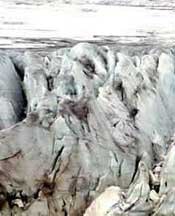
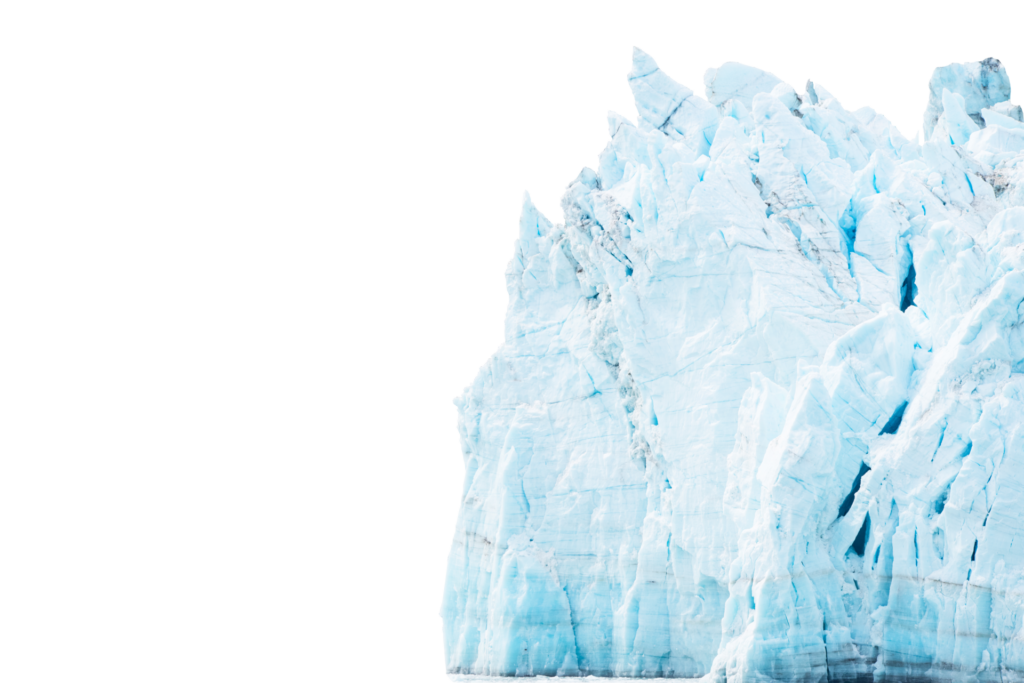
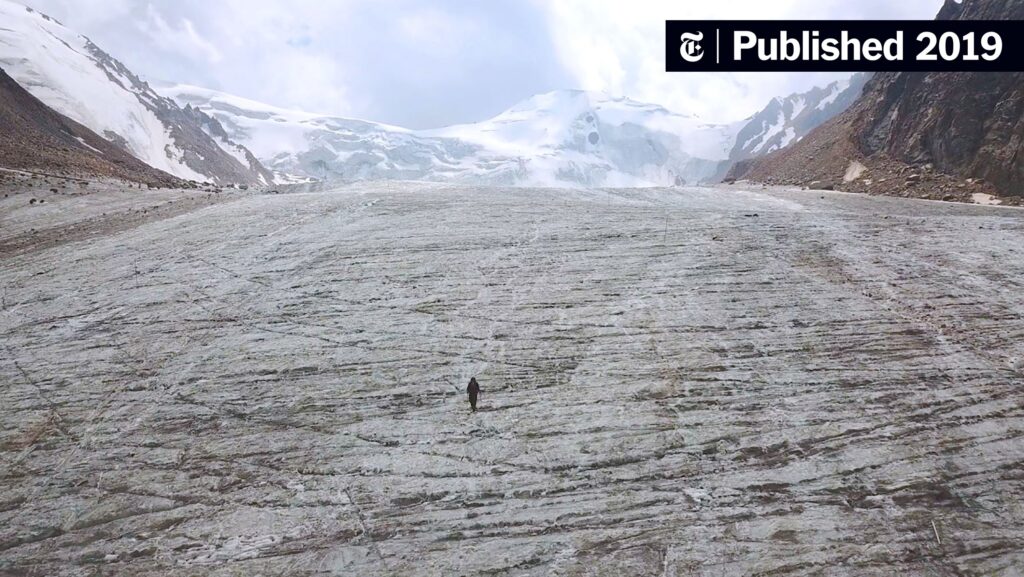
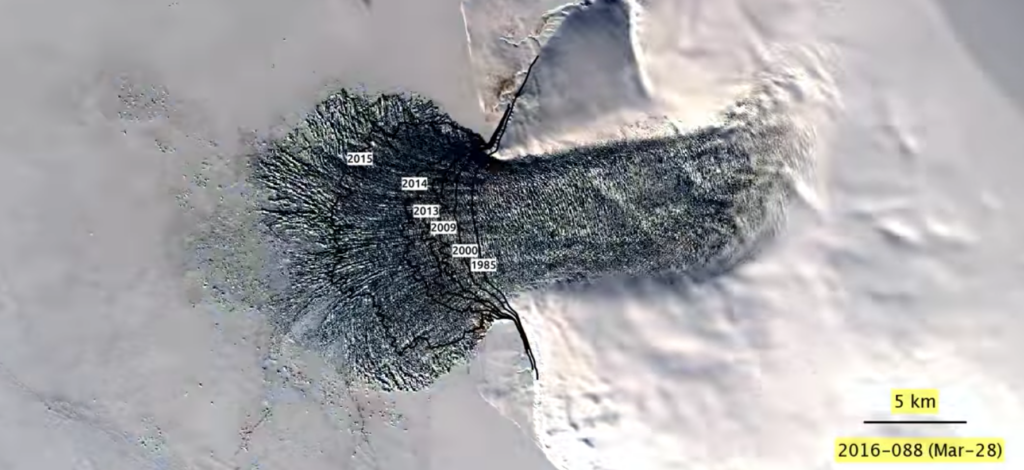
As the sun rises higher each year, illuminating a changing landscape, a somber reality unfolds before us: the glaciers that once adorned the rugged heights of Europe are retreating at an alarming rate. This phenomenon, while often seen merely as a captivating natural spectacle, harbors profound implications for the continent’s rivers and the ecosystems that depend on them.
Glaciers, those immense rivers of ice, act as natural reservoirs that store freshwater and slowly release it, sustaining rivers and their tributaries throughout the warmer months. As winter fades and the seasons shift, the thawing of glaciers provides a steady flow of water, ensuring that rivers remain vibrant and nourishing. However, with the unrelenting rise in global temperatures, these glaciers are rapidly losing mass. This transformation not only affects the immediate landscapes but also poses significant threats to the hydrology of Europe’s rivers.
One of the most pressing concerns stemming from the melting glaciers is the alteration of seasonal water availability. Traditionally, glaciers have acted as a buffer against drought, releasing water gradually during the summer months. With their diminishment, rivers that once flowed robustly in the summer are now facing fluctuating levels. This cyclical unpredictability can lead to severe consequences for agriculture, drinking water supply, and hydroelectric power generation. In places like the Alps, farmers who have relied on consistent water flow for irrigation now find themselves grappling with erratic river levels that threaten crop yields.
Simultaneously, the sudden influx of meltwater poses its own set of challenges. As temperatures rise, glaciers not only retreat but also accelerate their melting, resulting in short-term spikes in river flows. This surge can lead to catastrophic flooding, overwhelming riverbanks and disrupting local ecosystems. The familiar scenes of picturesque streams morph into torrents capable of devastating towns, habitats, and farmland. Floods of such proportions not only jeopardize human settlements but disrupt the delicate balance of flora and fauna dependent on steady water levels.
Moreover, the quality of water is increasingly becoming a concern as glaciers melt. The sediment and minerals that are released during glacial melt can significantly alter the chemical composition of rivers. These changes can have detrimental effects on aquatic life, ranging from struggling fish populations to the decline of waterfowl that rely on these habitats. The introduction of various pollutants, often trapped within the glaciers’ ice, complicates the matter further, diminishing the quality of drinking water for millions of people in downstream communities.
The repercussions of glacier melt also reverberate beyond the immediate hydrological effects. The ecosystems that thrive along these rivers are intricately connected to the seasonal rhythms dictated by glacial melt. Changes in water temperature and flow patterns disrupt breeding cycles for essential species, such as salmon, which depend on specific conditions for spawning. This disruption not only threatens biodiversity but impacts entire food webs – triggering a cascade of effects that can collapse intricate ecosystems.
Furthermore, the socio-economic ramifications of glacial melt are equally profound. Communities that have existed in harmony with their environment for generations face the existential threat of dwindling water resources. Touristic regions, heavily reliant on glaciers for their aesthetic value and winter sports, may see a decline in visitors. The very ice that drew these crowds is vanishing, leaving local economies scrambling to adapt. The tangible fear that surrounds these changes is palpable, shifting the landscape of livelihoods and cultural identities across regions.
While the plight of melting glaciers and their effects on rivers can seem daunting, it also serves as a rallying cry for urgent environmental action. Intervening in this crisis requires a multifaceted approach—an integration of climate science, policy reforms, and community engagement. The very act of conserving remaining glaciers through climate mitigation strategies goes beyond protecting a landscape; it becomes a noble endeavor aimed at preserving the lifeblood of rivers and the myriad life forms that depend on them.
In conclusion, the retreat of Europe’s glaciers embodies a microcosm of the broader climate crisis. Their ongoing disappearance threatens not just the physical environment but the intricate tapestry of life that entwines human beings with nature. As we inch closer to a future where glacial presence is but a memory, it is incumbent upon us to act. Embracing resiliency, advocating for sustainable practices, and fostering a profound respect for our natural world can help mitigate the consequences of melting glaciers. After all, the rivers of Europe—those fluid veins of life—merit our unwavering commitment to their vitality and health.




Leave a Comment