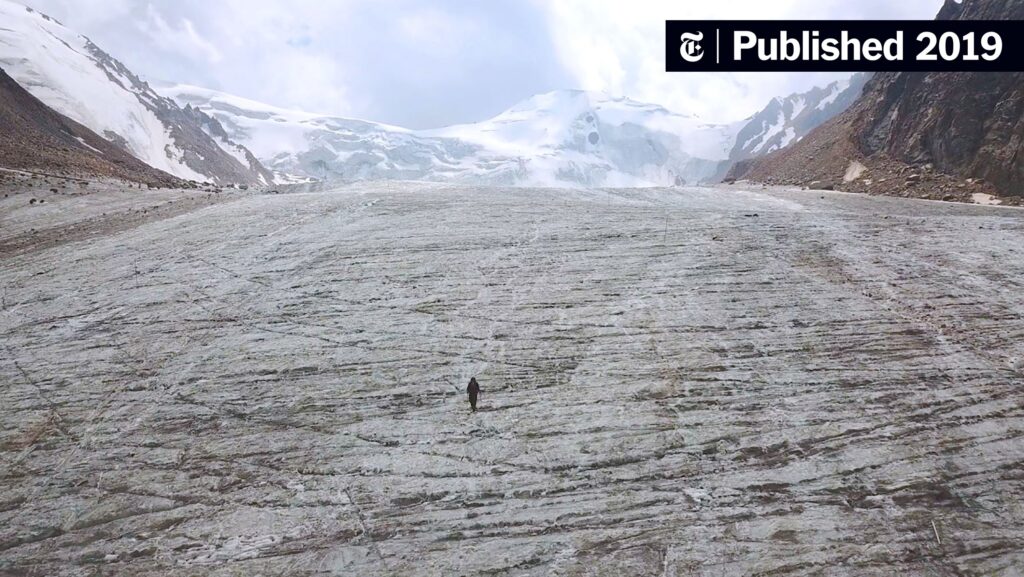
When one gazes upon the majestic glaciers of our world, it is akin to beholding ancient sentinels, silently witnessing the relentless march of time. These formidable ice formations, once emblematic of nature’s grandeur, have become harbingers of a troubling reality—one that reveals the profound impact humans have on their existence. The desolate cries of receding glaciers serve as a stark reminder of our stewardship over the planet, and recent studies suggest that our footprints have left an indelible mark on these colossal ice masses.
Glaciers, composed primarily of compacted snow, act as natural reservoirs, reflecting the climatic conditions of centuries past. They embody the earth’s ability to maintain a delicate equilibrium. However, in the 21st century, this equilibrium is increasingly disrupted. The primary culprit of this crisis is none other than anthropogenic climate change—a beast wrought by industrialization, deforestation, and unsustainable practices. It is as if humanity has donned the role of both creator and destroyer, crafting a vibrant tapestry of civilization while simultaneously unraveling the very threads of Earth’s natural fabric.
To comprehend the extent of human culpability, one must first explore the intricate relationship between greenhouse gas emissions and global warming. The combustion of fossil fuels, deforestation, and agricultural practices generate copious amounts of carbon dioxide, methane, and nitrous oxide, shrouding the planet in a thick veil of heat-retaining gases. This phenomenon enhances the greenhouse effect, exacerbating global temperatures. As the atmosphere heats, glaciers across the globe, from the Arctic to the Andes, respond by shedding their icy coats at an alarming rate, like weary giants succumbing to the relentless advance of a fiery horde.
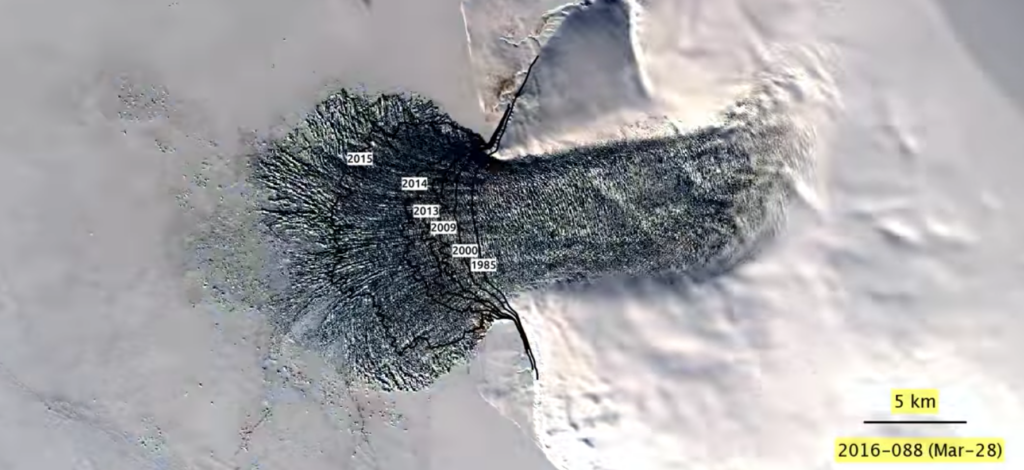
The data speaks volumes. Scientific analyses indicate that glaciers are losing mass in unprecedented quantities. According to recent satellite observations, glaciers have shrunk by more than 30 percent since the late 20th century. This decline is not merely a statistic; it bears profound implications for global sea levels, freshwater availability, and ecosystems dependent on glacial runoff. With every ton of ice that slips into the ocean, the delicate equilibrium of coastal communities and terrestrial flora and fauna is threatened—a poignant reminder of the interconnectedness of our existence.
Moreover, the melting glaciers precipitate a cascade of ecological ramifications. Many species, that have co-evolved with glacial ecosystems, find themselves in existential peril. As glaciers retreat, habitats that once thrived amidst the icy expanse are rendered uninhabitable. The intricate networks of life that depend on glacial meltwater for sustenance, such as fish populations navigating alpine streams, are jeopardized. Thus, the melting of glaciers transcends mere ice; it is a warning bell for an entire biosphere teetering on the brink of collapse.
The plight of the glaciers is compounded by the social inequities embedded within climate change. Vulnerable communities residing in the shadow of these icy giants, often in developing nations, bear the brunt of the consequences. As glaciers recede, freshwater supplies dwindle, prompting water scarcity and conflict over dwindling resources. This alarming reality underscores the urgent need for a carbon-neutral future, one that encompasses both environmental and social justice. For the narrative of glacier melt is, ultimately, a tale of human disparity—where the actions of a few ripple through the lives of many.
In light of these overwhelming challenges, we must take a moment to reflect on our capacity for change. Humans possess a remarkable ability to innovate, adapt, and reclaim their place as caretakers of the Earth. Renewables, such as solar and wind energy, present viable alternatives to fossil fuels, enabling a sustainable future. By investing in green technologies and implementing stringent policy measures, we can begin to reverse the trajectory of glacier melt and restore the majesty of these natural wonders.
However, the pursuit of a solution extends beyond technological advancements and political mandates. It necessitates a profound shift in consciousness, urging individuals to recognize their role as stewards of the environment. Every plastic bottle, every carbon-emitting vehicle, every instance of consumerism plays a part in this saga. Individual and collective actions, no matter how insignificant they may appear, contribute to or mitigate the repercussions of glacier melt. Advocacy for sustainable practices, education about the implications of climate change, and grassroot movements are essential—tying together the fragmented pieces of an intricate puzzle.
Consequently, as one bears witness to the somber narrative of vanishing glaciers, it becomes critical to acknowledge the role of humanity in this phenomenon. We are not passive observers but active participants in the fate of the Earth. The glaciers, now melting at an alarming rate, serve as both a warning and a call to action. They beckon us to reconsider our choices, reassess our impact, and forge a collective path toward restoration. If we can embrace this responsibility with urgency, persistence, and empathy, perhaps we can turn the tide of this narrative and foster a renewed relationship with our planet—one grounded in respect and reverence for the intricate ballet of nature.
As we contemplate the future, let us remember that for every glacier lost, there lies the potential to regain equilibrium. The challenge is formidable, but within the human spirit resides an extraordinary capacity for resilience. The glaciers are not merely geological features; they are symbols of our interconnectedness and a potent reminder of what is at stake. To honor them is to cherish our own existence—one that is inextricably linked to the fate of the glaciers, and indeed, the Earth itself.




Leave a Comment