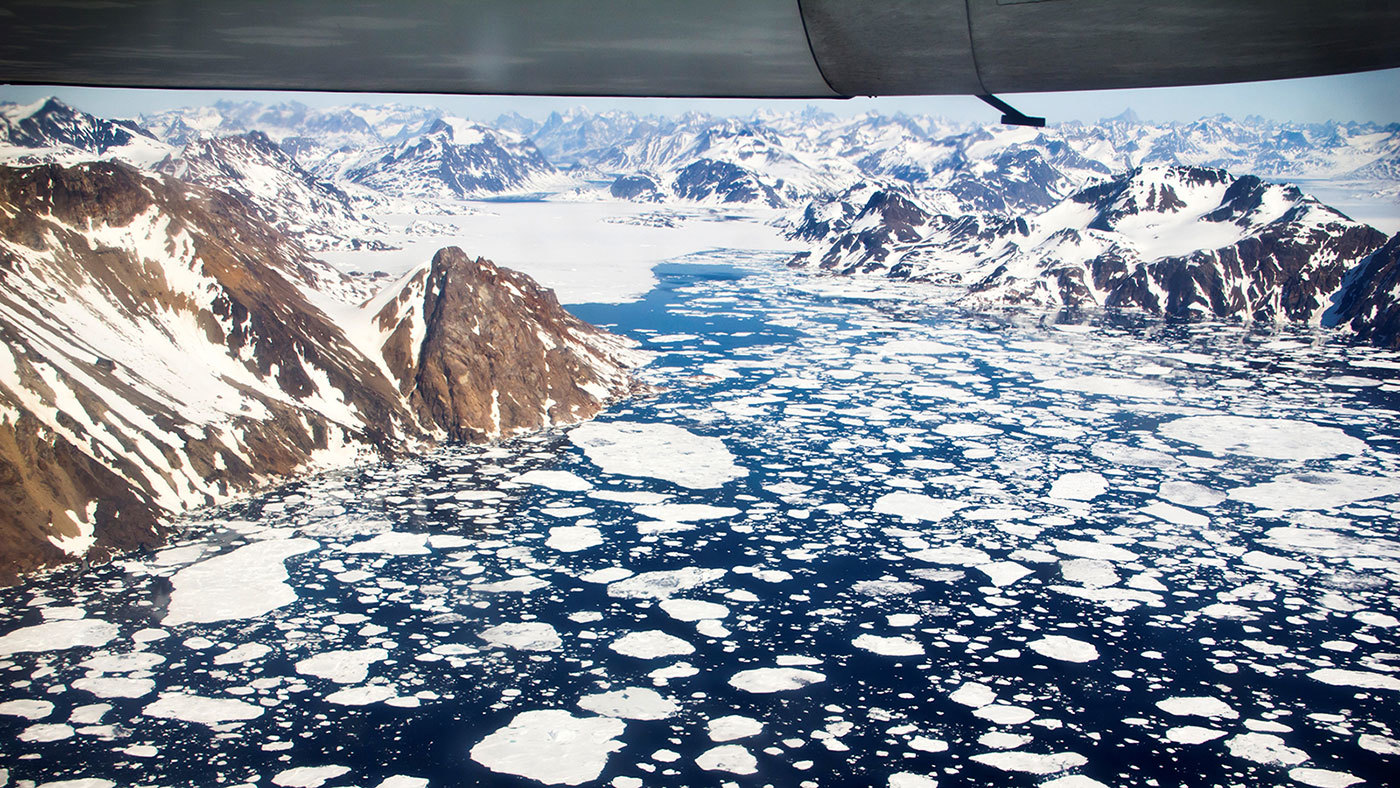
Over recent decades, the world has witnessed alarming transformations in its polar regions, particularly in Greenland and Antarctica. These regions, once deemed stable, are now melting at an astonishing rate—six times faster than in the 1990s. This phenomenon invites a profound exploration into the underlying causes, consequences, and implications of glacier retreat and its profound impact on global sea levels and climate.
1. Climate Change: The Primary Culprit
The most significant driver behind the accelerated melting of glaciers in Greenland and Antarctica is anthropogenic climate change. As greenhouse gas emissions surge, they contribute to the Earth’s warming atmosphere. This rise in temperature is not uniform; polar regions are experiencing an increase at a rate nearly double that of the global average. The polar amplification phenomenon means that what was once a stabilizing cold environment has turned into a melting pot of instability.
In addition to atmospheric warming, ocean temperatures are also rising. Warmer oceans play a substantial role in melting glaciers from below, undermining their structural integrity. The combined effect of atmospheric and oceanic warming leads to a conducive environment for glacier retreat, setting off a feedback loop that further exacerbates the situation.
2. Ice Dynamics and Structure
To comprehend why glaciers are melting so rapidly, it is crucial to consider their physical dynamics. Glaciers are not static bodies of ice; they are incredibly complex systems influenced by flow dynamics, temperatures, and pressure. During the summer months, surface melt creates rivers that flow over the glacier, leading to increased penetration of warm water into the ice. This process results in enhanced melt rates, particularly in areas where the ice meets the ocean.
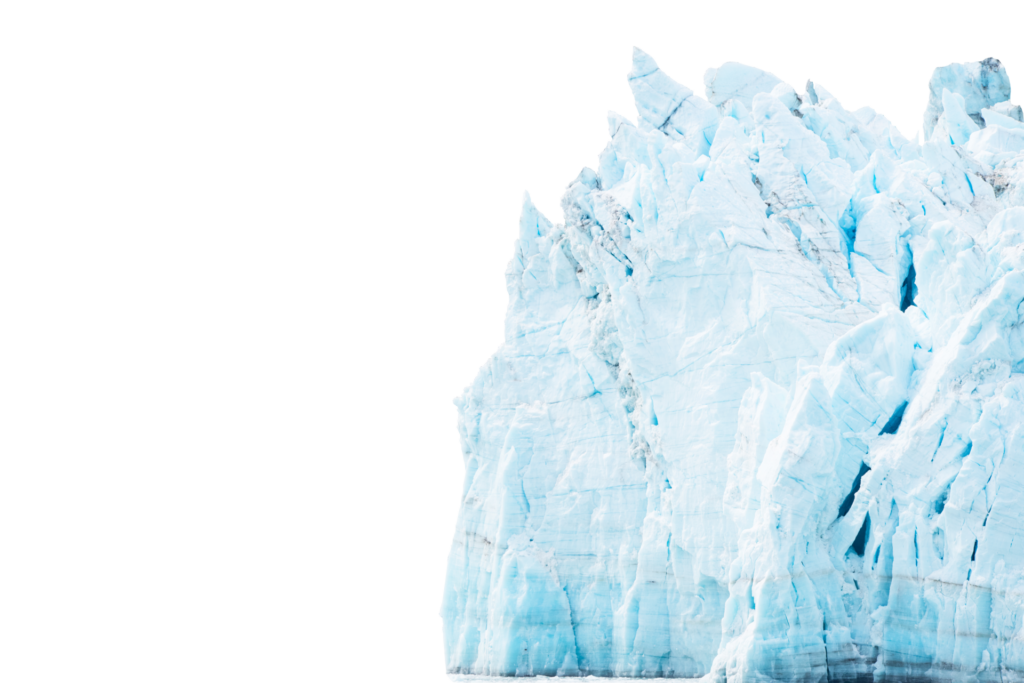
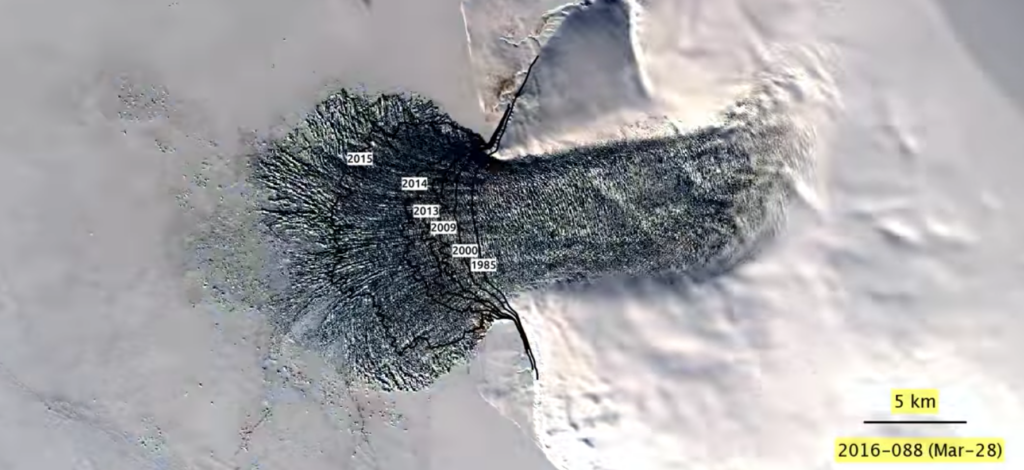
Furthermore, certain glaciers display a phenomenon known as “ice shelf collapse,” where sections of ice detach due to structural weakening. The loss of ice shelves can accelerate the flow of inland ice toward the sea. The retreat of glaciers in this manner is profound, as it opens up areas previously protected, allowing further melting to occur.
3. The Role of Atmospheric Conditions
A multitude of atmospheric conditions also plays a crucial role in the accelerated melting of ice masses. Changes in wind patterns, combined with increased frequency and intensity of extreme weather events, mean that heat is transferred more efficiently from the ocean to the ice surface. Additionally, events like atmospheric rivers, which bring moist, warm air into polar regions, have been linked to episodic melting events, exacerbating the ice loss during critical periods.
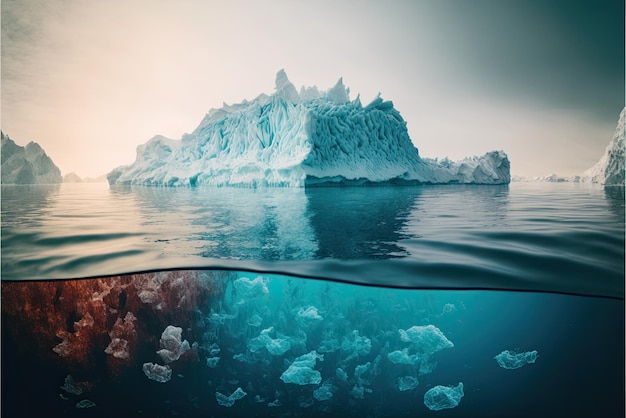
In conjunction with these factors, the phenomenon of ‘darkening ice’ contributes significantly to accelerated melting. Contaminants such as soot, dust, and microplastics reduce the albedo effect—the ability of ice to reflect sunlight. As the ice becomes darker, it absorbs more solar radiation, further increasing melting rates.
4. The Implications for Global Sea Levels
The implications of the rapid melting of these glaciers are dire. Greenland and Antarctica together hold enough ice to raise global sea levels by over 60 meters if fully melted. Currently, scientists estimate that the glaciers are contributing approximately 0.5 millimeters to sea level rise each year, a number that could drastically increase if the trends continue. Coastal regions should brace for heightened flooding events, worsened storm surges, and the eventual displacement of populations.
Critical cities such as Miami, New Orleans, and various island nations face existential threats due to rising sea levels. It is not merely an environmental concern; it is a socioeconomic emergency that demands immediate attention and action from global leaders.
5. Ecological and Biodiversity Concerns
The melting of glaciers does not exist in isolation; it carries far-reaching consequences for biodiversity. As ice retreats, the ecosystems that depend on stable ice conditions—such as polar bears, seals, and numerous marine species—are forced to adapt rapidly or face extinction. Changes in the marine food web can also ripple through ecological systems, affecting species distribution and abundance in unpredictable ways.
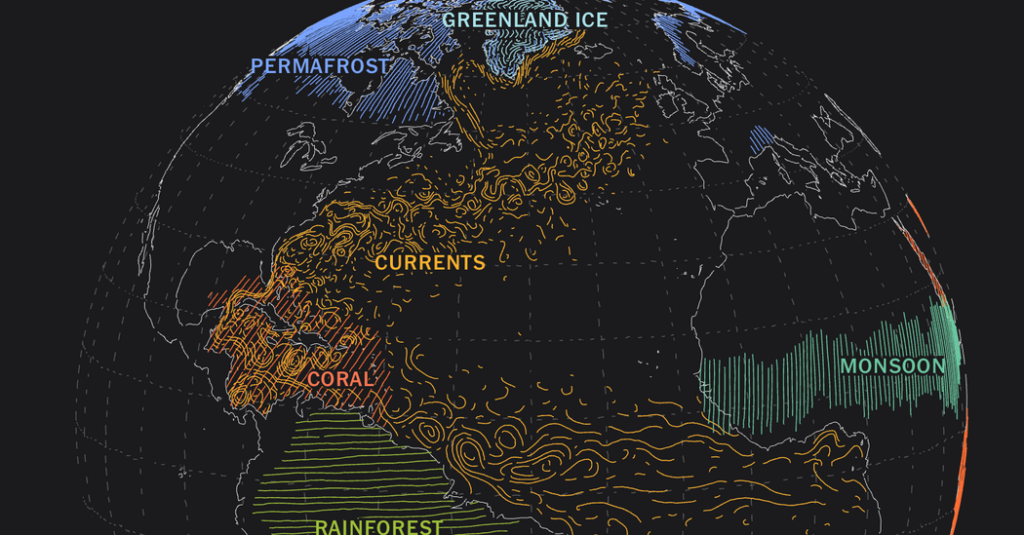
In addition, the influx of freshwater from melting glaciers can disrupt marine currents and salinity levels, further complicating the ecological landscape. This is not solely an issue of environmental degradation; it is a clarion call to protect vulnerable species that inhabit these polar ecosystems, striving to maintain biodiversity in an increasingly compromised habitat.
6. Mitigation Strategies and Future Outlook
Addressing the accelerating glacier melt requires a multifaceted approach. International cooperation is crucial, as climate change is a borderless crisis. Strategies should focus on drastically reducing greenhouse gas emissions through a transition to renewable energy sources, enhancing energy efficiency, and promoting sustainable practices in agriculture and industry.
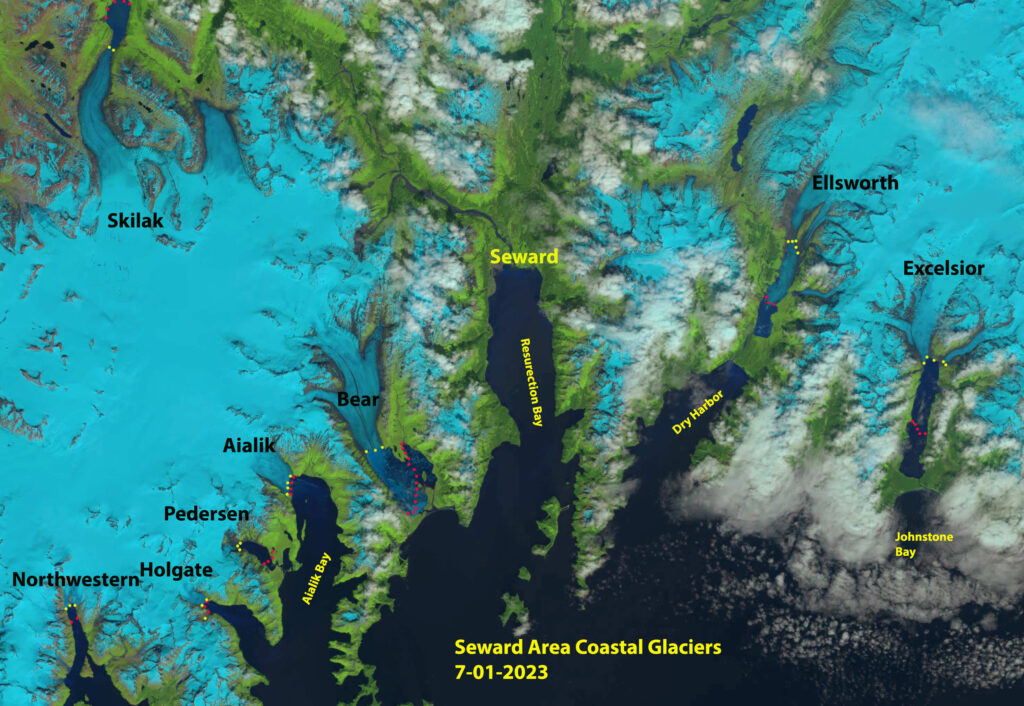
In addition to reduction strategies, adaptation measures will be paramount for communities at risk. Investments in resilient infrastructure, improved coastal defenses, and proactive planning can mitigate some of the consequences already set in motion by climate change. The use of technology, such as satellite monitoring to track glacier health, will be vital in predicting future trends.
The narrative of rapid glacier melt is intertwined with our collective future. Individual actions, community initiatives, and global commitments can coalesce to curb this trend and foster a sustainable relationship with our planet. The time for awareness and action is now, as the ice begins to slip away into the ocean’s embrace.




Leave a Comment