
In the ethereal tapestry of our planet’s existence, where every thread interlaces harmoniously to sustain life, the specter of global warming emerges as a malign force. Yet, it is rarely framed within the context of pollution, which is paradoxical considering the interdependent nature of these phenomena. If pollution is the insidious villain casting shadows over humanity’s health and ecosystems, global warming is the tempestuous antagonist threatening to unravel the very fabric of our climate. This composition seeks to unravel the reasons why global warming is neglected as a pollution problem and elucidate the imperative for reframing it as such.
The prevailing narrative often distinguishes between pollution and climate change, with each being portrayed as disparate entities. Pollution is depicted as the immediate, tangible foe—smoggy skies, choking air, and the detritus clogging our waterways. Conversely, global warming is relegated to a conceptual abstraction, a slow-burn crisis lurking at the periphery of public consciousness. This differentiation is akin to observing the bark of a tree while ignoring the expansive roots beneath. To combat global warming effectively, one must understand its roots, which are deeply entangled with pollution.
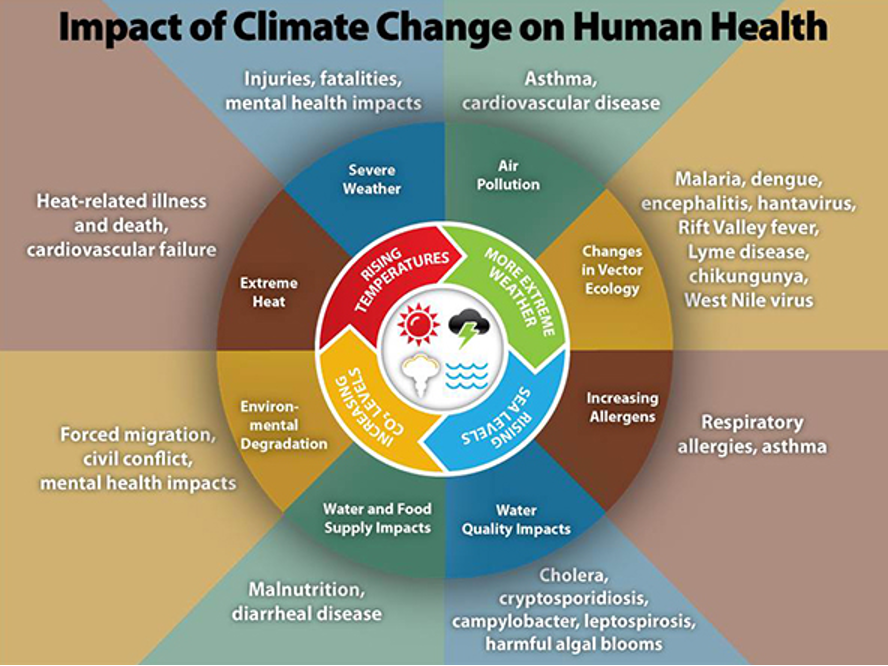
Pollution, in its various forms—be it air, water, or soil—acts as the catalyst for the metamorphosis of our climate. Fossil fuels, a primary source of energy for industrialized nations, not only emit noxious substances into the atmosphere but also release vast quantities of greenhouse gases. This dual assault affects biodiversity, health, and, ultimately, the stability of our climate systems. Yet, the discourse surrounding these dualities remains fragmented. How often do discourse chains link the carbon emissions spewing from power plants to the increasingly erratic weather patterns that plague our communities?
The current societal lens through which we view climate change often eschews the overarching principle of pollution. This lens is fogged by a multi-faceted tapestry of political agendas, economic interests, and a nebulous lack of understanding among the public. By relegating global warming to a separate category, we missed out on harnessing the potent metaphor of pollution as poison—a toxic cocktail that feeds the climate crisis. When one confronts pollution as poison, it beckons a visceral reaction, nudging humanity into immediate action rather than the distant, abstract concerns labeled as global warming.
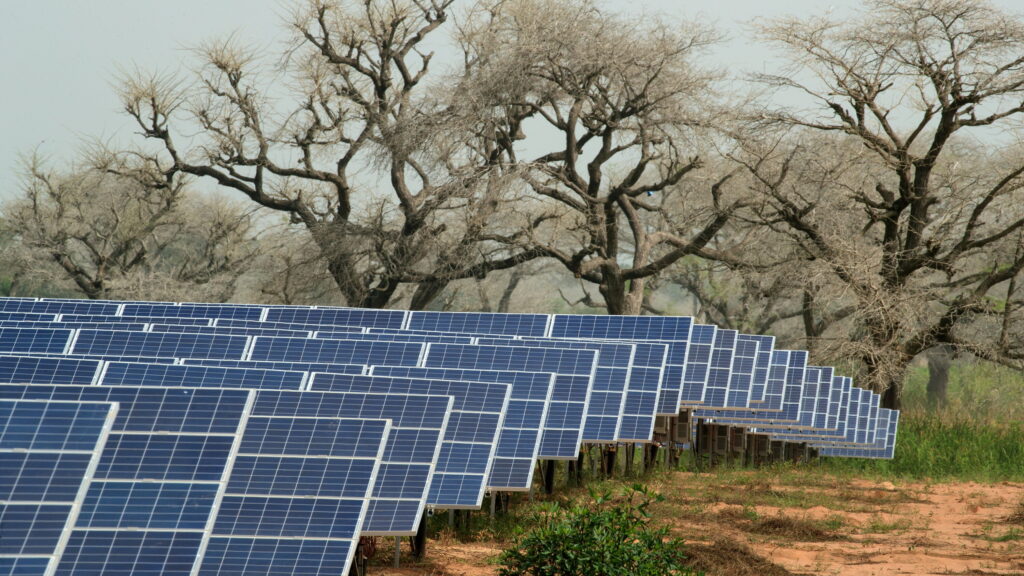
Moreover, viewing global warming solely as a climatic dilemma diminishes the urgency necessary to gather diverse coalitions toward resolution. Articulating it as a pollution crisis facilitates an understanding that the solutions can be synergistic, not mutually exclusive. Transitioning to renewable energy sources, enhancing energy efficiency, and enforcing stricter regulations on emissions can simultaneously marry anti-pollution efforts with climate change mitigation. Thus, addressing pollution becomes a proverbial two-for-one, echoing the sentiment that sustainability doesn’t merely fragment our objectives; it unifies them.
Research shows that the most grievous impacts of climate change are disproportionately felt by marginalized communities, many of which already bear the weight of pollution-related illnesses. The interplay between social justice and environmental degradation compels a reframing of global warming back into the pollution discourse—the distribution of environmental harms mirrors the inequities of broader societal structures. When environmental policies are meticulously designed, they risk repeating historical injustices unless integrated with comprehensive environmental justice frameworks. Such trust in equitable solutions bolsters a communal resolve that is quintessential for securing global commitment to combating these intertwined crises.
It’s worth considering the language we employ when delineating these issues. “Climate change” has, at times, become a euphemism for the dire realities we face. More vigilant language—terms like “climate catastrophe”—evoke necessary urgency. Words matter; they shape perception and inform action. Emphasizing the insidious connection between pollution and climate could lead to dramatic shifts in how communities perceive and respond to both issues. The call to salvage our planet is more poignant when one acknowledges that the pollutants we release into our atmosphere today will have cascading repercussions, painting a dismal future for generations yet unborn.
Therein lies an opportunity for narrative storytelling—a vehicle capable of bridging the abstract with the tangible. Personal stories of individuals agonized by health crises linked to polluted air can anchor the abstract complexities of global warming in the concrete reality of lived experiences. When the tale of pollution is told as a deeply personal saga, it transforms into a clarion call—an entreaty for action, for systemic change fueled by individual stories of resilience.
Ultimately, the urgency to reframe global warming as a pollution problem is incandescent; it urges a broader recognition of the dynamic interplay between human activity and our planet’s enduring health. Navigating a future freed from the chains of our nefarious practices demands an acute awareness that global warming is not merely a consequence but rather a byproduct of our collective failure to recognize pollution as a predatory force upon our life systems. To enact sustainable change, the narrative must turn towards restoration and rejuvenation, built on the foundation of understanding the intricate connections between pollution and climate change. Until we weave these themes into a cohesive tapestry, humanity remains in peril, drifting along a precipice that beckons us to awareness and action.






Leave a Comment