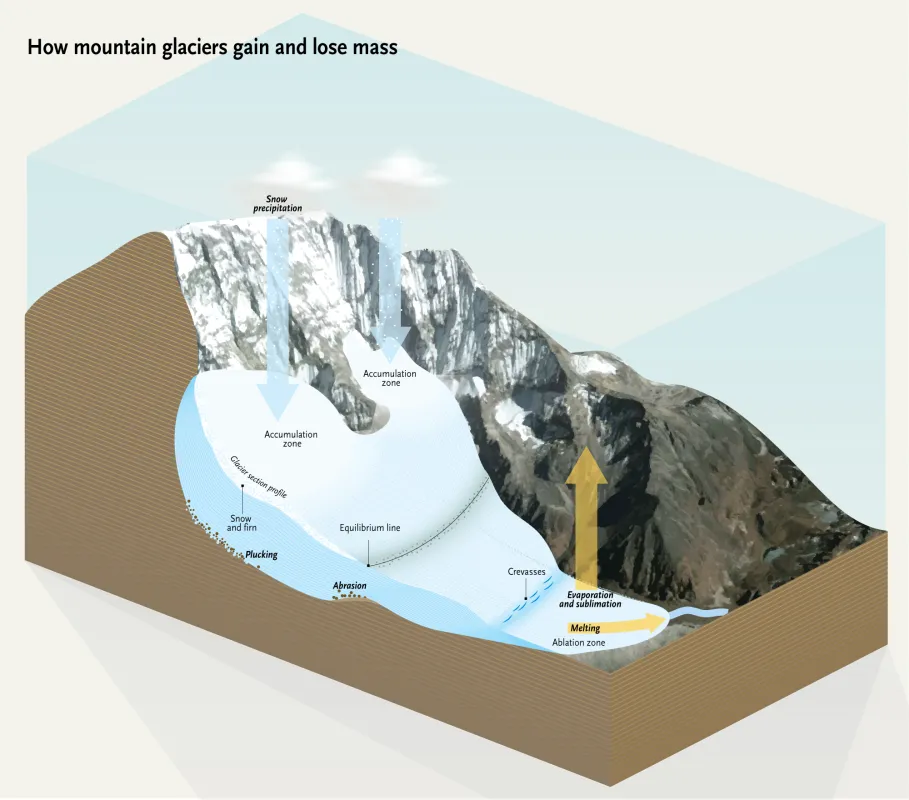
Glaciers are often dismissed as mere frozen water, gigantic yet static masses that seem frozen in time. However, beneath their icy veneer lies a complex tapestry of environmental significance and vital ecological functions that stretch far beyond their majestic appearances. Understanding why glaciers matter is crucial for grasping the broader implications for our planet’s health, climate stability, and biodiversity.
First and foremost, glaciers are indispensable freshwater reservoirs. They store approximately 69% of the world’s freshwater, acting as natural banks that release meltwater slowly into rivers and streams. For millions of people who depend on glacial melt for drinking water, agriculture, and energy, the health of these ice giants is paramount. Regions like the Himalayas, the Andes, and the Alps rely on the predictable seasonal melt from glaciers, which sustains life during arid months. When glaciers retreat due to rising temperatures, the consequences ripple outwards—water shortages set in, agriculture falters, and whole communities face existential threats. The stark reality is that, as glaciers diminish, so does the reliability of water resources for billions worldwide.
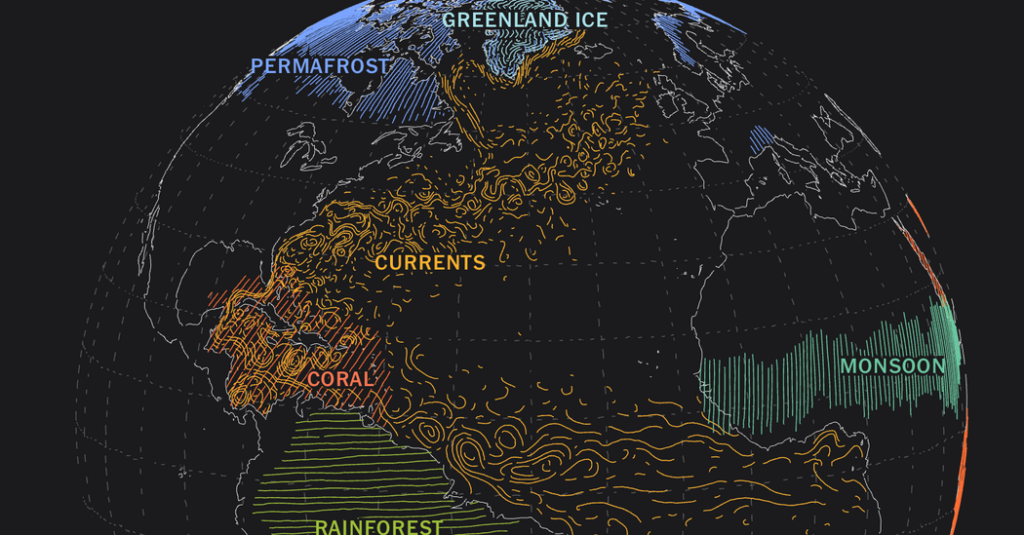
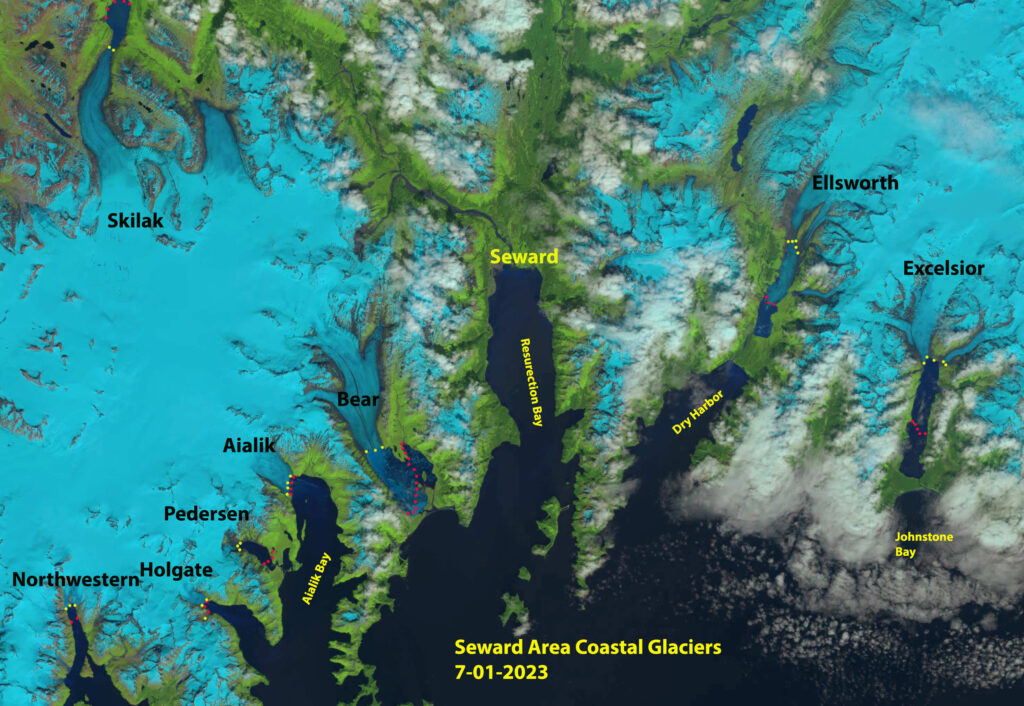
Moreover, glaciers are vital indicators of our planet’s climatic health. They respond sensitively to changes in temperature and precipitation, making them invaluable barometers for climate scientists. Their gradual retreat is a glaring signal of global warming and the consequences of anthropogenic influences. When significant ice mass is lost, the implications transcend regional boundaries, affecting global sea levels. Predictions indicate that as glaciers continue to melt, they are likely to contribute to rising oceans that threaten coastal cities and ecosystems. This interconnectedness elucidates why glaciers are not merely local phenomena but are crucial to understanding global climatic shifts.
The ecological significance of glaciers extends beyond mere hydrological contributions. Glacial landscapes foster unique ecosystems that harbor diverse flora and fauna adapted to these harsh environments. The presence of glaciers creates microhabitats that, although inhospitable, offer niches for specialized species. For instance, moss and lichen thrive in these cold conditions, while various birds and mammals like snow leopards and ice worms are intricately tied to glacial ecosystems. The disappearance of glaciers would not only erase these unique habitats but could also lead to the extinction of species that rely on them. Thus, glaciers serve as critical bastions of biodiversity, warranting our protection and reverence.
Additionally, glaciers hold cultural and historical significance for many indigenous communities and cultures around the globe. For these groups, glaciers are not just geographic features; they embody sacred stories, traditional practices, and a wealth of ancestral knowledge. The melting of glaciers symbolizes the loss of cultural heritage and identity, as sacred sites recede into history. As custodians of their lands, indigenous peoples often have profound insights into climate change and environmental stewardship, reinforcing the need for inclusive policies that respect their voices and empower their engagement in conservation efforts.
Furthermore, glaciers play a pivotal role in moderating global temperatures. Through a process known as albedo effect, the reflective quality of ice and snow helps regulate the Earth’s temperature by reflecting solar radiation back into the atmosphere. As glaciers recede, darker surfaces such as rock and water are exposed, absorbing more heat and accelerating the warming process. This vicious cycle exacerbates climate change, driving further glacial retreat and ultimately jeopardizing our planet’s delicate climatic balance.
Moreover, glaciers have significant geological implications. The processes of glacier formation, movement, and erosion shape landscapes over millennia. They carve out valleys, create fjords, and deposit rich mineral sediments that feed into river systems. Not only do glaciers contribute to geomorphology, but they are also crucial in shaping the Earth’s geological history. The study of glacial geology reveals critical insights into past climate conditions, offering valuable information that can inform future climate projections. Understanding these geological processes can also enhance our resilience in the face of natural disasters, as the shifting landscapes influence water flow, sedimentation, and even seismic activity.
It is also pertinent to recognize the socio-political dimensions surrounding glaciers. Water conflicts, heightened by the impacts of climate change, bring to light the tensions between nations that share glacial waters. As glaciers recede, competition for dwindling water resources intensifies, leading to potential geopolitical strife. The reality of shared waterways underscores the necessity for international cooperation and effective governance to manage these vital resources equitably, protecting not only the ecosystems but also human livelihoods that depend on them.
In conclusion, glaciers are far more than colossal chunks of ice; they are critical components of our planet’s ecosystem. Their retreat signals serious threats to water security, biodiversity, cultural heritage, and climate stability. Protecting our glaciers is a pressing responsibility, one that necessitates a global commitment to addressing climate change, conserving biodiversity, and safeguarding freshwater resources. By championing the plight of glaciers, we not only advocate for these majestic giants but also for the multitude of life forms and communities intertwined with their existence. It is imperative to recognize that within the icy depths of glaciers lies a wealth of interconnectedness, reminding us that our actions today will reverberate through the fabric of life on Earth for generations to come.




Leave a Comment