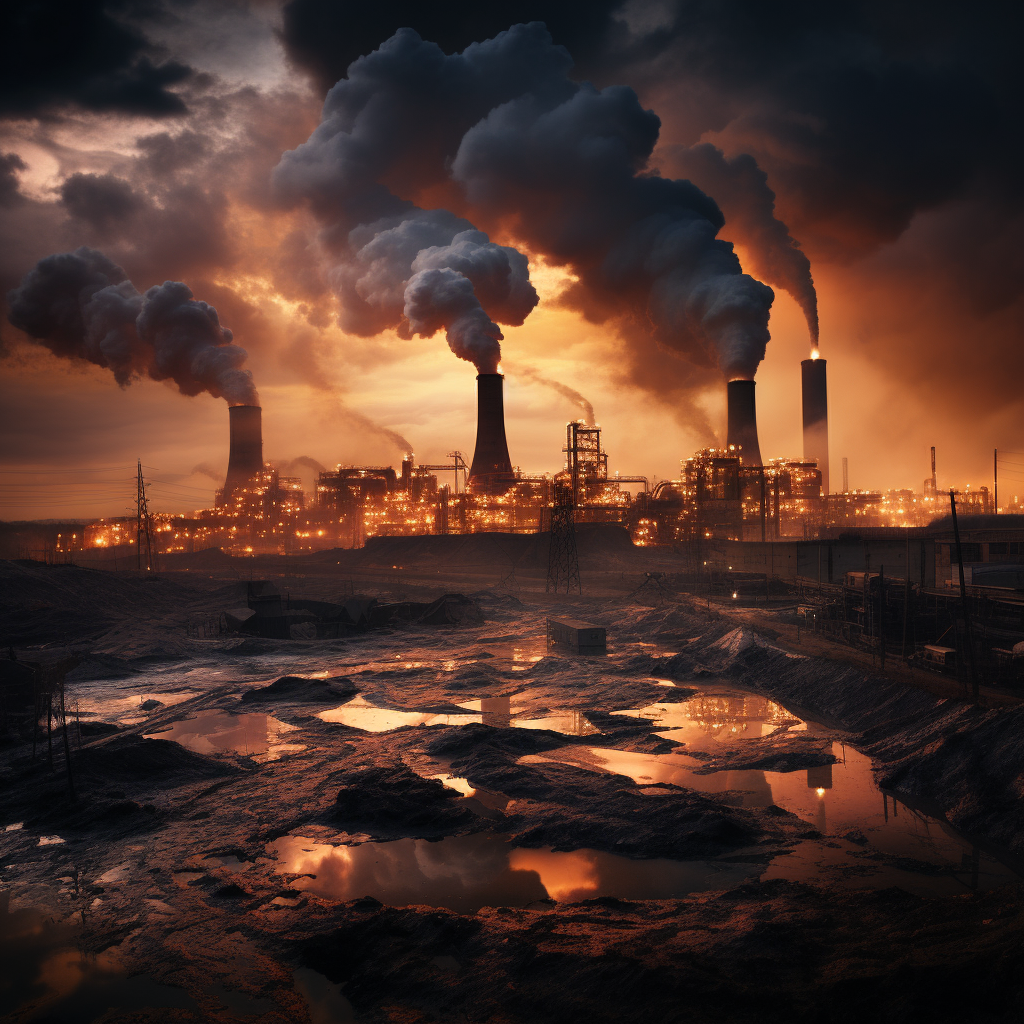
When fossil fuels are burned, a series of intricate processes unfold, generating a significant amount of heat energy. This phenomenon not only serves as a primary source of energy for countless human activities but also has profound implications for our environment. Understanding where this heat goes is essential for grasping the broader effects of fossil fuel consumption on our planet.
To appreciate the journey of heat emanating from fossil fuel combustion, we must first delve into the combustion process itself. When fossil fuels—coal, oil, or natural gas—are ignited, they undergo a chemical transformation. The hydrocarbons present in these fuels react with oxygen, producing carbon dioxide, water vapor, and an array of other byproducts. This reaction is exothermic, meaning it releases considerable amounts of energy in the form of heat.
The immediate consequence of this released heat is a rise in temperature in the vicinity of the combustion site. In power plants, for instance, coal is combusted to create steam, which drives turbines to generate electricity. Here, the released thermal energy is harnessed for productive purposes, illustrating one of the advantages of fossil fuel consumption: it provides a reliable source of energy. However, this heat is merely the initial step in a much larger cycle.
As the heat disperses into the atmosphere, we must contemplate its fate beyond the power plant. The warm air created by combustion rises, contributing to the formation of convection currents. This phenomenon is particularly important in urban environments, where heat islands can emerge. Such areas experience higher temperatures than their rural counterparts due, in large part, to human activities fueled by fossil energy.
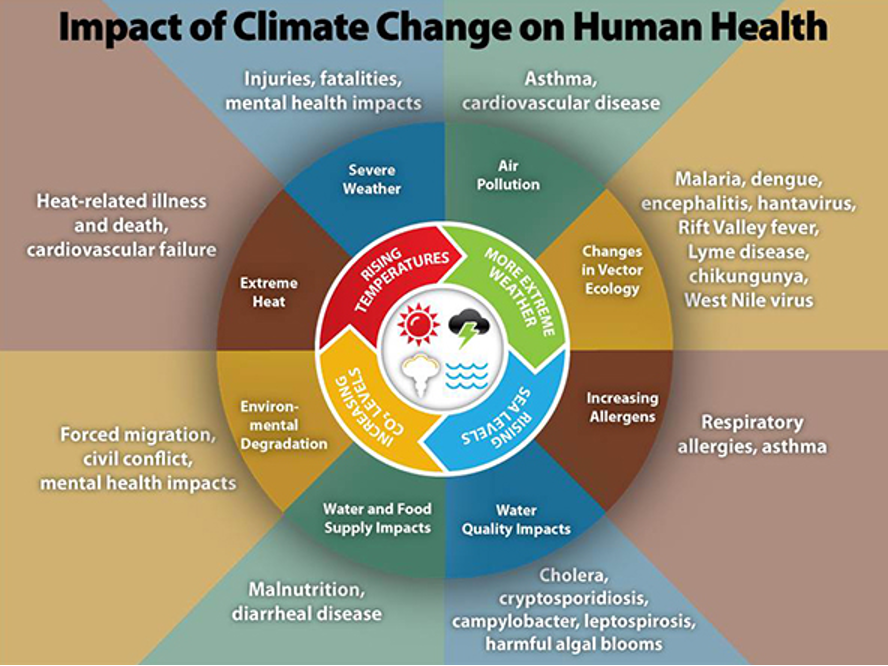
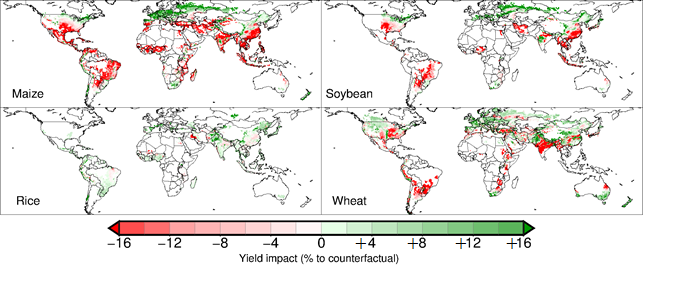
Beyond direct thermal impacts, the heat generated from burning fossil fuels contributes significantly to global warming. The carbon dioxide produced during combustion is known to trap heat in the atmosphere. This greenhouse gas effect is a critical factor driving climate change, causing worldwide temperature rises. The excess heat notonly influences weather patterns but also affects ecosystems, contributing to habitat loss, species extinction, and challenges in food production.
Yet, it is essential to consider what happens to this heat on a local scale. In residential areas, heating systems often rely on fossil fuels. During winter, many homes burn natural gas or oil to create warmth. The heat escapes through windows, doors, and other cracks, leading to substantial energy loss. Consequently, the environmental impact escalates as more fossil fuels are burned to maintain comfortable temperatures, perpetuating a cycle of consumption.
In industrial settings, heat management becomes critical. Industries often generate excess heat through processes that are not entirely efficient. This wasted thermal energy usually dissipates into the environment or requires additional measures for disposal. Thus, energy recovery systems, such as combined heat and power (CHP), have become increasingly relevant. By capturing and reusing wasted heat, industries can improve their efficiency and reduce their reliance on fossil fuels.
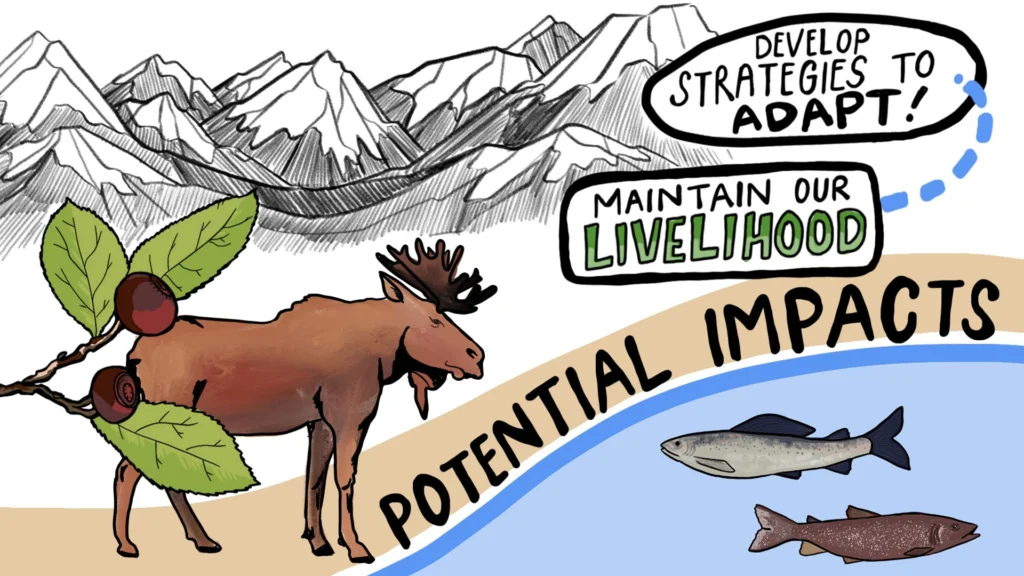
Moreover, the geographical dispersion of heat plays a significant role in ecological dynamics. The urban heat created by burning fossil fuels can cause localized weather anomalies, influencing precipitation levels and even impacting local biodiversity. Areas surrounding major cities often face altered microclimates, leading to shifts in plant and animal populations, affecting food webs and ecological interactions.
Further complicating the discussion of heat from fossil fuel combustion is its contribution to atmospheric conditions. The release of pollutants, including nitrogen oxides and sulfur dioxides, results in the formation of smog and acid rain. These pollutants not only degrade air quality but also lead to localized heating effects. The interplay between heat and airborne contaminants culminates in adverse health effects and contributes to environmental degradation.
Understanding the heat dispersion from fossil fuels also necessitates a discussion of time scales. The immediate effects of combustion are observable in temperature changes and energy outputs. However, the long-term consequences are more insidious. The heat trapped by greenhouse gases can linger in the atmosphere for decades or even centuries, exacerbating climate change and providing significant inertia in global temperature increases. This lag complicates mitigation strategies, as the effects of today’s fossil fuel consumption will echo for generations.
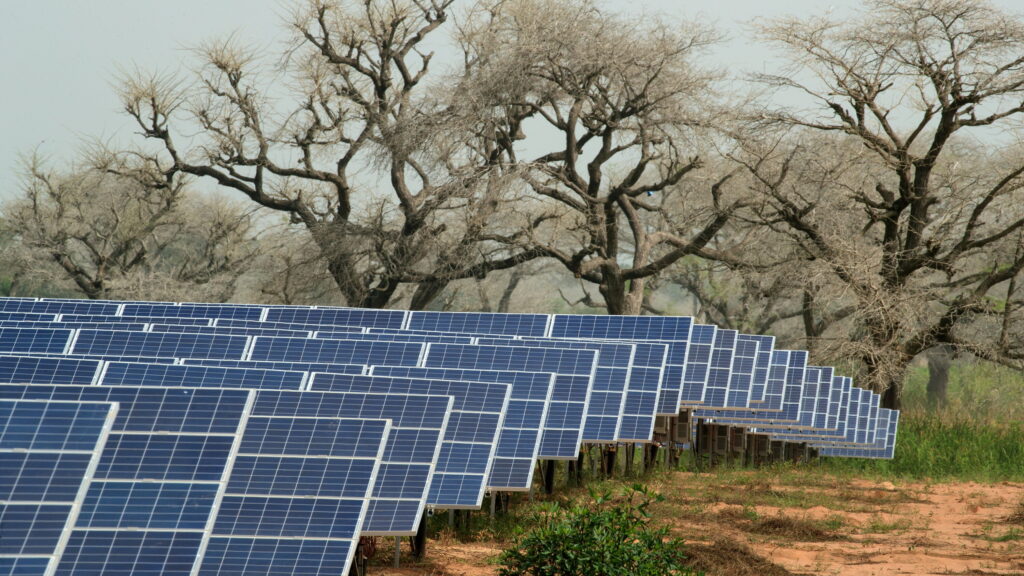
As we evaluate the journey of heat after fossil fuel combustion, it is imperative to consider alternatives. Renewable energy sources such as solar, wind, and hydroelectric power offer viable solutions to reduce our reliance on fossil fuels. These sources, unlike fossil fuels, do not produce harmful heat or pollutants upon energy generation. Transitioning towards more sustainable energy practices can significantly mitigate the heat impacts on both local and global scales.
The complex relationship between fossil fuel combustion and heat dispersion invites a deeper examination of our energy practices. This exploration reveals not only the energy’s immediate utility but also its broader ramifications for the planet. As we navigate the challenges of climate change and environmental degradation, a comprehensive understanding of “where the heat goes” becomes not just academic but essential for fostering a sustainable future.






Leave a Comment