Throughout the tapestry of Earth’s climatic history, glaciers have played a pivotal role as both barometers and transformative forces of nature. They encapsulate millennia of climatic ethos, serving as the vast refrigerators of the planet. Their slow, majestic movements carve landscapes and create ecosystems, but their recent retreat casts a shadow on the horizon, signaling not merely a physical transformation but an alarming shift in our planetary health.
The saga of glacier melting began far earlier than most might recognize. The last glacial maximum, a period during which vast expanses of North America and Europe were cloaked in ice, occurred around 20,000 years ago. During this epoch, the Earth found itself under a blanket of snow and ice that dominated the topography. This formidable icy veneer acted like a temporal capsule, preserving the climate records of eras long vanished from the collective memory of humankind.
As the climate began to warm approximately 17,000 years ago, tiny tremors of change set forth a historical cascade. Gradually, the glaciers, once regarded as the eternal guardians of the cold, began to relinquish their omnipotent grip. By 10,000 years ago, melting glaciers initiated the onset of the Holocene epoch, a time of significant climatic stabilization and the emergence of human civilization. It was during this age that a curious symbiosis unfolded: our ancestors flourished alongside the retreating ice, learning to adapt to the rhythms of a warming world.
Fast forward to the mid-19th century, when the industrial revolution unfurled its wings, unleashing a torrent of changes into the atmosphere. The year 1850 marked the birth of a new understanding of these ice masses. A French engineer and physicist, Louis Agassiz, championed the idea that glaciers were not merely remnants of a bygone era but dynamic entities in their own right, responsive to environmental shifts. His investigations into the Swiss Alps ignited a scientific curiosity regarding glacier dynamics, establishing a legacy of research that still resonates today.
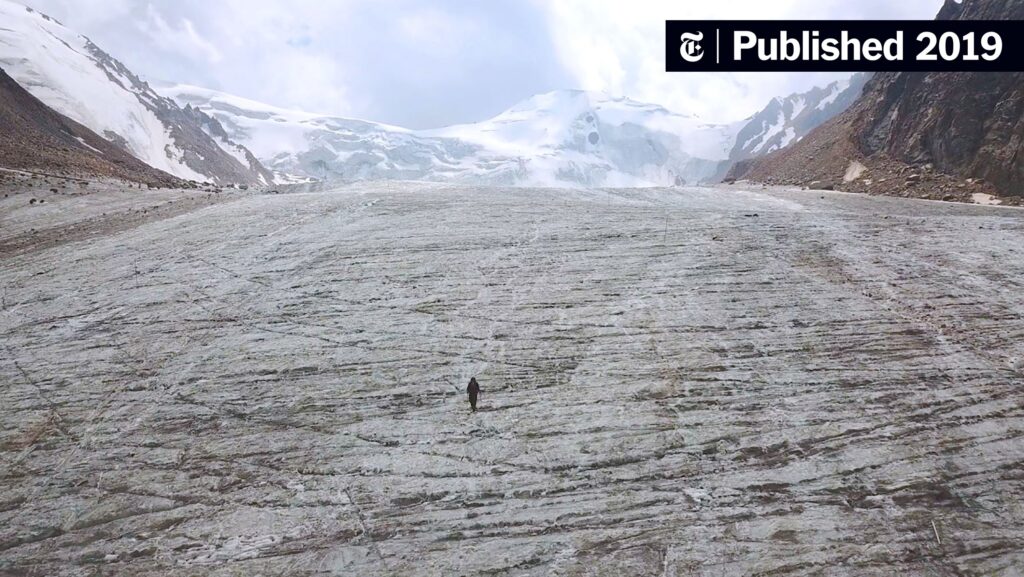
As the century progressed into the 1900s, the early ripple effects of climate change became increasingly evident. By 1941, as captured in the historical imagery of glaciers, the icy giants were visibly receding. The photograph of this time starkly illustrates the dichotomy between past and present—a hyper-real reflection of the unrelenting passage of time. This moment in history serves as an emblematic waypoint illustrating the intersection of human progress and environmental decline.
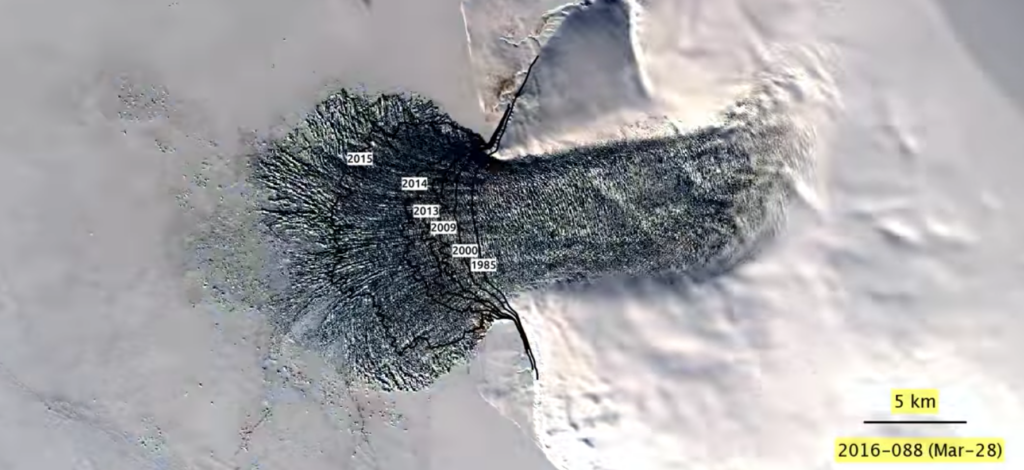
Following World War II, the acceleration of industrialization introduced a myriad of unprecedented challenges, catalyzing the demise of many glaciers worldwide. By the 1970s, scientific studies were delving into satellite imagery and advanced geology to grasp the unsettling changes unfolding beneath the suns of an increasingly warm planet. The phenomena observed in the Andes, Rockies, and across the Arctic were stark warnings—an Arctic ice cap that once transformed the very essence of a region was fracturing, with calving events becoming more common as the thermodynamic balance of the planet tilted in favor of warmer temperatures.
In the late 20th century, the understanding of glaciers transcended simple observation; they became harbingers of global climate change. The International Panel on Climate Change (IPCC) established a clearer narrative trajectory in 2007—a narrative that coupled glacier melt with rising sea levels and altered weather patterns. The Leap of faith into the realm of anthropogenic influence had begun to permeate public consciousness, making waves beyond academic circles and into the heart of global civic discourse.
The 21st century, in many ways, has been defined by this juxtaposition of grandeur and fragility—the glaciers, once titans of time, now stand at risk as they shed their icy personas. Expected tipping points were reached by 2010, prompting concerted international efforts to understand and mitigate the further loss of these invaluable resources. In places like Greenland and Antarctica, ice sheet dynamics have illustrated a tragic truth: melting glaciers are no longer merely scientific phenomena but heralds of climate displacement affecting millions around the globe.
However, amidst these shadows of despair, innovation has shone through. The dialogue surrounding glaciers has inspired grassroots movements, community-led initiatives, and ambitious proposals for climate mitigation technologies. As glaciers continue their melancholic retreat, their story unfurls an opportunity for collective awareness and action. The glaciers, though diminished, manifest as resilient teachers in this planetary saga, continuously urging humankind to re-evaluate its relationship with nature.
As we stand at this crossroads of climate history, it becomes essential to advocate for preservation and restoration. The legacy of the glaciers is not solely their physical presence but their capacity to reflect our choices—to serve as mirrors of our actions. The timeline of glacier melting speaks a language of urgency, beckoning humanity to act before the remaining ice fades into memory. Let us see the glaciers not as mere geographical features but as essential elements of our shared ecosystem, alluring yet perilously fragile. The question lingers: when did glaciers start melting? More importantly, how will we respond to their diminishing cries, and what legacy will we beckon for future generations?




Leave a Comment