
The phenomenon of global warming has long been a subject of anguish and awe. As the world grapples with the ramifications of human-induced climate change, the scientific community finds itself questioning a critical aspect of environmental stability: the thermal maximum of current global warming. This exploration unveils not only the precarious balance of our planet but also the intricate tapestry of interactions that dictate climate patterns.
To understand the thermal maximum, we must first delve into the concept of thermal energy and its relationship with atmospheric conditions. Generally speaking, thermal energy refers to the internal energy present within a system due to the kinetic energy of its molecules. The Earth’s climate system is an exquisite orchestra in which the atmosphere, oceans, land surfaces, and ice caps all play pivotal roles. Each element contributes to and responds to shifts in thermal conditions, weaving a complex narrative of cause and effect.
As the Earth’s surface temperature escalates, so does the urgency with which we must confront the thermal maximum. Empirical data indicate a rise in global average temperatures, currently estimated at around 1.2 degrees Celsius above pre-industrial levels. This seemingly innocuous figure belies an intricate web of consequences that reverberate across ecosystems and human societies alike. The linearity of temperature increases suggests a dangerously simplistic view of our climatic reality. What lurks beneath the surface is a chaotic interplay of feedback loops that amplify warming trends and bring us ever closer to a thermal threshold.
The thermal maximum serves as an alarming benchmark, signifying a point where the Earth’s systems face profound stress. As we inch closer to this critical juncture, several factors aggravate the situation. Positive feedback mechanisms—including the melting of polar ice caps, deforestation, and the thawing of permafrost—release vast stores of greenhouse gases trapped within these natural systems. As ice melts, the Earth’s albedo diminishes, causing it to absorb more solar radiation. This compounding effect intensifies warming, illustrating how fragile our ecological balance truly is.
The science surrounding the thermal maximum offers a sobering perspective. Paleoclimate data shed light on historical periods of extreme heat and CO2 concentrations. Eocene Epoch warming, for instance, exposed how ecosystems reacted to elevated greenhouse gas levels, with lasting impacts on biodiversity. As we peer into the past, it becomes evident that we are not entering uncharted territory. Instead, we are accelerating towards a future reminiscent of previous thermal maxima that wrought havoc on life forms and habitats.
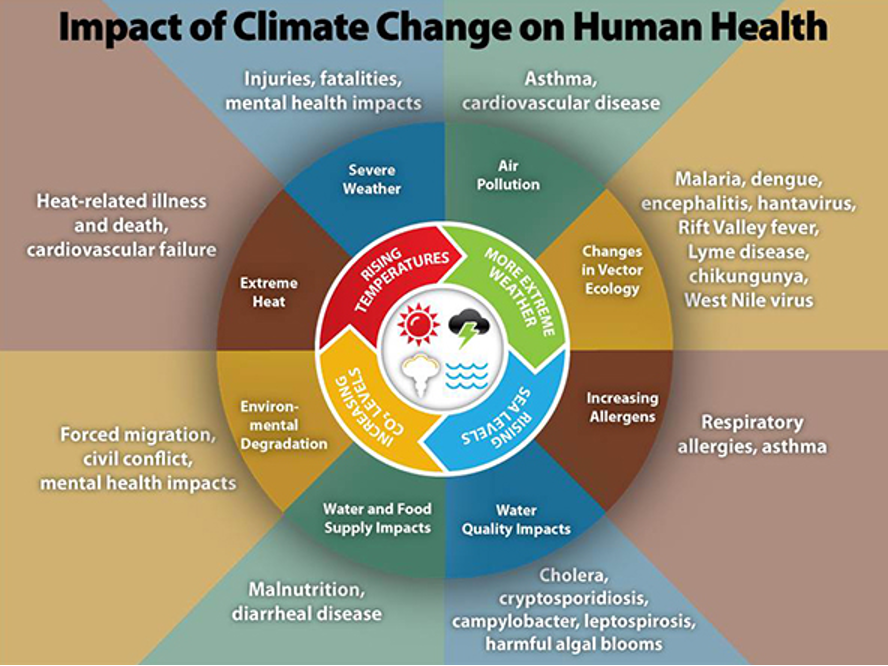
A common observation arises amidst these findings: the climate crisis often seems abstract and distant. Yet, the stark reality is that its repercussions are imminent. Communities across the globe are already witnessing the harrowing consequences of rising temperatures—from intensified hurricanes and prolonged droughts to expansive wildfires and habitat loss. These events are not mere statistical anomalies; they herald the onset of a new climatic era, one defined by instability and unpredictability. Human lives—and ecosystems—hang precariously in the balance.
Engaging with the idea of a thermal maximum challenges our perceptions of responsibility and action. Scientific models project varying trajectories depending on our collective choices today. The Intergovernmental Panel on Climate Change (IPCC) asserts that mitigating warming to 1.5 degrees Celsius requires unprecedented reductions in greenhouse gas emissions. The tenacity of industries reliant on fossil fuels and the inertia of political will create an environment rife with contradictions. How can societies rally together to confront an invisible foe when the costs of inaction are often painted in abstract economic terms?
Moreover, the socio-economic dimensions of climate change complicate the pursuit of tangible solutions. Vulnerable populations—often those least responsible for emissions—bear the brunt of climate crises. The disparities in resources and technology create palpable tension in global negotiations. As countries grapple with adaptation strategies, the notion of climate justice emerges. It questions why those who contributed the least to the crisis should bear the heaviest burdens of its fallout.
On a broader scale, the thermal maximum signifies more than a numerical value; it encapsulates our relationship with the planet. People are often captivated by nature’s beauty—lush forests, sweeping mountains, and vast oceans. However, this appreciation risks turning into a perilous disconnect, as humanity’s encroachment on natural systems becomes increasingly blatant. To genuinely engage with the idea of the thermal maximum is to acknowledge that human activities are the catalyst for this alarming trajectory.
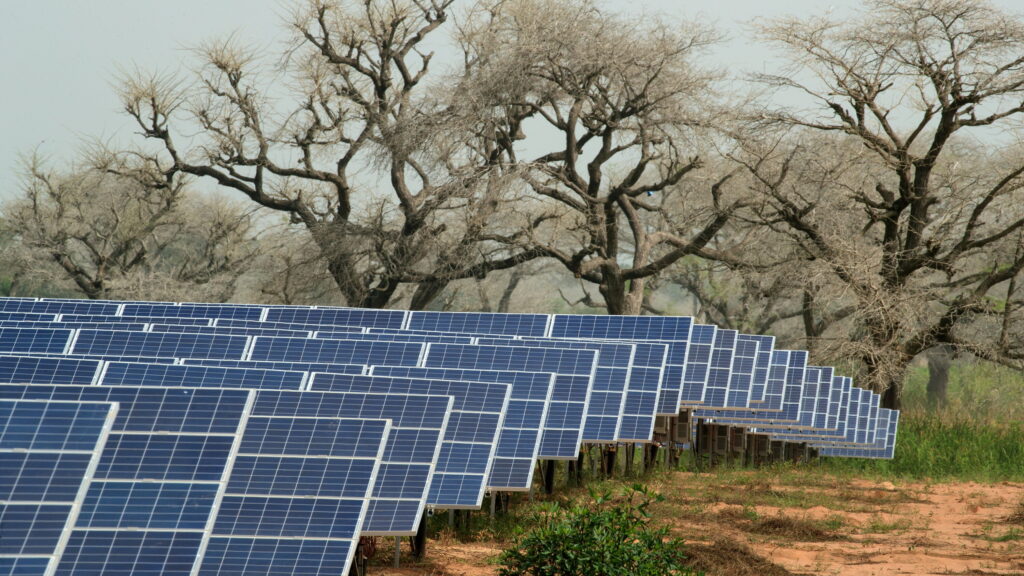
The collective effort to address global warming must transcend simplistic solutions. It necessitates a paradigm shift—a re-examination of our values and priorities. Preserving biodiversity, transitioning towards renewable energy, and promoting sustainable practices are not merely altruistic ideals; they are imperative for survival. The complexities of climate dynamics demand that we approach the crisis holistically, unraveling the intricate interdependencies that define our world.
As we contemplate the thermal maximum of current global warming, let us remember that we stand at a crossroads. The paths we choose today will shape the landscape of tomorrow. Ignoring the warnings of science is tantamount to jeopardizing our future, for the whispers of climate change may soon echo as deafening cries. Thus, it falls upon us to engage, educate, and advocate—a collective charge with the power to alter the trajectory of our planet’s future.






Leave a Comment