
The phenomenon of global warming stands as a daunting specter, lurking on the horizon like a tempestuous storm, gradually evolving into one of humanity’s most pressing existential threats. Defined as the long-term warming of the planet due to an increase in greenhouse gases, it is not merely a fleeting temperature rise but rather a profound metamorphosis that grips our Earth with merciless hands. As we pierce through the fog of information, we discover that the ramifications of this phenomenon are as varied as they are perilous. The most dangerous impacts of global warming cascade down like an avalanche, threatening to reshape our world irreversibly.
To comprehend the enormity of global warming, one must first unravel the tapestry of its causes. The primary perpetrator is the amplification of greenhouse gases, most notably carbon dioxide and methane, which trap heat in the Earth’s atmosphere. This entrapment is akin to a blanket—initially providing warmth but ultimately suffocating its wearer. Human activities, particularly the burning of fossil fuels, deforestation, and industrial processes, have exacerbated this affliction. Climate change understands no borders; it infiltrates all corners of the globe, leaving no society untouched.
As we delve deeper, the first harbinger of global warming’s treacherous impacts is the inexorable rise in sea levels. Glacial ice, once a majestic staple of our polar landscapes, is now melting at an alarming rate, contributing to the encroachment of oceans upon our coastal communities. Imagine the symbolism of a rising tide—what was once solid ground transforming into a watery grave for homes, livelihoods, and aspirations. According to the latest scientific forecasts, sea levels could rise by over three feet by the end of this century. Such an ascent would displace millions, creating climate refugees whose plight we cannot afford to ignore.
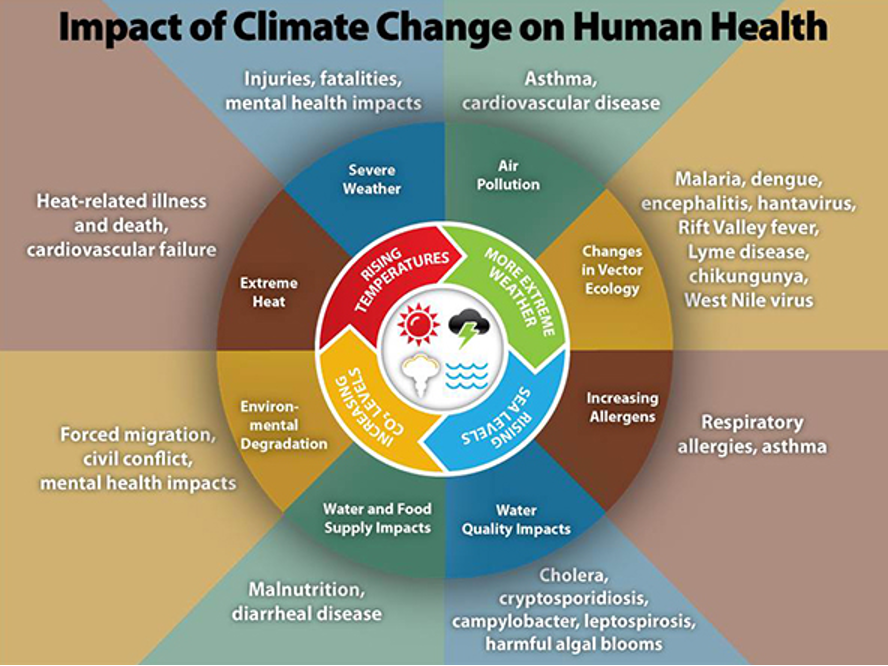
Equally alarming is the phenomenon of extreme weather events, burgeoning in frequency and intensity like an out-of-control wildfire. Hurricanes, droughts, floods, and heatwaves are no longer sporadic occurrences; they have become the norm, producing a cacophony of destruction. Consider the analogy of a misbehaving child throwing tantrums—each outburst progressively more severe, the consequences are dire for those caught in the eye of the storm. Whole regions find themselves at the mercy of unpredictable climatic conditions, often with fatal repercussions. The toll on human life and economic stability has been staggering, leaving families shattered and economies in ruins.
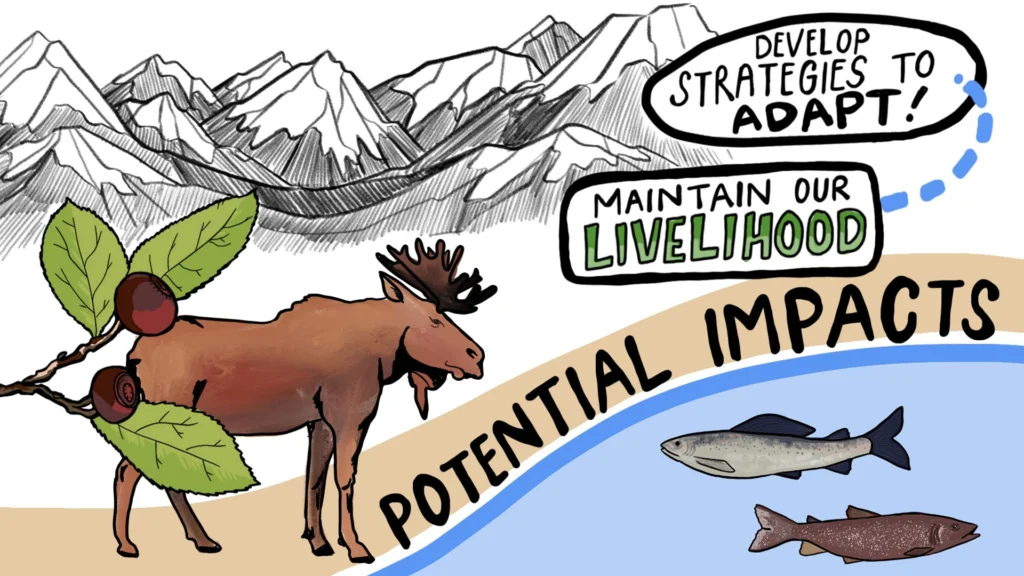
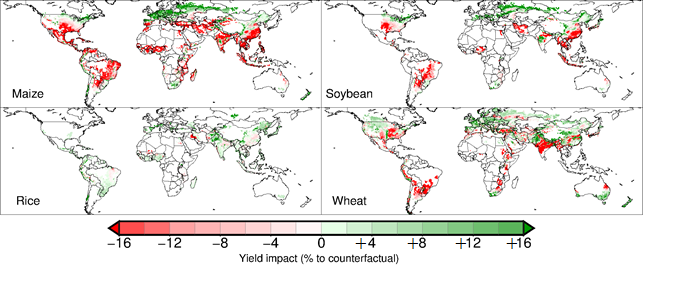
Moreover, global warming has cast a pall over our ecosystems, triggering a cascade of biodiversity loss that resembles a house of cards collapsing under its own weight. Many species are unable to adapt to the rapid shifts in their environments, resulting in extinction rates that are alarmingly high. This loss of biodiversity is not merely an ecological concern; it has profound implications for our food security and health. As ecosystems crumble, so too does the intricate web of life that sustains us. Vibrant coral reefs, once teeming with life, are now bleached and barren, exemplifying the delicate balance that has been upset.
The impact of global warming extends even further, permeating the very essence of public health. Rising temperatures create fertile ground for diseases to proliferate, as shifting habitats expand the reach of pathogens and vectors like mosquitoes. Diseases like malaria, dengue fever, and Lyme disease are projected to become more prevalent, afflicting communities already strained by the impacts of climate change. The irony becomes stark here; as we burn fossil fuels and warm the Earth, we inadvertently foster conditions that endanger our very existence.
Moreover, the mental and emotional toll cannot be overlooked. The phenomenon of eco-anxiety is on the rise, as individuals grapple with the existential dread of an uncertain future. The relentless barrage of climate crises, combined with the feeling of helplessness, cultivates a pervasive sense of despair. This internal struggle mirrors the physical upheavals occurring outside, emphasizing the need for a holistic understanding of global warming’s impacts, which extend beyond the tangible to the psychological.
As the discourse on global warming continues, it becomes imperative to acknowledge the intersectionality of its effects. Vulnerable populations—especially those in developing nations—bear the brunt of these impacts despite contributing the least to the crisis. The struggle for clean water, nutritious food, and stable living conditions intensifies under the specter of climate-related challenges, revealing stark disparities in resilience and capacity to adapt. This injustice demands a comprehensive approach to climate action, one that emphasizes equity and inclusivity.
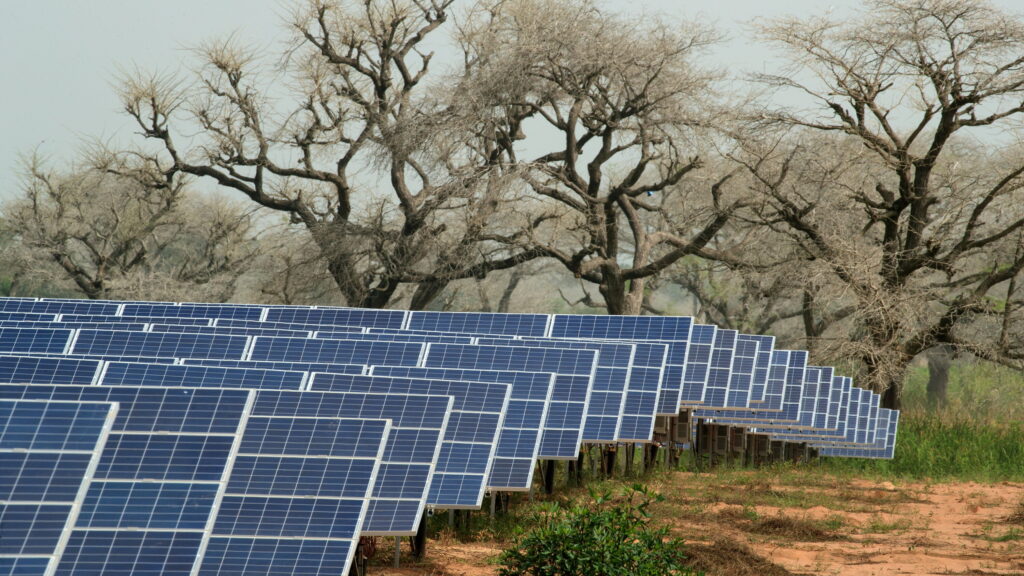
In light of these harrowing impacts, the question arises: What can be done? The path forward lies in collective action and a profound shift in our relationship with the planet. Transitioning to renewable energy, embracing sustainable practices, and advocating for robust climate policies are not mere suggestions; they are imperatives. As stewards of this Earth, it is our responsibility to ensure that we forge a sustainable future for generations to come.
In conclusion, the narrative of global warming is fraught with peril, yet it serves as a poignant reminder of our interconnectedness with the planet and each other. The most dangerous impacts of this phenomenon herald a time of reckoning. Only through concerted efforts can we hope to combat the encroaching storm and redefine our future. The choices we make today will resonate far beyond our immediate existence, shaping the contours of a world that tomorrow’s generations will either thrive in or endure with deep regret. The time for action is now, and the stakes have never been higher.





Leave a Comment