Climate resilience is a concept that has been rapidly gaining importance in our increasingly unpredictable world. But what exactly does it entail, and why is it more crucial now than ever? As climate change exacerbates extreme weather events, sea-level rise, and unpredictable ecosystems, societies worldwide find themselves grappling with an urgent question: How equipped are we to not only withstand these challenges but to thrive in a future that will undoubtedly be different from today? This inquiry invites a deep dive into what climate resilience truly means and underscores its paramount significance in contemporary times.
At its core, climate resilience refers to the capacity of communities, ecosystems, and economies to absorb, adapt to, and recover from the impacts of climate change. It’s not merely about bouncing back; it’s about harnessing opportunities to build a stronger, more sustainable future. This multifaceted concept encompasses various strategies aimed at mitigating risks associated with climate change while enhancing the adaptive capacity of both human and natural systems.
First, it is essential to understand the dimensions of climate resilience. The term encompasses environmental, social, and economic aspects, each interconnected in a web of complex relationships. Environmental resilience focuses on maintaining healthy ecosystems, ensuring biodiversity preservation, and safeguarding natural resources that communities rely on. Social resilience, on the other hand, emphasizes strengthening community networks, cultural cohesion, and public health systems, which foster social ties that allow societies to weather storms—both metaphorically and literally. Lastly, economic resilience pertains to creating robust economies capable of withstanding financial shocks and climate-related disruptions.
This intersectionality raises an interesting challenge: can we identify which aspect of resilience should be prioritized without jeopardizing others? For instance, can a community that invests heavily in infrastructure to prevent flooding also enhance its social cohesion? Balancing these dimensions presents a unique challenge that requires innovative thinking and concerted effort. In the quest for resilience, communities must holistically consider their priorities and resources, understanding that one strategy may inadvertently affect another.
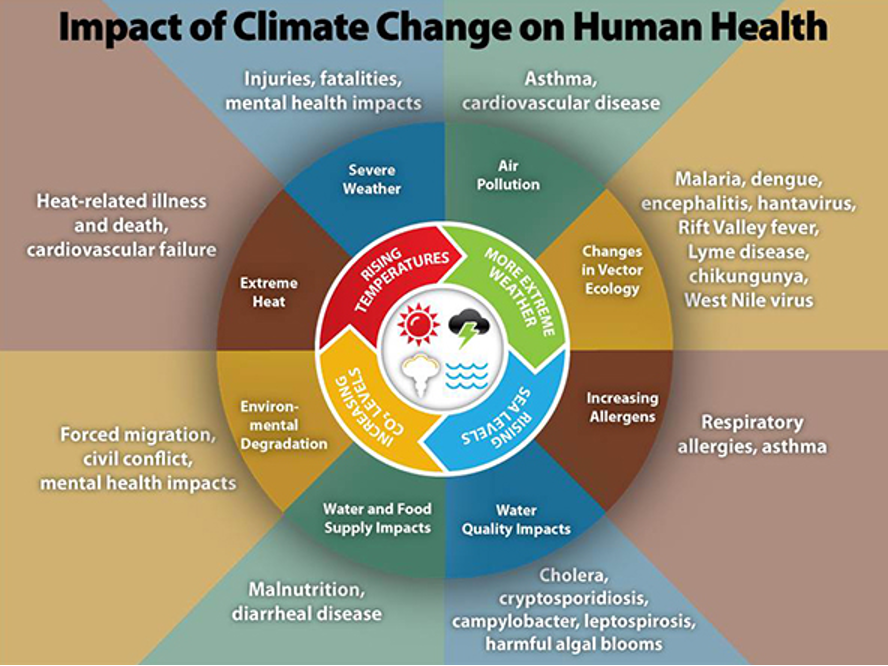
So, why does climate resilience matter now? A multitude of factors adds urgency to the call for action. In recent years, we have witnessed an alarming uptick in extreme weather events—hurricanes, wildfires, heatwaves—that serve as stark reminders of climate change’s ramifications. According to climate scientists, these occurrences will only intensify without significant intervention. The need for mitigation strategies is undeniable, yet the conversation must shift toward adaptation and resilience. Can we afford to remain passive in the face of such overwhelming evidence?
Moreover, the economic implications of failing to build climate resilience are staggering. The cost of inaction can result in billions of dollars in damage to infrastructure, property, and livelihoods. Communities that fail to invest in resilience strategies face compounded vulnerabilities as disaster recovery efforts become increasingly challenging. In contrast, those that proactively nurture resilience can not only protect their assets but also stimulate local economies through job creation in green industries and disaster preparedness sectors.
What exactly does fostering climate resilience look like in practice? There is no one-size-fits-all approach; rather, successful strategies are tailored to the unique needs and vulnerabilities of each community. For coastal regions facing rising sea levels, implementing natural barriers such as restored wetlands or mangroves can provide both protection and ecological benefits. On the other hand, urban areas may develop green infrastructure—such as parks and permeable surfaces—to manage stormwater and mitigate urban heat islands.
Additionally, engaging with local communities is paramount; fostering climate literacy and incorporating indigenous knowledge can significantly enhance resilience-building efforts. By giving voice to those most affected by climate change and collaborating on solutions, authorities can create holistic strategies that best serve diverse populations.
Furthermore, the role of policy cannot be overstated. Legislative frameworks need to enshrine climate resilience as a priority, facilitating investments in sustainable technologies, renewable energy, and climate-proof urban planning. When governments prioritize resilience in their policies—be it through zoning regulations that consider future climate risks or funding for adaptation projects—communities can better prepare for and respond to climate-related challenges.
An intrinsic component of building climate resilience is fostering international cooperation. Climate change knows no borders, and its effects are felt worldwide. Countries must unite to share knowledge, resources, and best practices—especially developing nations, which often bear the brunt of climate impacts despite contributing less to the problem. Climate financing initiatives, technology transfers, and collaborative research can bolster global resilience efforts. The path forward is not one that we can embark on in isolation.
Ultimately, pondering the implications of climate resilience beckons a larger philosophical inquiry: are we prepared to rethink our relationship with the planet? As we confront a rapidly deteriorating environment and escalating socio-economic disparities, the urgency of establishing resilient systems cannot be overstated. Our collective survival hinges on the answer to this question. Achieving climate resilience is not just an aspiration—it is a necessity, an imperative that commands our immediate attention and action.
As we move forward, let us reshape our strategies and nurturing instincts toward a future marked not merely by survival, but by flourishing in a world that challenges us at every turn. Now, more than ever, the essence of our resilience will determine whether we thrive or merely exist in the face of climate adversities. The task ahead is monumental but essential. It calls for courage, creativity, and commitment—qualities only humanity can summon together.






Leave a Comment