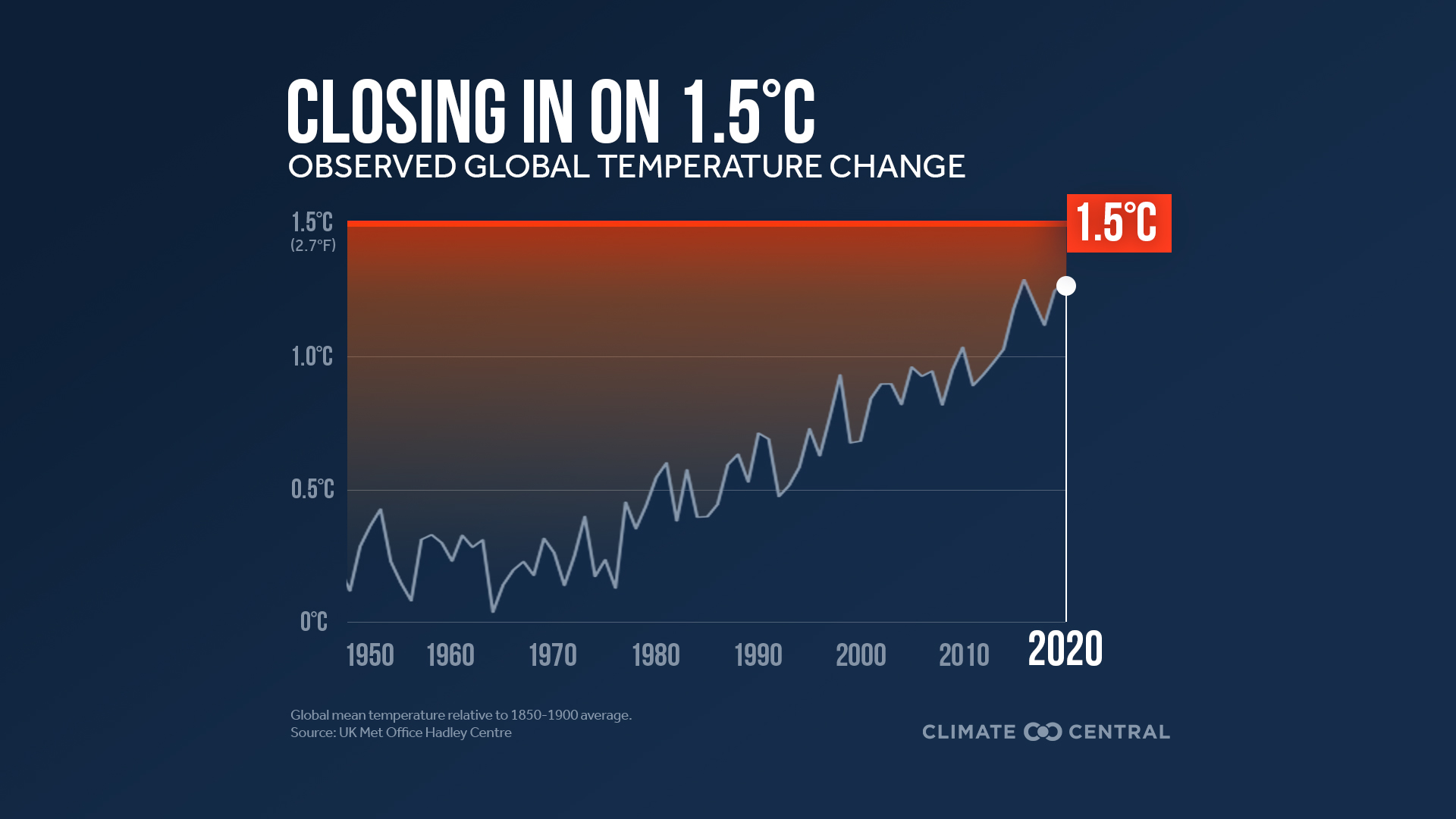
As we look forward to the next two decades, the effects of climate change will manifest in ways both profound and unanticipated, fundamentally altering life as we know it. This journey into the future of our planet compels us not only to grasp the dire implications but also to understand the narratives woven into the fabric of these changes. What will unfold over the next 20 years will serve as both a cautionary tale and a call to action. Here, we navigate through various realms—from our ecosystems to socioeconomic structures—illuminating what these forthcoming transformations mean for humanity.
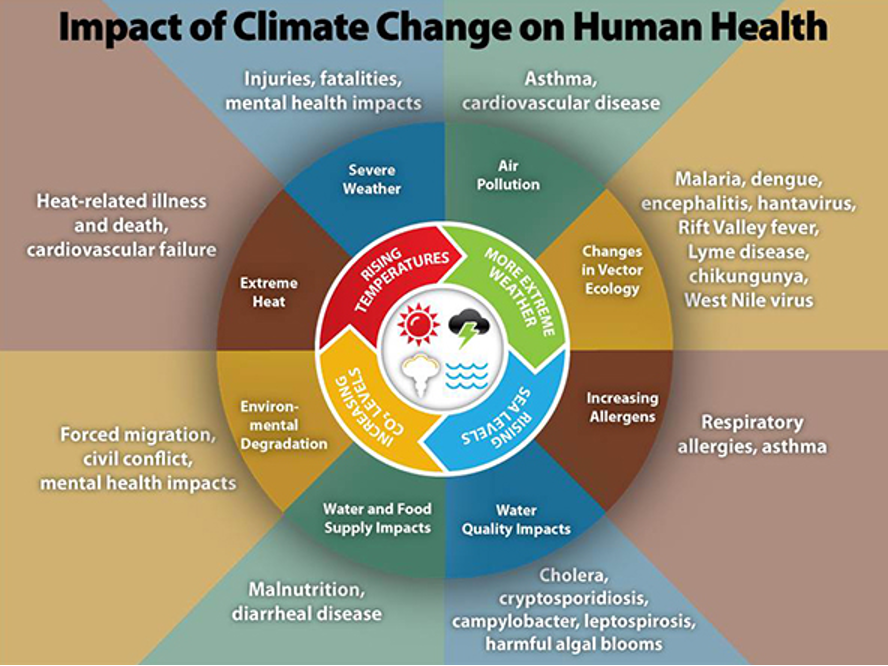
The natural world is perhaps where the most blatant shifts will transpire. As global temperatures continue to climb, ordinary weather patterns will devolve into volatility. The rise in average temperatures will exacerbate the frequency of extreme weather events: hurricanes will grow fiercer, droughts will extend longer, and flooding will become more commonplace in previously stable areas. With this meteorological chaos, the biodiversity that sustains ecosystems around the globe will face unprecedented pressures. Many species will find their habitats uninhabitable, prompting a cascade of extinction events. The loss of biodiversity not only diminishes nature’s splendor but unravels critical food webs, ultimately threatening humanity’s own survival.
Water resources will also be impacted, leading to scarcity in some regions and excess in others. As glaciers and polar ice caps melt, freshwater reserves will shift, presenting a paradoxical scenario where some populations grapple with flooding while others succumb to drought. Countries reliant on major river systems will confront geopolitical conflict as water becomes a prized commodity. These shifts necessitate a profound reevaluation of water management practices, stimulating innovative solutions—from improved conservation methods to advanced desalination technologies. The necessity for cooperation across borders will soar, urging nations to collaborate in resolving the water crises looming on the horizon.
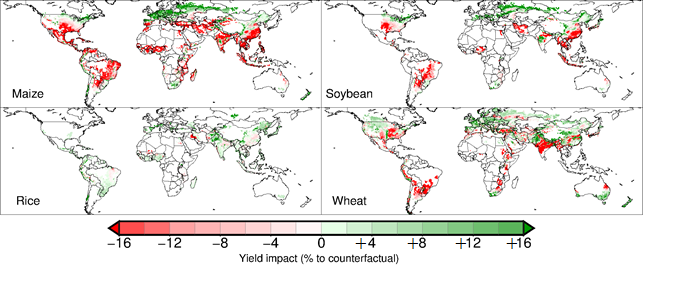
Agriculture, the backbone of human sustenance, will not escape the throes of climate change. Altered climate conditions will yield crop failures due to drought or devastating storms, leading to food insecurity across the globe. Smallholder farmers, especially in developing regions, will bear the brunt of these changes, facing challenges that larger agricultural operations may withstand. This unpredictability in yields will fuel spikes in food prices, exacerbating poverty and holding promises of social unrest. However, this crisis could catalyze advancements in agroecological practices and precision farming, innovations designed to optimize resource use and redefine our farming paradigms.
The socioeconomic repercussions of climate change extend beyond agriculture and natural resources. Entire communities may find themselves in dislocation as they are compelled to confront the realities of rising sea levels and extreme weather. Urban centers along coastlines will face existential threats, necessitating the creation of resilient infrastructures or evoking mass migrations of populations seeking safety. This mass movement will unfold not just within borders but across continents, leading to cultural exchanges and potential tensions as new demographics resettle in regions already grappling with challenges of their own. Local governments and organizations will need to transition from reactive to proactive measures to foster inclusivity and social cohesion in increasingly diverse communities.
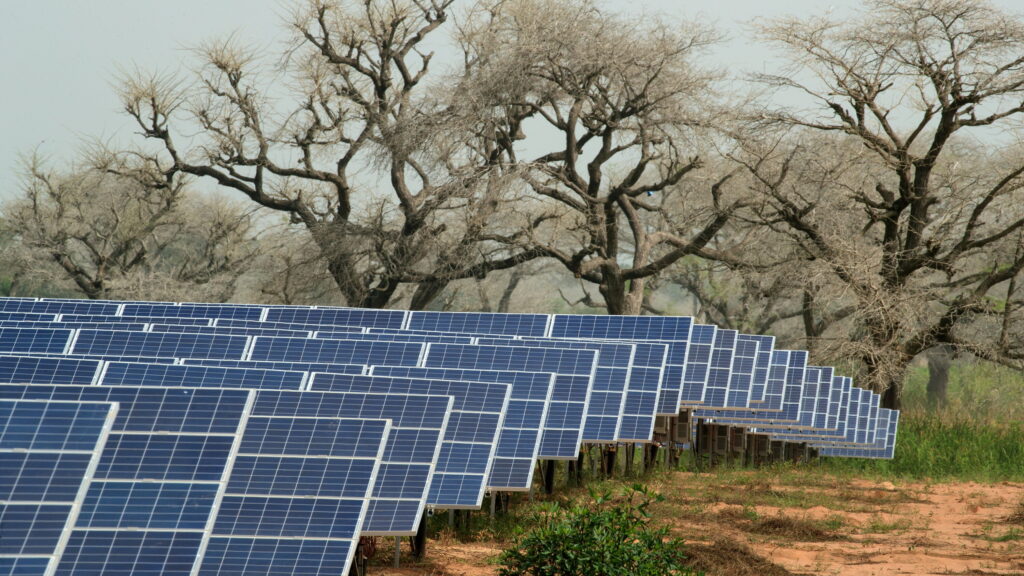
As industries reassess their operations in light of climate policies, significant shifts in job markets are expected. The green economy will rise, creating new careers centered around sustainability and renewable energy. Solar and wind power industries will flourish, positioning themselves as the cornerstones of energy production. In contrast, fossil fuel-dependent sectors may suffer substantial decline, necessitating workforce retraining and reskilling initiatives to mitigate the economic fallout. The pathway to a sustainable future requires an ambitious vision anchored in innovation, collaboration, and a commitment to reducing carbon footprints.
Furthermore, the psychological ramifications of climate change will become increasingly evident. The pervasive anxiety surrounding ecological degradation will penetrate communities, leading to mental health crises that demand greater awareness and resources. Young people—the future stewards of our planet—may experience eco-anxiety, causing a fracture in their connection to the natural world. Addressing these psychological impacts will necessitate a cultural shift, wherein mental wellness and environmental engagement become intertwined. Schools, communities, and policymakers must cultivate environments that nurture resilience, offering support and instilling a sense of agency in confronting climate challenges.
However, amidst these daunting challenges, glimmers of hope persist. The collective consciousness surrounding climate change is shifting; it prompts an awakening that has spurred movements advocating for sustainability. Grassroots initiatives, youth-led activism, and community resilience projects highlight a desire for systemic change. These movements inspire a renewed emphasis on climate education, empowering individuals to integrate sustainable practices into their daily lives. As citizens unearth innovative solutions, a narrative emerges: one where each action, no matter how small, contributes to a larger mosaic of resilience and regeneration.
Thus, the next 20 years herald a transformative epoch defined by both peril and promise. Embracing the dual nature of this narrative is crucial—while we take heed of the looming specters of climate change, we must also kindle the flames of curiosity and resolve. The future may be uncertain, but it is our stewardship, our innovation, and our collective action that will shape the tapestry of tomorrow. We stand on the precipice of change; how we navigate these waters will determine not only our survival but the legacy we leave for generations to come.






Leave a Comment