As the sun rises over the American landscape, shedding light on brass tacks of our environmental crisis, a palpable shift in sentiment is afoot. In recent years, soaring temperatures and unprecedented weather patterns have ushered the topic of global warming into the mainstream, sparking conversations that ripple across households, communities, and even governmental corridors. The question crystallizing in the minds of many is straightforward: What is America actually doing about global warming today? In this intricate tapestry of action and inaction, a multitude of threads—ranging from individual initiatives to sweeping policy reforms—intertwine to form a narrative both complex and compelling.
The roots of America’s response to global warming run deep, nourished by decades of environmental awareness and activism. Yet, as the proverbial river swells, so too does the urgency to address the associated threats. While political discourse can often resemble a cacophony of conflicting ideologies, some initiatives emerge as beacons of hope amidst this tumult. Grassroots movements, corporate responsibility, and federal policy adjustments converge to create an ecosystem that either supports or undermines our environmental future.
At the grassroots level, a fervent wave of activism has taken hold. Individuals armed with passion and purpose are planting seeds of change in their communities. Local organizations, often run by zealous volunteers, are mobilizing efforts for environmental education, tree-planting initiatives, and advocating for sustainability within urban planning. This grassroots momentum is akin to a gentle tide rising up the beach: persistent, patient, and powerful. Such efforts embody the idea that change does not always need to wield a sledgehammer; sometimes it simply requires a steadfast commitment to nurturing the earth through conscientious choices.
Corporate America has also begun to pivot. A growing consciousness is emerging among major corporations about their carbon footprints. From tech giants pledging to become carbon neutral to manufacturers investing in renewable energy sources, businesses are increasingly recognizing that their survival may hinge on their environmental stewardship. This shift mirrors the adaptive strategies of diverse species evolving to survive in rapidly changing ecosystems. Perhaps the most exemplary cases are the Fortune 500 companies that, in their quest for sustainable practices, are harnessing innovation in renewable energy, waste reduction, and sustainable sourcing to bolster their market competitiveness. Such businesses illustrate a crucial realization: environmental integrity can coincide with economic viability.
What is often overlooked, however, is the role of federal policy in shaping the landscape of America’s climate response. While the tides of political will vary dramatically from one administration to another, substantial legislative efforts continue to emerge. The rejoining of international accords, such as the Paris Agreement, signifies a renewed commitment to embrace global collaboration in combating climate change. Additionally, the passage of comprehensive infrastructure bills infused with climate-conscious provisions demonstrates an inclination towards sustainable development. These policies act as lifebuoys in the stormy seas of environmental degradation, potentially guiding the country towards a more sustainable anchorage.
Yet, despite these stirring currents of change, significant challenges persist. Disparities in public perception and misinformation can obstruct progress, much like floating debris clogs a pristine river. While a growing number of Americans express alarm regarding global warming—a trend that reflects a broader global sentiment—political polarization often skews the narrative. The disparate views on climate science and environmental priorities create an impasse that can stall transformative measures. Bridging this divide requires a concerted effort to foster dialogue and education, ensuring that facts and empathy underpin conversations about our shared future.
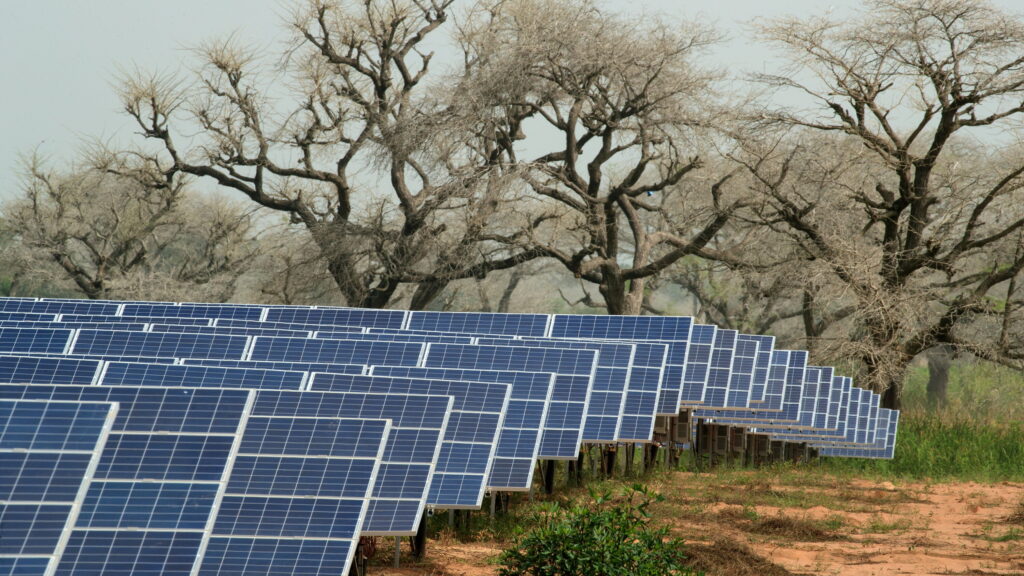
It would be remiss not to address the role that technology plays in America’s response to climate change. Innovations in clean energy, such as wind and solar power, are redefining the energy landscape. They offer a promising alternative to traditional fossil fuels, akin to a breath of fresh air wafting through a smog-filled room. Furthermore, advancements in carbon capture and storage technology could provide a method for reducing greenhouse gasses, effectively serving as a filter for an otherwise polluted atmosphere. The marriage of technology and environmental advocacy manifests the belief that, while nature is formidable, human ingenuity can offer solutions that mitigate environmental crises.
On a more personal level, individuals are increasingly recognizing their individual responsibilities in the fight against climate change. From reduced meat consumption to a heightened awareness of waste management, personal actions can create ripples of impact. Each small action—a composting bin, a reusable shopping bag—acts as a brick in the robust wall of climate action. This collective consciousness transforms passive concern about climate change into proactive participation, whereby ordinary citizens become extraordinary agents of change. It underscores a critical understanding that saving the planet is a mosaic crafted from innumerable individual contributions.
As we traverse this winding path of inquiry, it becomes evident that America’s response to global warming is a tapestry woven with threads of hope, innovation, and occasional whimsy. While challenges loom large, so too do opportunities for transformation and progress. The interplay of grassroots activism, corporate responsibility, and federal policy creates a framework through which constructive action may thrive. Ultimately, there lies a profound truth: the fate of the planet rests not solely in the halls of power but in the hearts and hands of its people. The clock is ticking, and as advocates strive to stitch together a future that is sustainable and just, it is imperative that all voices join in this resolute chorus for a healthier planet. Time will tell whether America will weather this storm and emerge stronger for it, but with continued determination, hope can indeed rise like the sun over the horizon.






Leave a Comment