
As we stand on the precipice of one of the most pressing challenges of our time, the global warming debate unfolds like an intricate tapestry, woven with complex threads of scientific inquiry, political intricacies, and social responsibility. The repercussions of climate change are not mere whispers in the wind; they are powerful roars that resonate across borders and generations. Let us delve into the most pivotal topics that populate this multifaceted discourse.
1. The Science of Climate Change
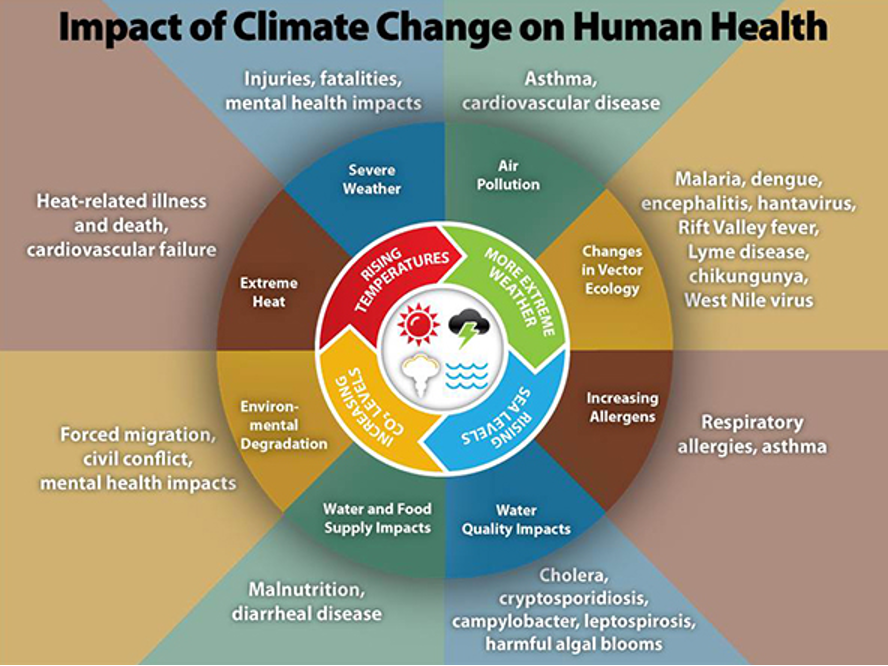
The foundation of the global warming debate lies in the intricate science that elucidates the mechanisms behind climate change. At its core, the phenomenon is driven by the greenhouse effect, wherein gases such as carbon dioxide and methane trap solar energy in the earth’s atmosphere. This process is metaphorically akin to wrapping our planet in a thick, insulating blanket that becomes increasingly stifling. Yet, as science continues to evolve, so too does our understanding of climate feedback loops, tipping points, and the catastrophic potential of phenomena such as permafrost melt and ocean acidification. Each scientific discovery serves as both a beacon of hope and a clarion call to action, demanding that we confront the dire implications of our energy consumption and environmental stewardship.
2. Fossil Fuels and the Transition to Renewables
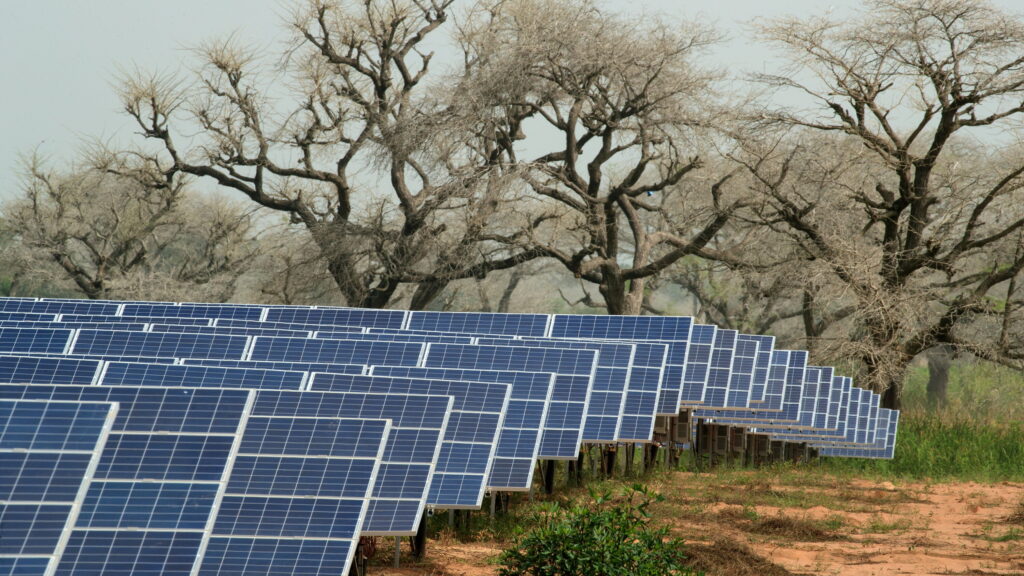
In the global energy panorama, fossil fuels are analogous to a double-edged sword. They have powered industrial revolutions and technological advancements, yet their relentless extraction and combustion have contributed significantly to the current climate crisis. The transition to renewable energy sources—solar, wind, and geothermal—represents a tantalizing escape from this perilous cycle. Imagine a phoenix rising from the ashes of a carbon-intensive society, heralding a future characterized by clean, sustainable energy. While this transition is fraught with challenges—such as infrastructure disparities and the economic implications for fossil fuel-dependent regions—it also offers transformative opportunities for innovation and job creation. Embracing renewables is no longer an option; it is a necessity, akin to reinventing our very existence on this planet.
3. Political Action and International Cooperation
The tide of political will is a critical determinant in the fight against global warming. Governments are faced with an intricate balancing act, one that requires prioritizing short-term economic interests against long-term environmental sustainability. International cooperation, epitomized by accords like the Paris Agreement, underscores the global nature of climate change—a problem without borders. The metaphor of a “shared vessel” comes to mind: we are all aboard the same ship, navigating turbulent waters. The failure of individual nations to act effectively threatens to capsize us all. To alter the trajectory of climate change, we must unite under a common cause, transcending nationalistic tendencies and fostering collaborative solutions.
4. Economic Implications and Climate Justice
The intersections between economics and environmental stewardship fuel a heated discourse. There are arguments positing that robust climate action comes with significant economic costs, yet this perspective often overlooks the latent economic opportunities engendered by the green transition. Climate justice, a vital theme within this landscape, emphasizes that those who contribute least to carbon emissions, often marginalized communities, are disproportionately affected by climate change’s stark realities. In this vein, we must consider reparative initiatives that address historical injustices while simultaneously pursuing sustainable economic models. Viewing these challenges through the lens of equity and investment in human capital can pave the way for a more resilient and inclusive economy.
5. The Role of Technology and Innovation
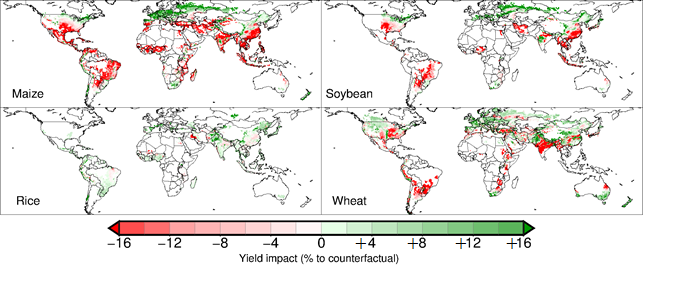
As we grapple with the complexities of climate change, technology emerges as a powerful ally. Innovations in carbon capture and storage, energy efficiency, and sustainable agriculture present us with formidable tools to mitigate our environmental impact. Visualize technology as a key that unlocks the door to possibility, granting access to a realm where we can harmonize our growth with ecological preservation. Emerging fields such as biotechnology and artificial intelligence offer promising pathways for reducing greenhouse gas emissions and developing adaptive strategies for a warming world. Yet, these technological wonders must be approached with caution, ensuring that they do not perpetuate existing inequalities or exacerbate environmental degradation.
6. Individual Responsibility and Grassroots Movements
While systemic change is imperative, the actions of individuals and communities cannot be underestimated. Grassroots movements ignite the fire of activism, demonstrating that collective action can engender substantial shifts in public policy and societal norms. Each small decision—whether it’s adopting a more sustainable diet, reducing waste, or advocating for local initiatives—contributes to a larger mosaic of transformation. Consider this: the power of a single seed cannot be overlooked; it has the potential to give rise to an entire forest. Individuals must embrace their role as catalysts for change, fostering a culture of sustainability that pervades all levels of society.
Conclusion: A Call to Arms
The global warming debate is a robust confluence of science, politics, economics, and social dynamics—an intricate web that, if left unaddressed, threatens to ensnare future generations. As stewards of this beautiful planet, we must rise to the occasion with a resolute spirit, embracing both the urgency of the challenge and the transformative potential of our collective actions. Together, we possess the capacity to change the narrative, crafting a future where humanity and nature coexist in harmony. The time to act is now, and history will remember those who dared to challenge the norms and pave the way for a sustainable legacy.






Leave a Comment