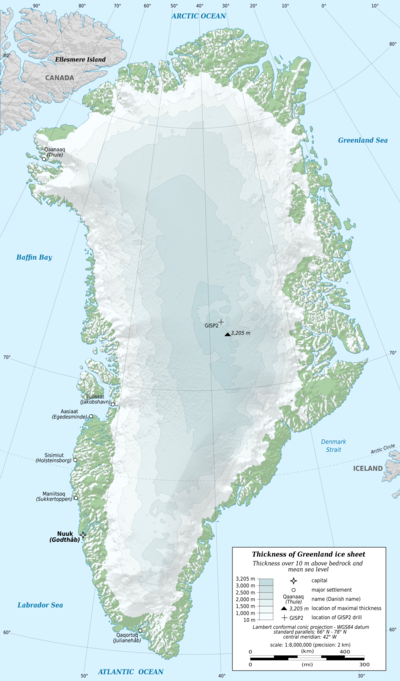
In the far reaches of the Arctic Circle lies an expanse of ice so vast and monumental that it profoundly influences our planet’s climate, sea levels, and ecosystems: the Greenland Ice Sheet. Spanning an area of over 1.7 million square kilometers, this colossal sheet of ice holds approximately 10% of the world’s freshwater supply. To comprehend its significance is to confront the reality of climate change and the potential ramifications our future holds.
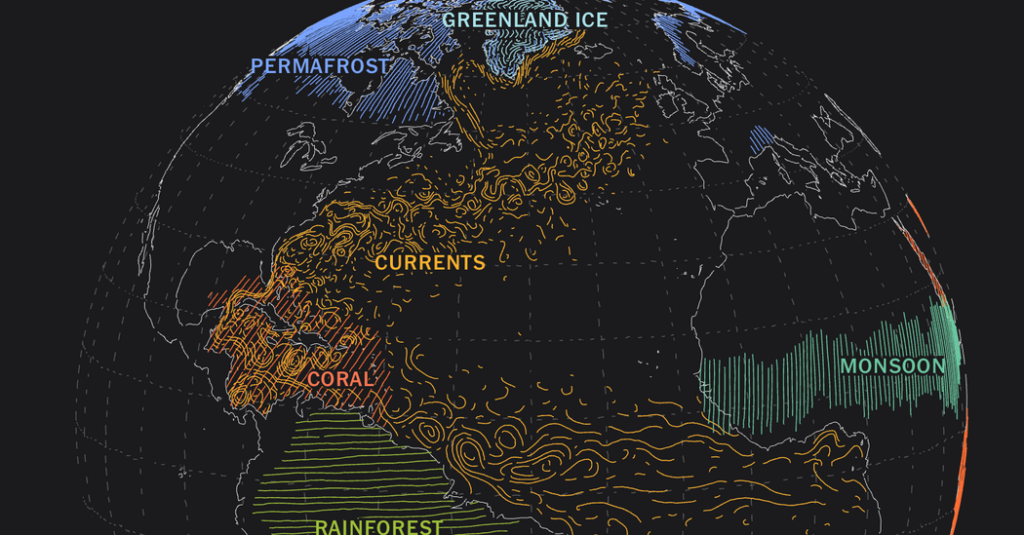
At its core, the Greenland Ice Sheet serves as a formidable indicator of climate health. Its enormity is matched only by its fragility. The ice sheet has experienced an alarming increase in melting rates, a phenomenon attributed predominantly to anthropogenic climate change. As global temperatures rise, the Arctic landscape is transforming at an unprecedented pace, raising urgent questions about the ice’s resilience and sustainability.
The critical components of the Greenland Ice Sheet can be broken down into its various features. Firstly, the ice sheet is composed of layers upon layers of accumulated snowfall, which compresses over time into thick glacial ice. This ancient ice has been in formation for over a million years, encapsulating records of Earth’s past climate. Each layer holds secrets, revealing what the atmosphere was like at different points in history. To scientists, these ice cores are invaluable, serving as time capsules that allow us to project future climate scenarios based on historical patterns.
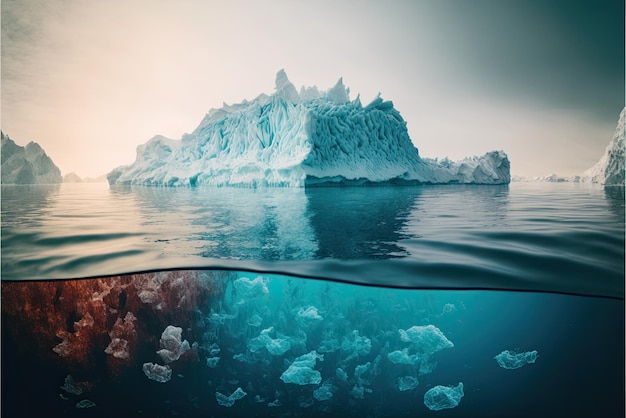
Yet, beneath this colossal surface lies an equally complex network of subglacial rivers and lakes, which have their own critical role in influencing the ice dynamics. The liquid water beneath the ice is a catalyst, impacting its movement and stability. As the climate warms, these subglacial environments expand, promoting faster glacier flow into the ocean. A curious paradox emerges: the more the ice melts, the more it contributes to its own demise. Understanding this intricate relationship between the ice, water, and underlying geology is essential for predicting future ice sheet behavior.
Moreover, the Greenland Ice Sheet is not merely an isolated entity. Its melting poses significant threats to global sea levels. Scientists predict that, if the ice sheet were to completely melt, sea levels could rise by over seven meters—a cataclysmic change that would inundate coastal cities and displace millions. This stark potential drives home the urgency for collective action against climate change. The ramifications of ignoring this issue stretch far beyond the Arctic, entwining with global economic stability and social justice.
As we probe deeper into the implications of this ice sheet, the phenomenon of albedo effect comes to the forefront. Albedo refers to the reflectivity of a surface; ice has a high albedo, reflecting sunlight back into the atmosphere. However, as the ice diminishes, darker ocean waters and land surfaces are exposed, absorbing more solar radiation. This feedback loop accelerates warming, perpetuating the cycle of melting. Thus, the Greenland Ice Sheet serves not only as an ancient record but also as a modern harbinger of further climatic shifts.
The narrative of the Greenland Ice Sheet is also one of resilience and adaptation. Indigenous communities have coexisted with this majestic natural wonder for centuries, learning to navigate the harsh conditions and shifting landscapes. Their traditional ecological knowledge offers insights into sustainable practices that can inform contemporary conservation efforts. Embracing this perspective invites a richer understanding of our relationship with the environment, fostering respect for the natural world and the wisdom of those who know it best.
Furthermore, advancing technology allows for unprecedented monitoring of the ice sheet’s behavior. Satellites equipped with laser altimetry and radar systems furnish data that elucidate the rates of ice loss and glacier movement. This wealth of information empowers scientists to make informed predictions and advocate for policies aimed at mitigating climate change. The narrative shifts from passive observation to proactive engagement, raising our collective consciousness regarding the fragility of our planet.
Despite the grim forecasts, the story of the Greenland Ice Sheet is not without hope. A global movement is burgeoning, where individuals, communities, and nations unite to combat climate change. The recognition that the health of the ice sheet is directly tethered to human activity has sparked initiatives aimed at reducing carbon emissions, promoting renewable energy, and fostering sustainable practices. From grassroots activism to international agreements, each effort contributes to a mosaic of change, a testament to humanity’s capacity for resilience and innovation.
In conclusion, the Greenland Ice Sheet commands our attention as both a formidable ecosystem and a bellwether for global climate health. Its narrative weaves together threads of science, history, and social justice. To fully grasp its significance is to reconcile our role within a larger ecological framework, fostering a shift in perspective that pivots towards stewardship. As we peer into the depths of this ancient ice, let us remain curious, advocating for both the preservation of our planet and the nurturing of future generations in the age of climate change. The fate of the Greenland Ice Sheet—and, indeed, our world—depends on the choices we make today.




Leave a Comment