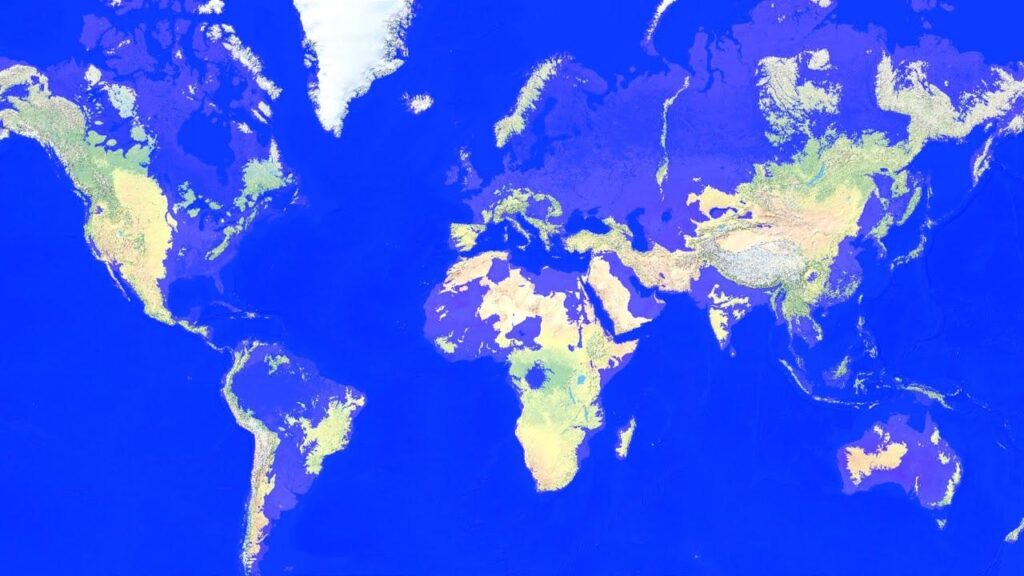
What Would Happen If All Glaciers Melted?
If every glacier on Earth disappeared, the resulting sea‑level rise, loss of fresh water, and ecosystem upheaval would reshape coastlines, threaten millions, and
December 1, 2025
If every glacier on Earth disappeared, the resulting sea‑level rise, loss of fresh water, and ecosystem upheaval would reshape coastlines, threaten millions, and
December 1, 2025
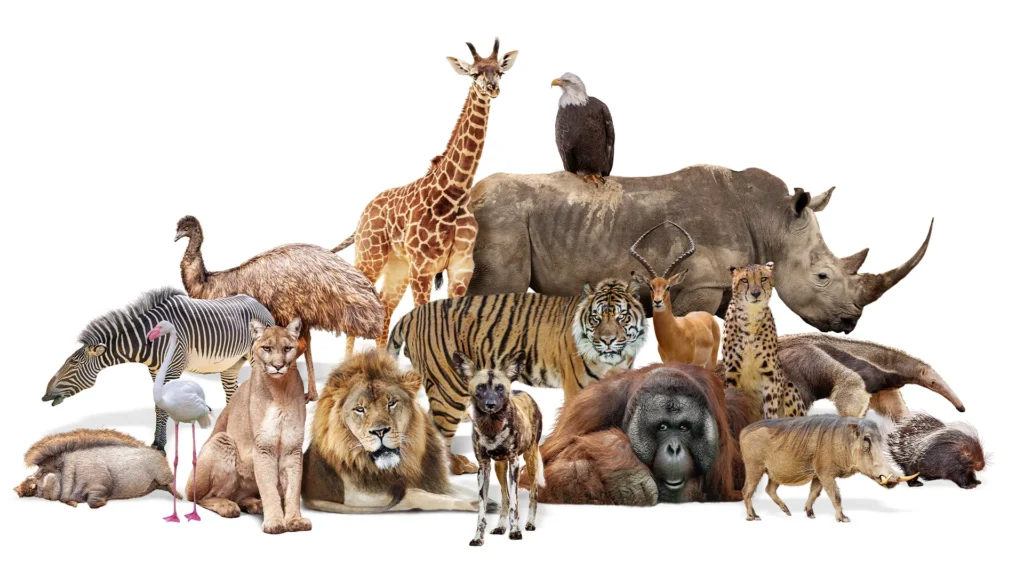
Many animal species are facing imminent extinction because of habitat loss, climate change, illegal trade, and other human pressures, threatening ecosystems and human
December 1, 2025
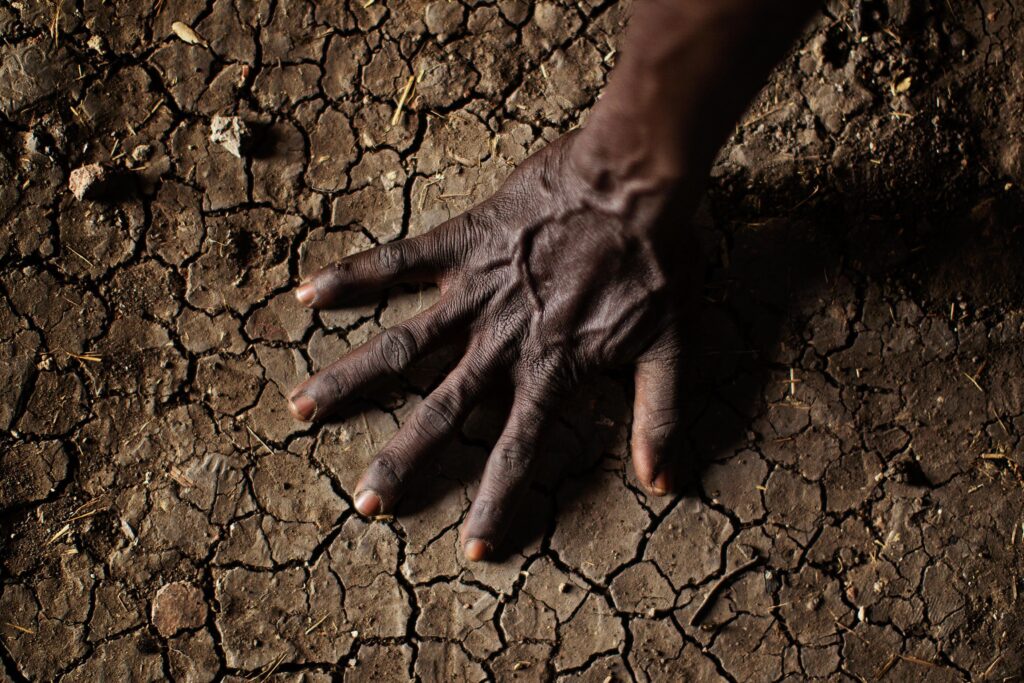
Global warming is the long‑term rise in Earth’s average temperature caused by human‑generated greenhouse gases, and it drives sea‑level rise, extreme weather, biodiversity
December 1, 2025
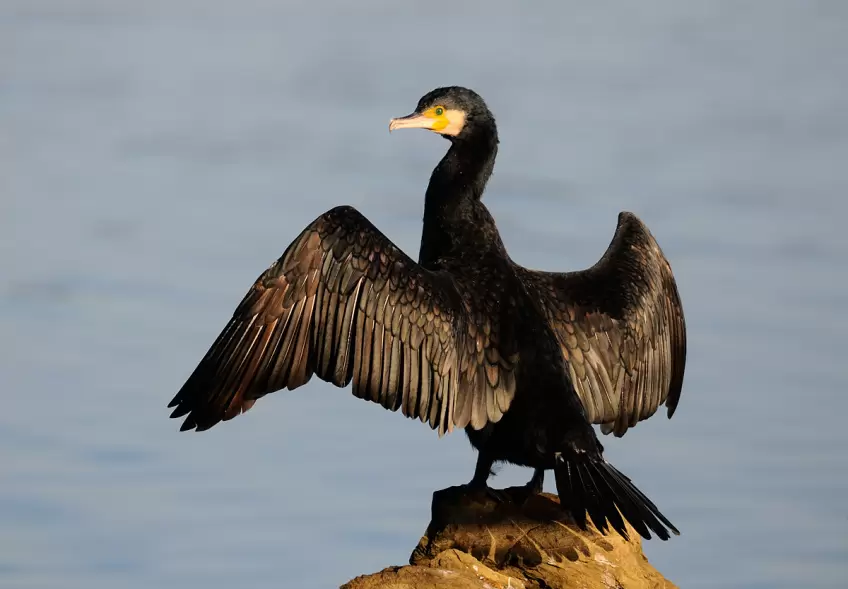
The claim that 200 animal species vanish each day reflects a worrying trend in biodiversity loss, but the actual extinction rate, its drivers,
November 30, 2025
A handful of wildlife species have been officially removed from the endangered list after sustained population gains, illustrating how targeted policy, habitat restoration,
November 30, 2025
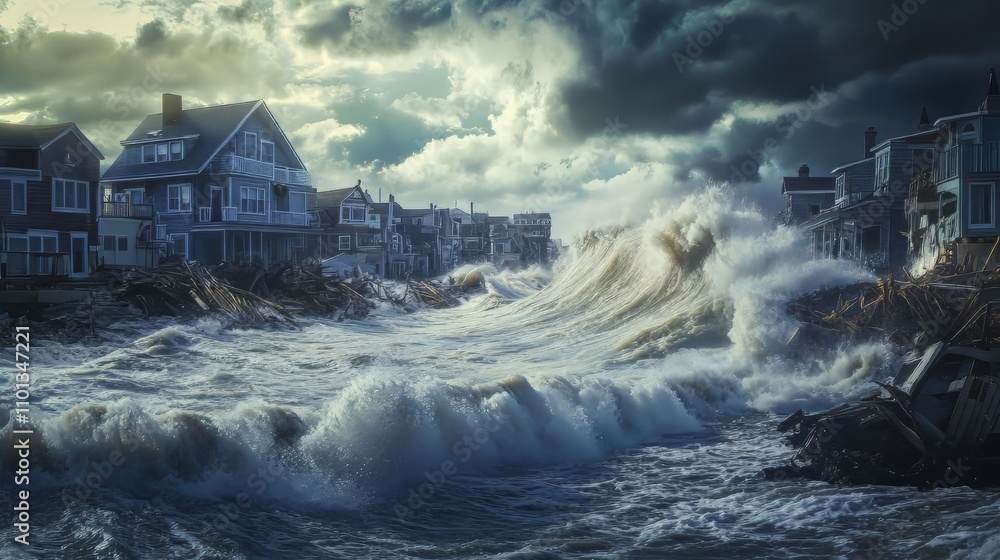
Rising sea levels raise the baseline water height, so when a storm surge arrives the combined water level can inundate coastal areas far
November 30, 2025
October 18, 2026

October 18, 2026

24Earth is an independent environmental knowledge platform explaining climate, oceans, biodiversity, pollution, energy, and planetary change through accessible, evidence-based reporting.
Copyright ©2026
24Earth.