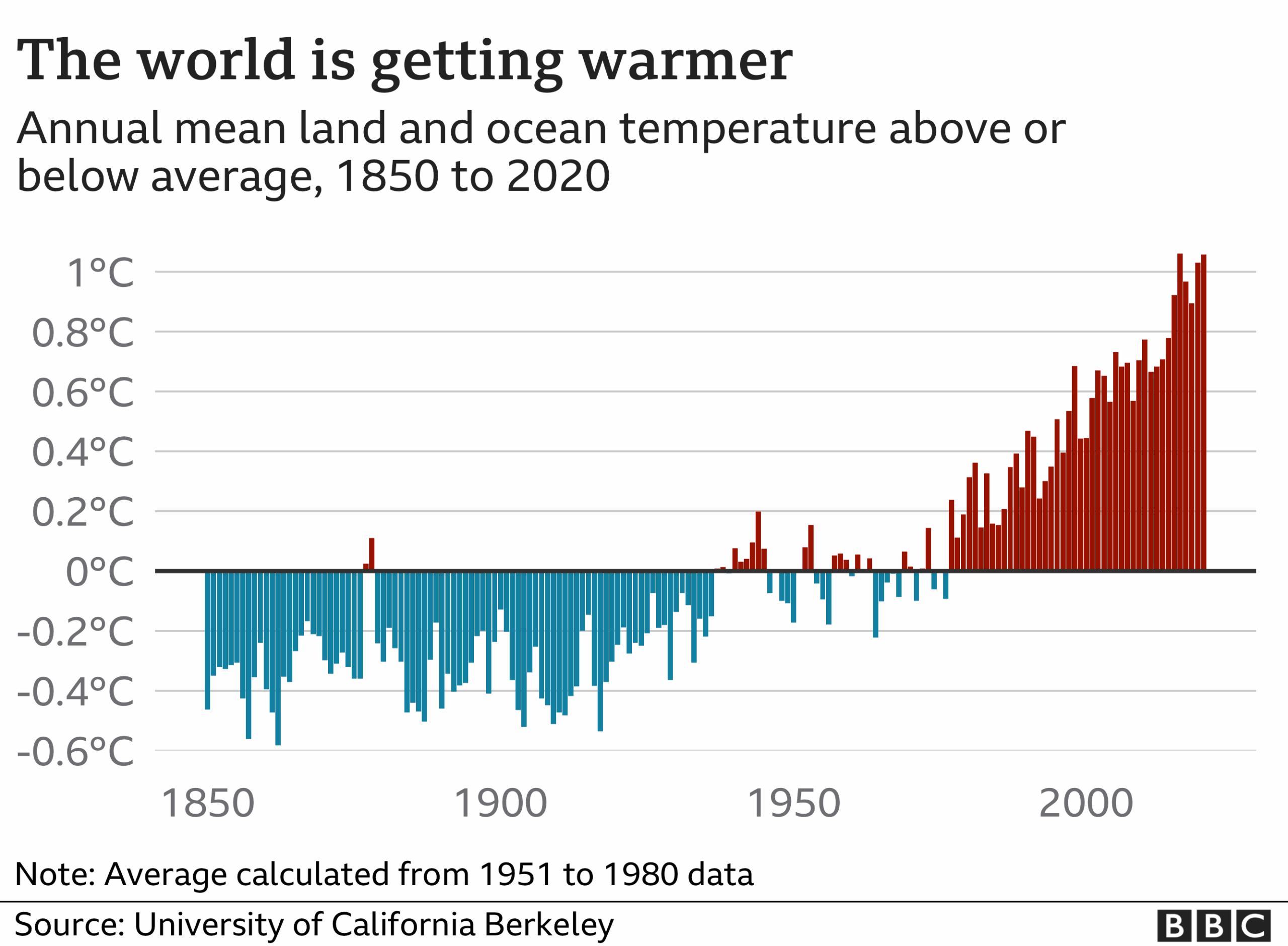
Climate change can often feel like an ominous specter lingering on the periphery of our daily lives, whispering unsettling truths that we struggle to comprehend. Its immediate effects, however, are less ambiguous than they seem. Short-term climate changes, while less publicized than their long-term counterparts, act like ripples on a pond, vibrating through our ecosystems and ultimately nudging us towards understanding a pressing reality. In an era defined by rapid transformation, it is crucial to demystify these fluctuations and grasp their characteristics, effects, and implications without drowning in technical jargon.
Short-term climate changes refer to atmospheric variations that occur over condensed timeframes, typically ranging from weeks to a few years. Imagine the Earth’s climate as a symphony orchestra. Just as a conductor nudges the strings, brass, and woodwinds to create harmonies or dissonances, various natural forces orchestrate our climate in the short term. The interplay of weather patterns, oceanic currents, and atmospheric conditions can lead to fluctuations that our planet experiences—events like droughts, heavy storms, and even brief but intense heat waves.
One of the primary culprits behind these short-lived climate variations is known as the El Niño-Southern Oscillation (ENSO). Envision this phenomenon as a cosmic seesaw, tipping the balance of warm and cold oceanic waters across the Pacific Ocean. During an El Niño event, the waters warm significantly, influencing weather patterns worldwide. This warmth can herald torrential rains in some regions, while conversely, it may precipitate parched conditions elsewhere. Its sibling, La Niña, brings the opposite effect—a cooling of ocean temperatures that can trigger its own suite of climatic anomalies. Understanding ENSO is akin to reading the mood rings of our climate: it provides valuable insights into the changes brewing just beneath the surface.
In addition to these periodic fluctuations, we must not overlook the impact of anthropogenic activities. Picture humanity as a vivid artist applying bold strokes to a canvas, sometimes obscuring the underlying details of the masterpiece we call Earth. The burning of fossil fuels, deforestation, and industrial activities have accelerated the acceleration of climatic events, presenting us with an ephemerally aggravating reality. These short-term changes can exacerbate natural events and lead to more frequent and intense hurricanes, floods, and wildfires. Such a reality transforms our relationship with nature—once viewed merely as a backdrop to our existence, now it appears as a vigorous protagonist battling against the very forces we have unleashed.
A particularly poignant manifestation of short-term climate changes is the increased frequency and intensity of extreme weather events. Consider storms as the Earth’s way of expressing its growing discontent. When temperatures rise, they create a volatile concoction of energy and moisture. Storms become tempestuous giants, raising concerns for communities and ecosystems alike. Hurricanes, fueled by warmer ocean waters, morph into monstrous entities nearly unrecognizable from their calmer counterparts. As these storms make landfall, they unleash a deluge that not only threatens human settlements but also disrupts the tender fibers of local biodiversity, forcing wildlife to adapt, flee, or succumb.
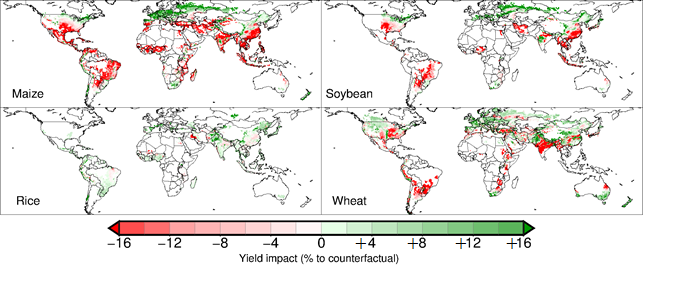
The ramifications of short-term climate change extend beyond immediate weather disturbances; they ripple through our economies, health systems, and social structures, creating a cascade of challenges. Agricultural communities find themselves embroiled in uncertainty as shifting weather patterns disrupt planting and harvest cycles. Imagine a farmer as a chess player, strategically positioning crops with the anticipation of an impending weather change—the outcome varies drastically depending on whether the storm tips in favor or against. Crop yields may falter, translating into food scarcity and economic turmoil. This food-security narrative is not merely a distant narrative; it reverberates in households where each meal becomes a judgment of resilience against the securing forces of nature.
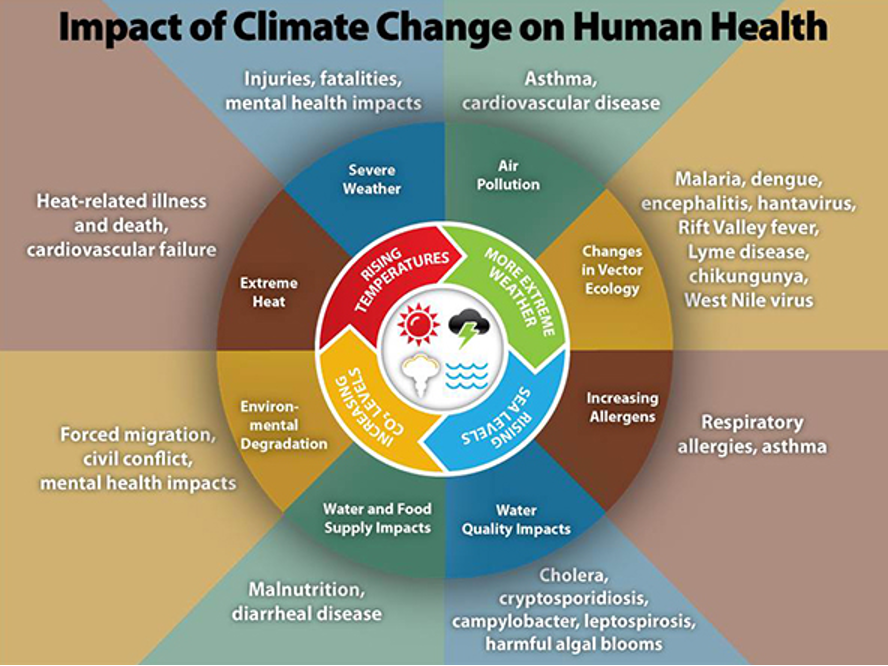
Public health, too, stands on the precipice of change amid these climatic upheavals. Rising temperatures can influence the spread of infectious diseases, ushering pests and pathogens into previously unaffected regions. The human body, once a fortress, now finds its defenses compromised. Short-term climatic variations create an opening for these invaders, heightening nuisance and danger alike. Our health and well-being become intertwined with the planet’s changing rhythm; we are all part of the same intricate web of life, where every thread must be accounted for.
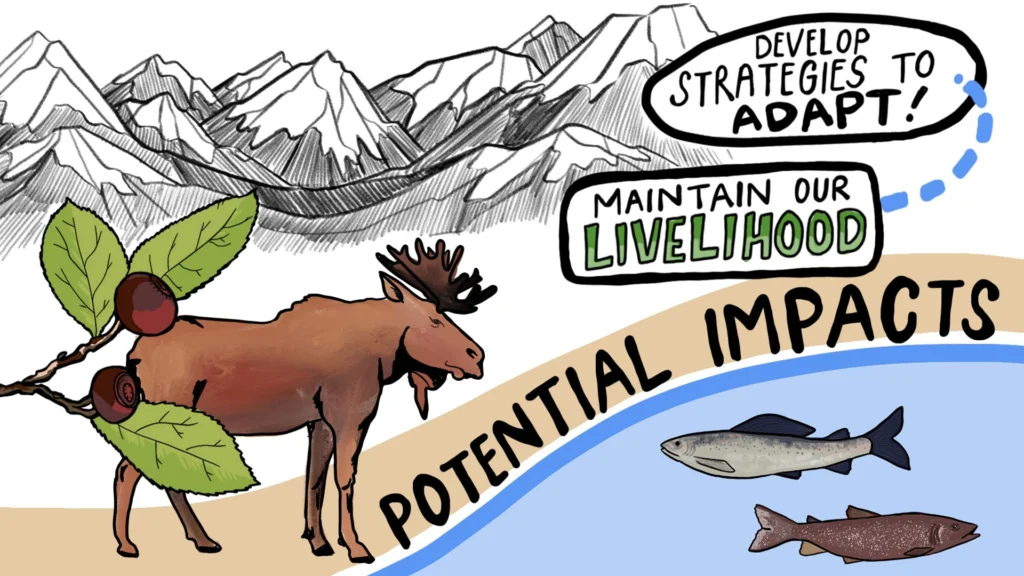
As we confront the looming specter of short-term climate changes, we also uncover a uniquely intertwined narrative: humanity’s response. While these changes underscore a chilling reality, they also present opportunities for transformation. Communities are rising to the occasion, reinforcing resilience and adaptability as a bulwark against climatic unpredictability. Innovative solutions, such as regenerative agriculture and sustainable urban planning, emerge as beacons of hope amid the chaos. We must foster a collective consciousness that acknowledges the transient nature of these changes while forging pathways toward a more harmonious future.
Ultimately, short-term climate changes, while daunting, serve as an urgent reminder that the dynamics of our planet are constantly unfolding. While sometimes obscured by the louder roars of long-term projections, these fluctuations intertwine with the very fabric of our daily existence. To approach them without the confines of jargon is to embrace clarity in an intricate dance of science and nature. This understanding not only empowers us to face adversity with tenacity, but it also invites us to actively participate in the creation of a more balanced relationship with our environment, recognizing that we are all stakeholders in the health of our shared home. It is through this lens of awareness and communal effort that we can hope to unravel the complexities of our world and contribute to a cohesive, sustainable future.






Leave a Comment