
As the world stands on the precipice of unparalleled environmental transformation, one cannot help but ponder: what compelling evidence exists to unequivocally assert that global warming is an acute and pressing reality? The veracity of climate change is not merely an abstract notion confined to scientific journals; rather, it is substantiated by tangible occurrences transpiring in myriad corners of our planet. Below, we explore real-world examples that illuminate the undeniable consequences of rising temperatures, presenting a narrative that we cannot afford to ignore.
The Melting Ice Caps: A Catastrophic Dance in the Arctic
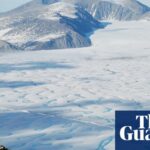
In the Arctic regions, the phenomenon of glacial retreat is manifesting in a profoundly alarming manner. Iconic formations like the Greenland ice sheet and West Antarctic glaciers are receding at an unprecedented pace. Data collected over the last few decades reveal that the Greenland ice sheet alone has lost approximately 3.8 trillion metric tons of ice since 1992. The ramifications are dire: as these massive ice bodies melt, sea levels rise, threatening coastal communities worldwide. But here’s a thought-provoking proposition: amidst this scientific consensus, how many among us have witnessed these changes first-hand?
Fierce Meteorological Extremes: Unprecedented Storm Patterns
Over the past few years, the world has endured an onslaught of natural disasters that defy historical norms. Hurricanes, once predictable in their behavior, have begun to exhibit erratic and intensified aggression. The ferocity of Hurricane Harvey in 2017, for instance, resulted in catastrophic flooding that decimated parts of Texas, primarily due to a confluence of warmer ocean waters and increased atmospheric moisture. Concurrently, wildfires have ravaged vast expanses of land, as seen in California and Australia, where extended drought periods meet swift wind patterns, crafting an inferno that seems relentless. This begs the question: are we prepared to adapt, or will we continue to traverse the path of complacency?
Oceanic Disarray: Coral Bleaching as an Alarming Indicator
Turning our gaze beneath the shimmering ocean waves, we encounter another stark indication of climate change—the distressing phenomenon of coral bleaching. Coral reefs, often dubbed the “rainforests of the sea,” are dying at an alarming rate. Rising sea temperatures have triggered widespread bleaching events, wherein corals expel the algae that provide them with sustenance and color. The Great Barrier Reef, a UNESCO World Heritage site, has experienced several mass bleaching events in recent years, significantly threatening marine biodiversity. Could it be that our indifference to these vibrant underwater ecosystems is contributing to their demise?
Flora and Fauna Displacement: A Shift in Ecosystems
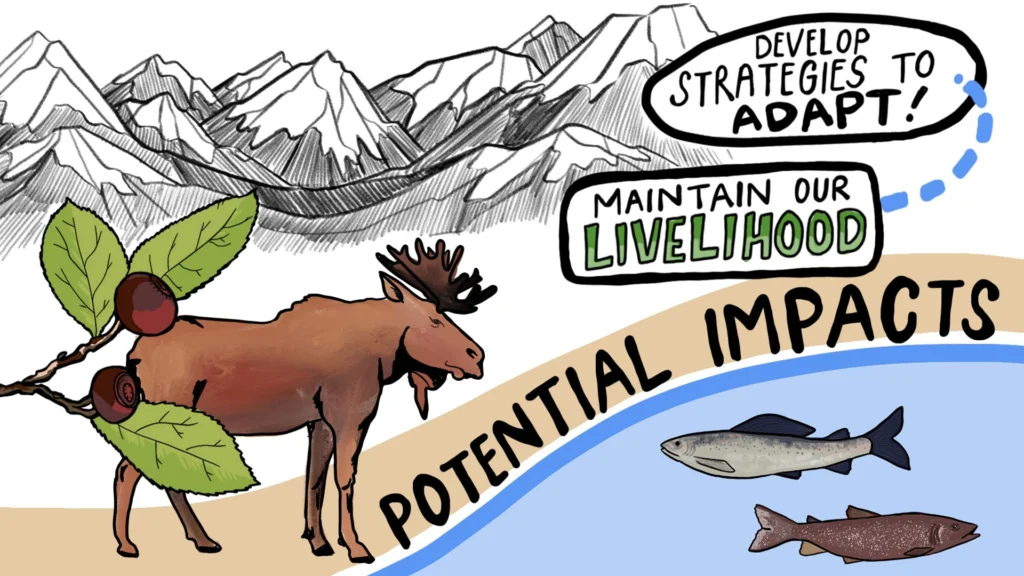
Habitat modification caused by global warming is forcing numerous species to change their geographical locales to survive. As temperatures rise, some species are migrating toward cooler latitudes or higher altitudes, where they can find refuge from the heat. For example, the Audubon Society has documented significant shifts in North American bird populations, where species formerly endemic to the southern states are moving northward in search of suitable climates. This presents an intricate challenge: as ecosystems grapple with these shifts, how do we recalibrate our conservation strategies to account for these alterations?
Food Security at Stake: The Agrarian Crisis
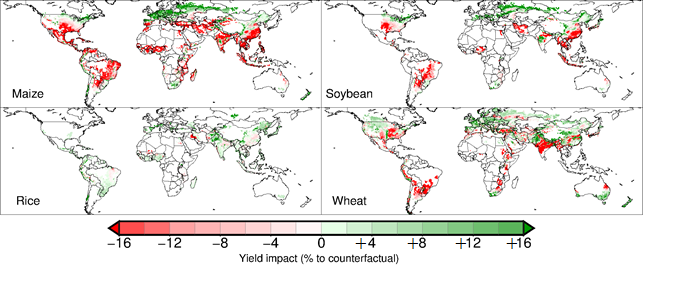
The agricultural sector, the very backbone of human sustenance, is not immune to the influences of climate change. Rising temperatures and altered precipitation patterns are exacerbating food insecurity issues in various regions. Crops like wheat, maize, and rice are experiencing diminished yields as environmental conditions become less predictable. In Africa’s Sahel, for instance, unpredictable droughts have devastated farming communities, jeopardizing livelihoods and inciting socio-economic upheaval. As challengers of this pressing issue, how can we cultivate resilient agricultural practices that not only endure these changes but thrive amidst adversity?
Human Health Risks: A Looming Health Crisis
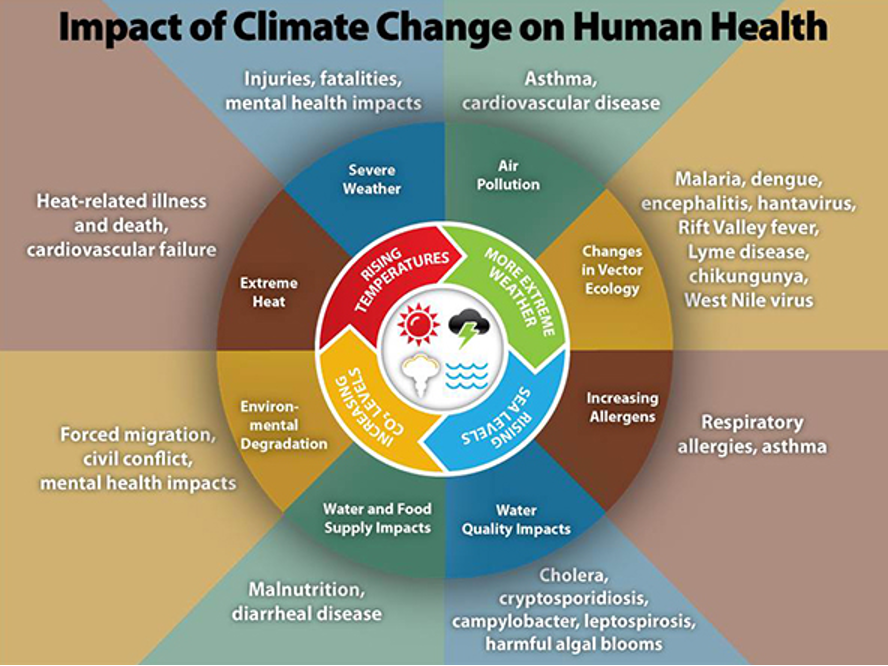
Another quiet but insidious threat posed by global warming is the deterioration of public health. As temperatures escalate, so does the prevalence of vector-borne diseases, such as malaria and dengue fever. Warmer climates provide fertile breeding grounds for mosquitoes, significantly extending their range and lifespan. Moreover, heatwaves—once considered rare events—are becoming commonplace, leading to spikes in heat-related illnesses and fatalities. The looming question remains: as our societies evolve, how can we foster a stronger public health framework to combat the impending threats posed by a warming world?
Conclusion: The Call to Action
The evidence laid bare before us is not merely a collection of alarming facts and figures; it is a clarion call for action. From the melting ice caps of the Arctic to the distressed ecosystems of our oceans, the implications of global warming are all too real. However, the challenge extends beyond acknowledgment; it necessitates a collective response. Each of us possesses the power to effect change, whether through advocacy, lifestyle adjustments, or community engagement. The question we must continuously ask ourselves is not simply, “What can we do?” but rather, “What will we do?” The clock is ticking, and the future of our planet hangs in the balance.





Leave a Comment