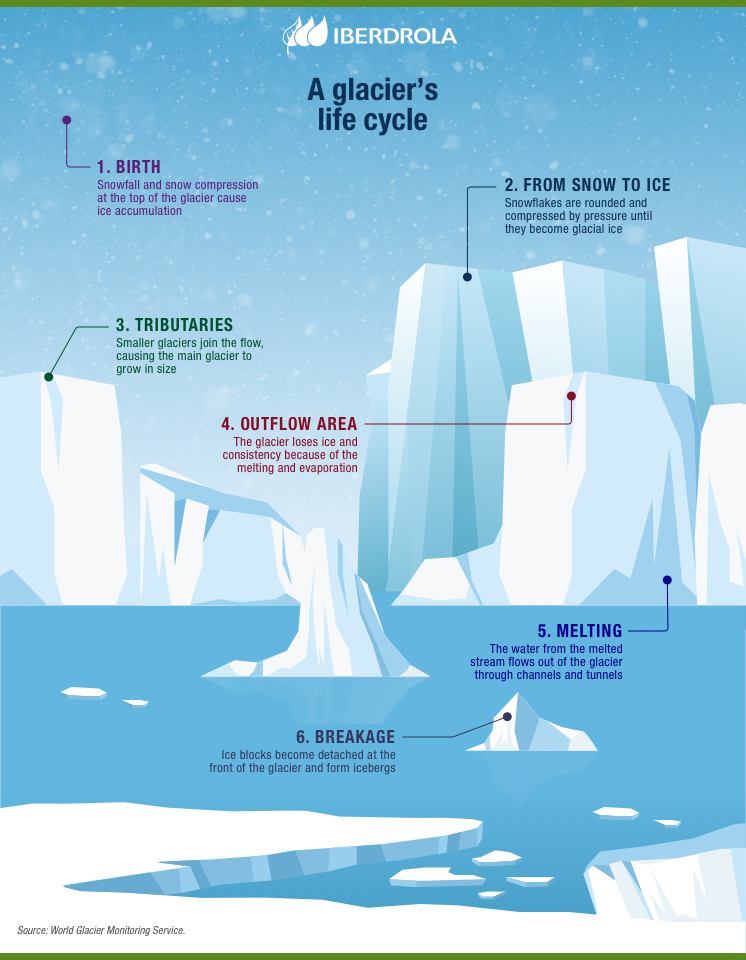
As we observe the grandeur of the world’s mountainous terrains, a disconcerting truth emerges: our planet’s glaciers, those majestic sentinels of frozen water, are retreating at an unprecedented rate. This unsettling phenomenon is a poignant illustration of climate change in action. But what exactly is causing these glaciers to melt? What effects are reverberating throughout our ecosystems and communities? And importantly, what feasible solutions can we implement to stem this tide? Let’s embark on a deeper investigation into this pressing environmental issue.
Causes of Glacial Melting
At the crux of glacial melting lies the phenomenon of global warming. Human activities—predominantly the burning of fossil fuels, deforestation, and industrial processes—are elevating concentrations of greenhouse gases in our atmosphere. Carbon dioxide and methane act like a thermal blanket, trapping heat and causing the planet’s average temperature to rise. This, in turn, forces glaciers to shed their icy reliance on the colder climes.
Another contributing factor is the albedo effect. Glaciers reflect sunlight due to their white surface. However, as they melt, darker land surfaces are exposed—such as soil or rock—that absorb more sunlight, causing further warming and accelerated melting. This feedback loop is both insidious and alarming. But wait, could we challenge ourselves to envision the day when harm is mitigated not by lamentation, but through innovative action? Fluctuating weather patterns are also to blame. Increased precipitation in colder areas can momentarily build glaciers, while warmer winters and traumatic heat waves lead to mass ice loss in other regions. The complexity of these interrelated factors underscores just how dire the situation has become.
Effects of Melting Glaciers
The consequences of glacial melting are far-reaching and dramatic. First and foremost, rising sea levels pose an escalating risk to coastal communities. For instance, the melting of the Greenland Ice Sheet alone contributes approximately 0.5 millimeters to global sea level rise each year. This measurement seems insignificant at first glance, yet over time, it threatens the existence of low-lying islands and estuaries.
In addition to inundating coastlines, the loss of glaciers disrupts freshwater availability. Many of the world’s rivers derive their streams from glacier-fed sources. As glaciers retreat, these rivers experience altered flows—resulting in seasonal flooding and subsequent droughts. Communities that depend on these water systems for agriculture, drinking water, and sanitation will likely face severe challenges.
Furthermore, melting glaciers can engender catastrophic natural disasters. As glaciers melt, they create unstable lakes behind terminal moraines. The potential for glacial lake outburst floods (GLOFs) poses massive risks to downstream communities. One sudden release of accumulated water can result in devastating floods, obscuring the tranquil beauty of glacial landscapes.
The biological ramifications are equally notable. Many alpine ecosystems are intricately linked to the glaciers they surround. Species that thrive in cold, glacial-fed habitats are disappearing, leading to loss of biodiversity. Whether it be the delicate flora struggling against the warm encroachment of invasive species or the fauna finding themselves in unfamiliar territories, the imbalance wrought by melting glaciers extends into every corner of the ecosystem.
Possible Solutions
Despite the dire consequences outlined, there exists a glimmer of hope. A diversified approach to mitigate glacial melting is not only necessary but indeed achievable. Firstly, reducing greenhouse gas emissions remains paramount. Transitioning to renewable energy sources such as wind, solar, and hydroelectric power can drastically decrease our carbon footprint. Adoption of energy-efficient practices and electric vehicles catalyzes this transformation.
Next, reforestation and afforestation initiatives should be prioritized. Trees act as significant carbon sinks, absorbing CO2 from the atmosphere. By restoring lost forests and planting new trees, we can enhance our planet’s resilience against climate change, supporting the ecosystems that depend on colder temperatures.
Technological innovation can also be harnessed for preservation. Climate engineering, though steeped in ethical debate, may offer tools to manipulate environmental conditions to our favor. Concepts such as solar radiation management and carbon capture and storage can potentially mitigate some effects of climate warming.
The Call to Action
As we contemplate the uninviting reality of melting glaciers, a challenge emerges: how collectively can we contribute to solutions that bring about substantial change? Instead of succumbing to despair, let us wield our voices in advocacy. Engage in dialogues with local and global policymakers. Mobilize in community initiatives aimed at sustainability and education. Each effort, no matter how small, builds towards a larger cause. It beckons a reinvigorated commitment to preserving our glaciers—those majestic icons of nature—allowing them to endure for future generations to behold.
In conclusion, the dismal litany of consequences stemming from melting glaciers serves as a stark reminder of humanity’s role in both destruction and redemption. By understanding the underlying causes, acknowledging the multifaceted effects, and committing ourselves to viable solutions, we can emerge from the shadow of our own actions. The time to act is now; the preservation of our planet’s glaciers—and indeed our very future—hinges on the collective resolve to care, innovate, and change.




Leave a Comment