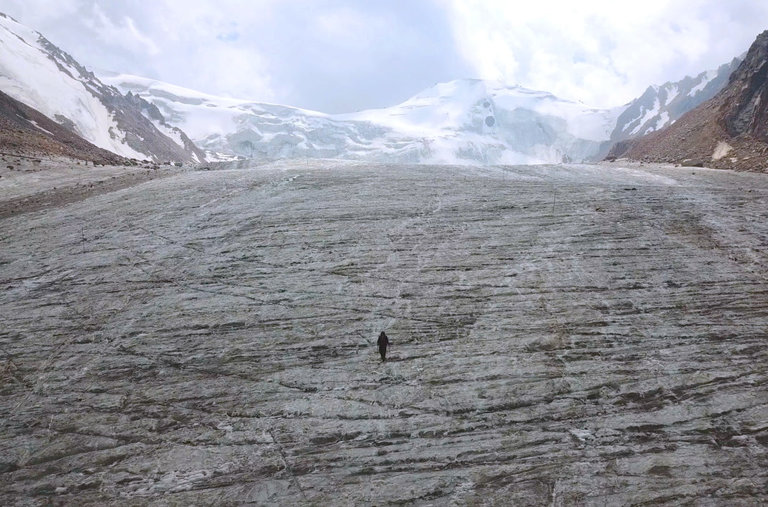
In the grand tapestry of our planet’s climate system, glaciers are monumental sentinels that chronicle thousands of years of environmental history. The sight of these towering ice formations evokes a profound sense of wonder and reverence. Yet, beneath the alluring surface of this frozen wilderness lies a precarious truth that is garnering increasing concern—melting glaciers are not merely a stunning natural phenomenon; they are harbingers of ecological peril. As temperatures rise, these ancient structures succumb to the inexorable march of climate change. The spectacle of glacial melt, often perceived as an emblem of environmental change, is thus steeped in a far more insidious narrative: the release of toxic chemicals long entombed within the ice.
The allure of glaciers extends beyond their breathtaking beauty; they captivate our imagination with their sheer magnitude and historical significance. Glaciers have shaped our landscapes and ecosystems, their slow, relentless advances carving valleys and nurturing diverse habitats over millennia. For many, these massive icefields symbolize the integrity of Earth’s climate system. Yet, this very integrity is now at stake. The stark reality is that as glaciers melt, they not only contribute to rising sea levels but also release a cocktail of contaminants that can have dire implications for both environmental and human health.
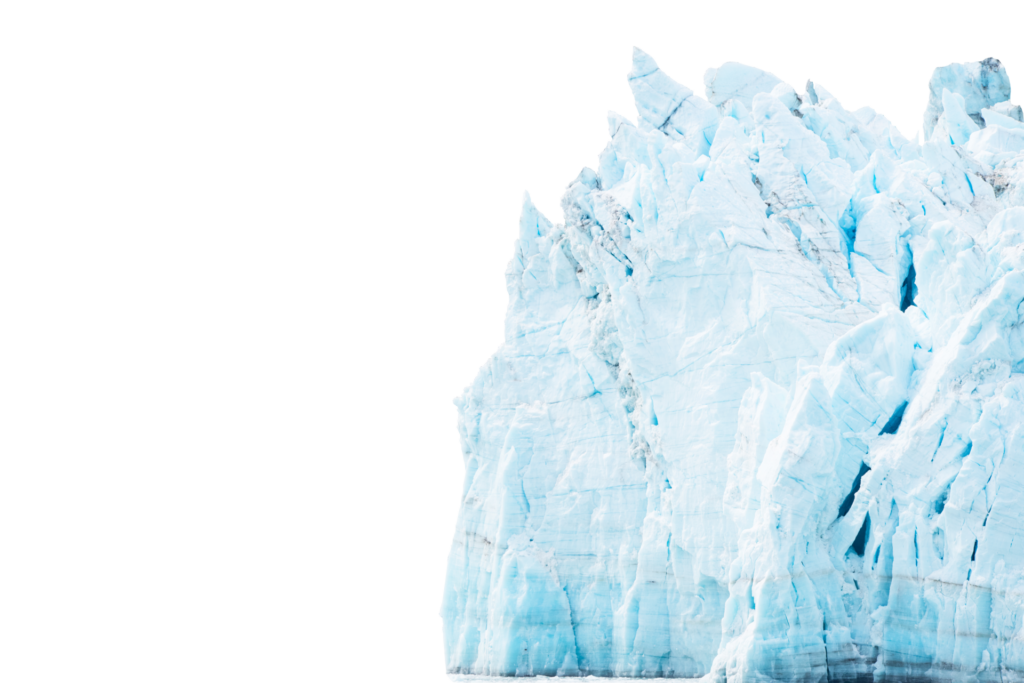
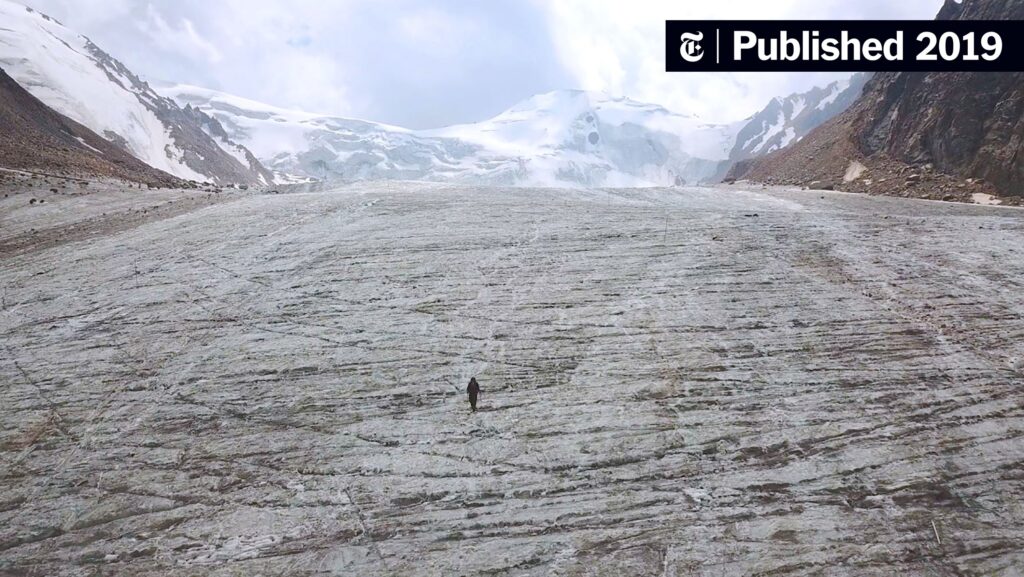
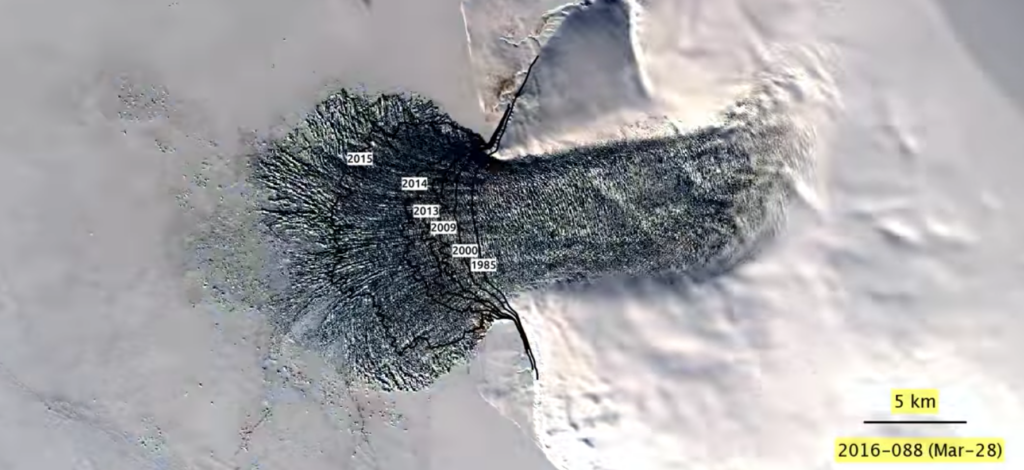
The phenomenon of glacial melt is primarily driven by two interlinked processes: global warming and climate variability. The Earth’s average temperature is on an upward trajectory, fueled by the relentless emissions of greenhouse gases. As temperatures climb, glaciers around the globe—particularly in regions like the Arctic, the Andes, and the Himalayas—begin to melt at an accelerated pace. This process is visually evident, with breathtaking images capturing the sheer volume of ice that has vanished within mere decades. Beneath this dramatic transformation lies a critical concern: the release of frozen toxic chemicals, remnants of industrial activity and environmental calamities long ago.
To comprehend the gravity of this issue, one must delve into the history of pollutants that have become ensconced in glaciers. Over the decades, our industrial practices have unleashed a barrage of harmful substances into the environment. Persistent organic pollutants (POPs), heavy metals, and microplastics are just a few of the substances that have been inadvertently incorporated into glacial ice. These contaminants, often transported over vast distances by wind and water, find their way into the frozen fabric of glaciers, where they remain ensnared for decades—sometimes even centuries.
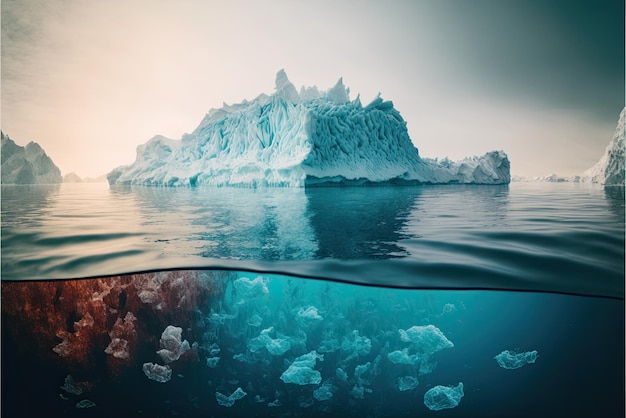
However, as the climate warms and glaciers disintegrate, the entombed toxins are liberated. The impact of this unceremonious release is manifold: pollutants can make their way into nearby water systems, affecting aquatic ecosystems and, subsequently, human populations that rely on these water sources. Heavy metals, such as lead and mercury, can leach into rivers and lakes, bioaccumulating in fish and other organisms, ultimately entering the human food chain. Moreover, the proliferation of microplastics—tiny plastic particles that have infiltrated virtually every environment—further compounds this crisis, as they too are found in ice cores pulled from glaciers.
The ripple effects of glacial melting extend beyond immediate ecological concerns. The communities that inhabit regions surrounding these glaciers often depend on glacial meltwater for agriculture, drinking water, and electricity production. With the ongoing decline of glaciers, these essential water sources are becoming increasingly unreliable, challenging the livelihoods of entire populations. The sociopolitical implications are stark; water scarcity can exacerbate tensions, corruption, and resource conflicts, disproportionately affecting vulnerable communities who have contributed the least to the climate crisis.
Interestingly, the fascination with glaciers often masks the dire implications of their demise. People are drawn to the ethereal beauty of these icy realms, yet few consider the profound consequences that accompany their melting. The glacial landscape serves as a poignant reminder of our civilization’s transient relationship with nature. As the glaciers recede, we are confronted with an uncomfortable truth: we are witnessing a profound transformation of our planet’s ecosystem, the ramifications of which extend well beyond the immediate horizon.
The urgency of addressing this multifaceted crisis cannot be overstated. While raising awareness about climate change and its effects on glaciers is a critical first step, it is only a part of the broader narrative. The push for meaningful environmental policies must incorporate robust regulations targeting pollution, proactive measures to mitigate climate change, and comprehensive strategies for sustainable resource management. This includes transitioning to renewable energy sources, enhancing waste treatment facilities to curb industrial discharge, and instituting stringent regulations on substances that pose a risk to our ecosystems.
In our quest to grasp the ecological tapestry we inhabit, we must recognize that the melting of glaciers is not solely a testament to climate change; it is a clarion call to action. As stewards of this planet, we bear a collective responsibility to confront the truths hidden beneath the azure ice and to take decisive steps toward a sustainable future. The cascading effects of glacial melt compel us to build stronger, more resilient societies that can adapt to an increasingly chaotic climate while safeguarding our environments and the diverse life forms that depend on them.
In conclusion, the story of melting glaciers is layered with complicated narratives of beauty, loss, and responsibility. The enchanting allure of glacial landscapes belies the complex and often troubling realities concealed within their depths. As we navigate the consequences of a warming world, it is imperative to foster an informed and proactive dialogue that embraces both our awe for these natural wonders and the urgent need for robust action in the face of deepening ecological crises. Our future depends on it.




Leave a Comment