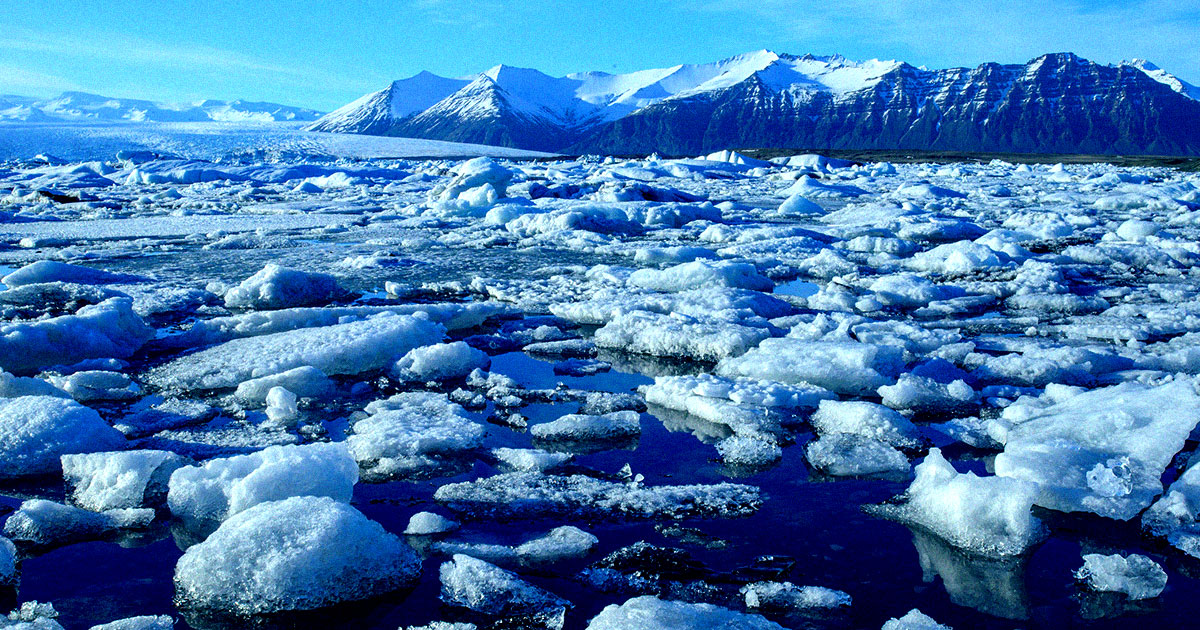
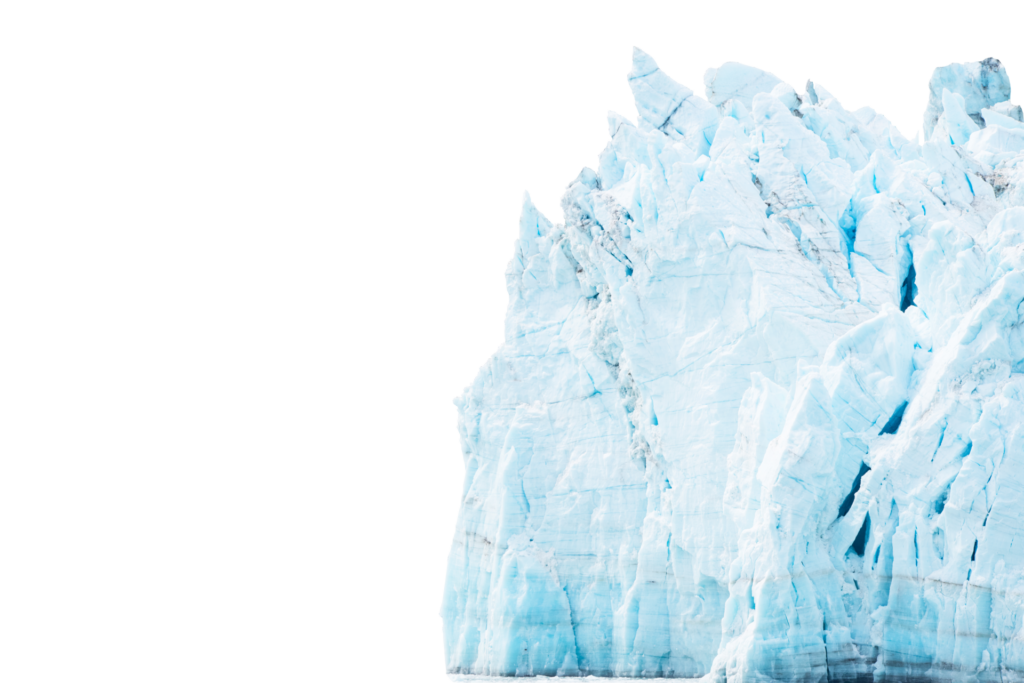
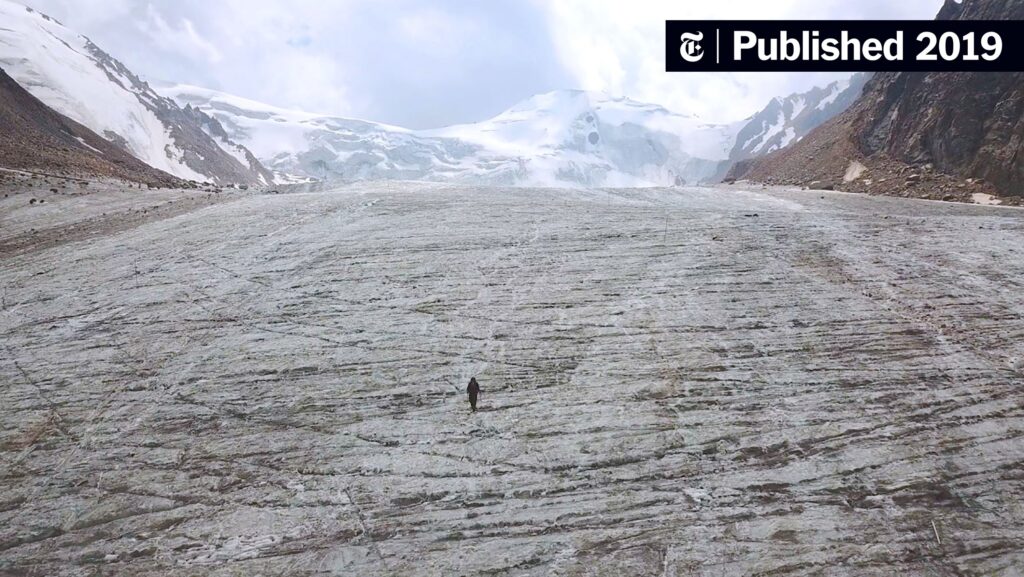
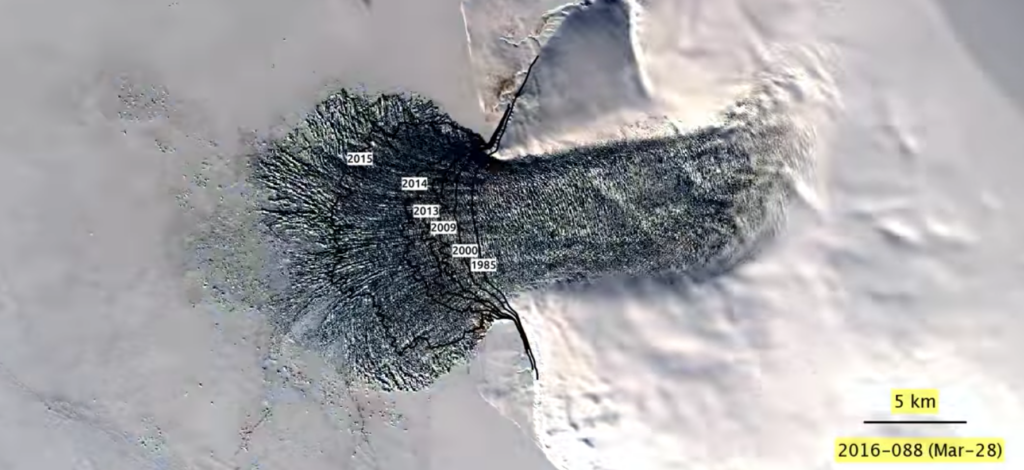
As the planet wrestles with the profound impacts of climate change, the spectacle of melting glaciers stands as one of its most disconcerting manifestations. For decades, these majestic ice formations, once seen as immutable sentinels of our earth’s history, have begun a slow, inexorable retreat. However, beyond the immediate loss of their breathtaking beauty, lies a hidden threat—one that is causing alarm among scientists and environmentalists alike. This looming peril stems from the staggering quantities of methane gas, an insidious greenhouse gas, that are being released into the atmosphere as ice sheets melt and permafrost thaws. Understanding this phenomenon is not merely an academic exercise; it is crucial for framing our responses to climate change.
Methane emissions from melting glaciers might appear to be an obscure subject, yet they play a pivotal role in exacerbating global warming. Methane, while far less abundant in the atmosphere than carbon dioxide, possesses a potency that is alarming. Studies indicate that methane is over twenty-five times more effective than carbon dioxide at trapping heat over a span of 100 years. As glaciers and permafrost recede, they expose ancient soils and organic matter trapped for millennia. This organic material, once dormant, is now encountering oxygen—prompting a biological decomposition that releases methane into the air. What unfolds is a troubling feedback loop; as more methane is released, the planet warms further, prompting more emissions—a vicious cycle indeed.
It is essential to delve deeper into the science behind this process. The decomposition of organic matter in anaerobic conditions, which are prevalent in frozen landscapes, leads to the production of methane. Therefore, as glaciers destabilize and recede, the areas that were once sealed beneath ice become hotspots for microbial activity. These microbes, thriving in the newly available environments, metabolize the organic carbon and, in doing so, produce methane. This is not just a regional concern; the implications reverberate globally, seeking to transcend the confines of mere local ecosystems.
The timeframe for these events is startlingly short. According to recent research, significant methane emissions are already being observed in regions such as the Arctic. The alarming rate at which glaciers are melting suggests that, by mid-century, we may witness a substantial increase in atmospheric methane levels. This urgency calls upon policymakers, environmental activists, and ordinary citizens alike to reimagine the discourse surrounding climate reality. Addressing methane emissions generated from melting glaciers isn’t merely an environmental issue; it is intertwined with economic, political, and social dimensions.
One must consider the implications for ecosystems and human communities that are reliant on glacial systems. Many people in various parts of the world depend on glacial meltwater for agriculture and drinking supplies, particularly in regions like the Andes or Himalayas. As glaciers vanish, the subsequent reduction of freshwater availability could precipitate wider destabilization, triggering conflicts over resources. Furthermore, as coastal areas become inundated, communities face displacement, leading to a societal ripple effect that extends far beyond mere geography.
In re-evaluating our approach, a multifaceted response is paramount. Mitigating methane emissions requires a concerted effort across scientific disciplines, industries, and governance structures. Research initiatives aimed at better understanding methane release mechanisms must be prioritized, paving the way for more effective response strategies. Utilizing technological innovations to capture methane—through methods such as ‘methane digesters’—may provide a pathway to both reduce emissions and create energy resources. These innovations are imperative in tackling the dual issues of climate change and energy security.
Moreover, elevating public awareness about the relationship between melting glaciers and methane emissions is crucial. Education campaigns can foster a more informed citizenry, which in turn could exert pressure on local and national leaders to adopt environmentally responsible policies. People are moved to action when they recognize the tangible, existential threats posed by climate change. By framing methane emissions as a critical component of climate change discourse, we can ensure that communities engage with the issue from a place of urgency and purpose.
Despite the disquieting narrative surrounding methane emissions, some reasons for hope persist. Global frameworks, such as the Paris Agreement, reflect a growing consensus around the necessity for emissions reduction. Additionally, grassroots movements advocating for renewable energies can prompt systemic changes that address methane at its source. Resilience and adaptation strategies, too, should be informed by the latest scientific findings regarding methane release from melting glaciers.
In conclusion, the narrative of melting glaciers is far more than a lamentation for the loss of beauty; it is a clarion call to recognize a hidden threat in the form of methane emissions. The cascading consequences of this phenomenon pose a significant challenge, demanding urgent attention and innovative solutions. As society grapples with the intersections of climate, community, and policy, an integrated approach to tackling methane emissions could redefine our trajectory in the fight against climate change. The ice is melting, but it can also serve as a catalyst for change—a stark reminder that the planet’s health rests in our hands.




Leave a Comment