Pronunciation is often a subtle art, a precise dance of syllables that can define not only the correctness of a word but also the speaker’s fluency and confidence in a language. One such term that frequently trips up both native and non-native English speakers alike is “glacier.” This seemingly straightforward word challenges many with its unique pronunciation, and yet, it holds an evocative beauty in its sound and meaning. How does one articulate it correctly, and why does it matter? Let us unravel this linguistic enigma together.
The etymological roots of the word “glacier” stem from the French word “glace,” meaning ice. This heritage underpins the word’s significant connection to the natural world, as glaciers are massive, slow-moving bodies of ice that speak to Earth’s climate history. They are not mere geographical formations; they are vital indicators of climate change and the delicate balance of our ecosystem. Thus, understanding how to pronounce “glacier” is not only about linguistic accuracy but also about fostering a deeper relationship with the environmental issues at hand.
So, how do you pronounce “glacier”? The standard phonetic pronunciation is /ˈɡleɪʃər/. It can be dissected into two predominant syllables: “glay” followed by “shur.” This may seem simple, yet for many, the challenge lies in the first syllable. Is it “glay” or “gla”? The answer, intricately tied to regional accents and variations, can sometimes create confusion.
Let’s consider an interesting challenge: how often do we unknowingly mispronounce words we encounter in conversations about our planet? Imagine discussing climate change, biodiversity, or glacial melting, only to stumble over a word as pivotal as “glacier.” This can unwittingly diminish the impact of your message. Thus, mastering the pronunciation becomes more than just an exercise in phonetics—it transforms into a means of effective communication, essential for environmental advocacy.
One reason why “glacier” may pose a hurdle is that its pronunciation can vary slightly across different English-speaking regions. In American English, the preferred pronunciation sounds like “GLAY-shur.” In contrast, British English sometimes favors the subtlety of “GLA-si-er,” where the “i” sound softens markedly. This divergence is a quintessential example of the rich tapestry of the English language and its various dialects.
To hone your articulation of “glacier,” consider the phonetic breakdown: Start by pronouncing the “glay” with a strong emphasis on the “ay” sound, akin to the word “play.” Follow this with “shur,” where the “sh” sound glides seamlessly into the “er.” Practice it in sentences for greater context, such as: “The glacier slowly recedes in the warming climate.” This not only reinforces your pronunciation but also contextualizes the importance of glaciers within environmental discussions.
To further develop your skills, engage in some playful practice. Imagine you are a glaciologist, tasked with delivering a pivotal presentation on the effects of climate change on glaciers. Use this scenario to articulate your message clearly: “The rapid melting of glaciers is a harbinger of climate change that we can no longer ignore.” Notice how the word “glacier” fits naturally within the flow of your communication, significantly enhancing the gravitas of your analysis.
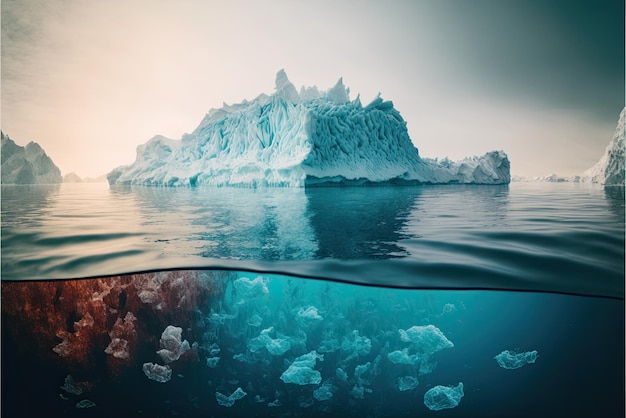
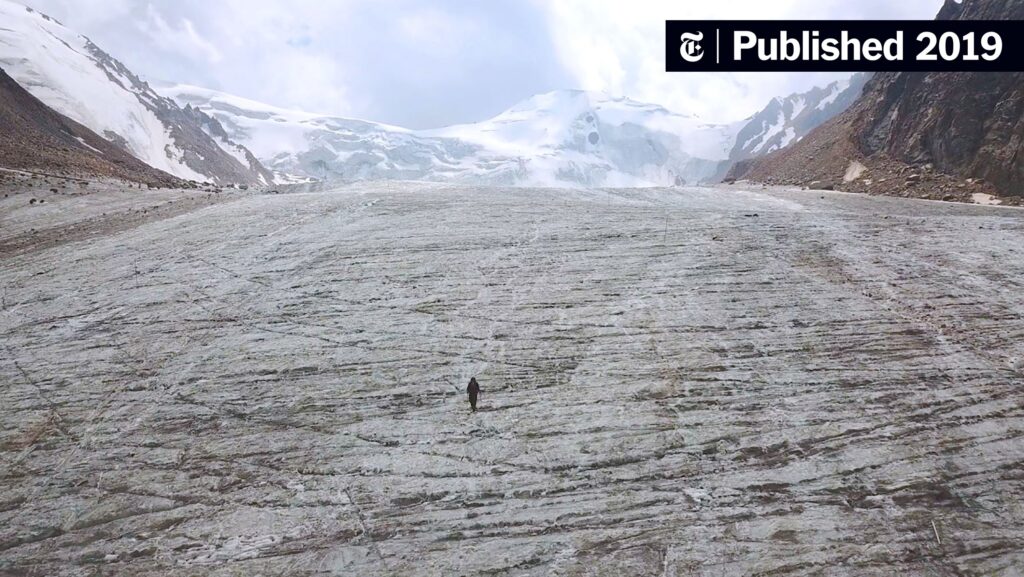
What about the emotional resonance of the word “glacier”? Beyond its phonetic construction, this term evokes images of majestic icy landscapes, the serene stillness of the Arctic, and the creeping shadows of climate change. It encapsulates the sheer beauty and fragility of our planet. Each time you pronounce “glacier” correctly, you honor not just the word itself, but the profound ecological truths it represents. Thus, the act of learning to pronounce “glacier” descends into a deeper narrative—one of respect for nature and a call to engage with climate issues meaningfully.
As you refine your pronunciation, immerse yourself in the cultural context as well. Explore literature and documentaries that delve into polar exploration or the science of climate change. By surrounding yourself with the sounds and tales of glaciology, you cultivate a sense of intimacy with the subject matter, facilitating a more authentic articulation of the word. Pronunciation becomes less mechanical, transforming into a heartfelt commitment to environmental advocacy.
Personal growth follows upon achieving mastery in pronunciation. For instance, consider joining public speaking clubs or environmental advocacy groups. These platforms provide ample opportunities to practice your pronunciation while raising awareness about crucial ecological issues. Each correct pronunciation of “glacier” not only strengthens your language skills but also empowers you to convey your passion for environmentalism more effectively.
In conclusion, the word “glacier” might initially appear as a trivial hurdle, yet its correct pronunciation weaves into the larger tapestry of communication, advocacy, and respect for our environment. The next time you engage in discussions regarding climate change and glacial melting, let your articulation reflect your dedication to understanding and protecting our planet. Embrace the challenge and transform it into an opportunity for growth and meaningful dialogue. The world eagerly awaits the voices dedicated to preserving the majesty of our glaciers, one correctly pronounced word at a time.




Leave a Comment