
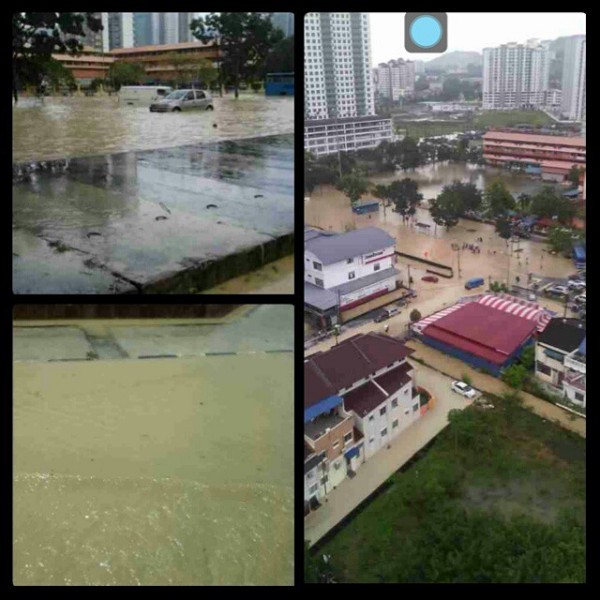
The greenhouse effect traps infrared radiation, and human‑driven increases in greenhouse gases amplify this natural process, creating feedbacks that accelerate global warming and its impacts.
Quick Answer
The greenhouse effect is a natural warming mechanism whereby gases such as carbon dioxide, methane and water vapor absorb infrared radiation emitted by Earth and re‑radiate it back toward the surface. Human activities have raised atmospheric concentrations of these gases, strengthening the effect and trapping additional heat. This extra heat triggers feedback loops—like ice‑albedo loss and permafrost thaw—that further increase warming. While the basic physics is well‑established, uncertainties remain regarding the magnitude of some feedbacks and the timing of potential tipping points.
Key Takeaways
- The greenhouse effect is essential for life, but its intensity is now amplified by anthropogenic emissions.
- Higher concentrations of CO₂, CH₄ and N₂O correlate with a measurable rise in global average temperature since the pre‑industrial era.
- Positive feedbacks—such as reduced ice albedo and methane release from thawing permafrost—can accelerate warming beyond the initial forcing.
- Observations from satellite records, ice cores and long‑term surface stations provide strong, multi‑decadal evidence of these processes.
- Mitigation requires rapid emission cuts, while adaptation must address region‑specific impacts and feedback‑driven risks.
What Is How the Greenhouse Effect Intensifies Climate Change Over Time?
The phrase describes the chain of physical and biogeochemical processes through which increased greenhouse‑gas (GHG) concentrations boost the natural greenhouse effect, leading to higher surface temperatures, which in turn trigger secondary mechanisms that further amplify warming. It encompasses the initial radiative forcing, the climate system’s response, and the feedback loops that operate on timescales from years to centuries. Understanding this concept is crucial because it explains why early emission reductions are far more effective than delayed actions.
How Does It Work?
1. Radiative Balance and Greenhouse Gases
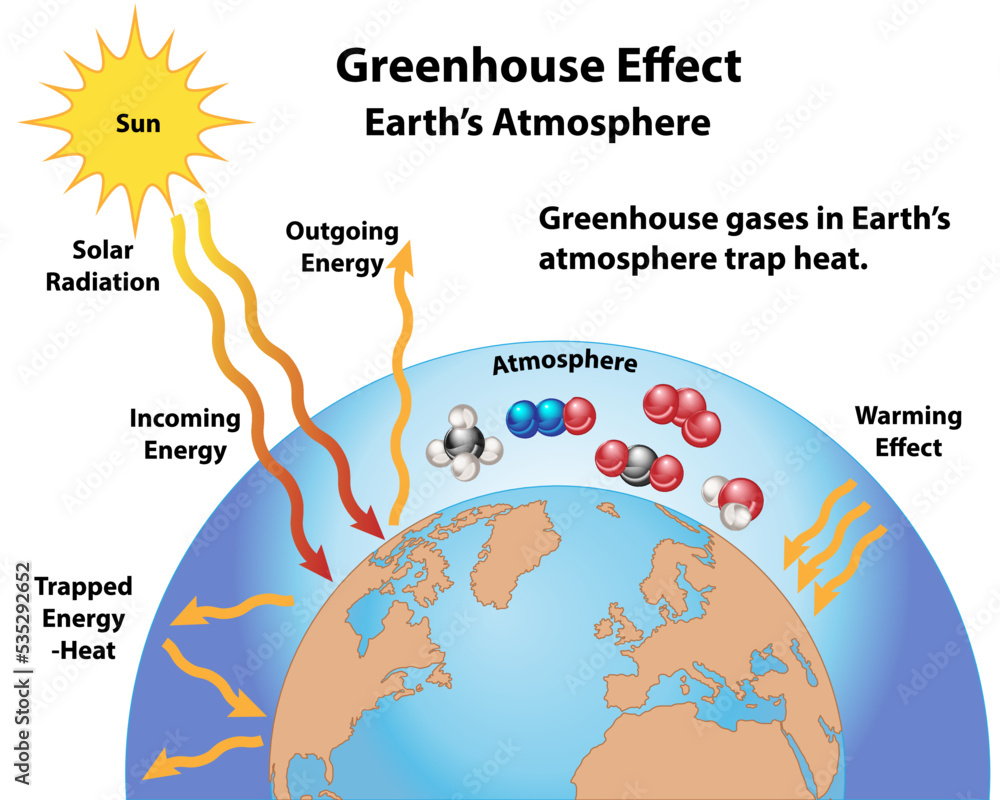
Solar shortwave radiation reaches Earth’s surface, where it is absorbed and re‑emitted as long‑wave infrared (IR) radiation. Greenhouse gases absorb portions of this IR spectrum and re‑emit it in all directions, including back toward the surface, creating a net warming effect. The magnitude of this forcing can be expressed in watts per square metre (W·m⁻²). According to the IPCC Sixth Assessment Report (2021), the combined forcing from CO₂, CH₄, N₂O and fluorinated gases was about +2.8 W·m⁻² relative to pre‑industrial levels.
2. Human‑Driven Increases in GHG Concentrations
Fossil‑fuel combustion, cement production and land‑use change have raised atmospheric CO₂ from roughly 280 ppm in the late 1700s to 418 ppm in 2023 (NOAA Global Monitoring, 2024). Methane increased from 700 ppb to 1,890 ppb over the same period, largely from agriculture, waste and fossil‑fuel extraction. These rises enhance the infrared‑absorbing capacity of the atmosphere, directly increasing the radiative forcing.
3. Positive Feedback Loops
Warming initiates several feedback mechanisms that add further heat to the system:
- Ice‑Albedo Feedback: Melting sea ice and snow expose darker ocean water or land, lowering the planet’s albedo (reflectivity). Lower albedo absorbs more solar energy, amplifying warming. Satellite observations show Arctic sea‑ice extent has declined by about 13 % per decade since 1979 (NASA, 2023).
- Water‑Vapor Feedback: Warmer air holds more water vapor, a potent greenhouse gas. The Clausius‑Clapeyron relation predicts ~7 % more vapor per °C of warming, which roughly doubles the initial forcing from CO₂ alone.
- Permafrost Carbon Release: Thawing permafrost releases stored carbon as CO₂ and methane. A meta‑analysis of field studies (Nature Climate Change, 2022) estimates that permafrost could emit 0.3–1.0 Gt C yr⁻¹ by 2100 under high‑emission scenarios.
- Forest Dieback: Heat stress and drought weaken forests, reducing carbon uptake and potentially turning them into net carbon sources.
4. Timescales and Thresholds
Some feedbacks act quickly (water vapor within days), while others unfold over decades to centuries (permafrost thaw). Thresholds—often called “tipping points”—may exist where a small temperature increase triggers a rapid, irreversible shift, such as the collapse of the Atlantic Meridional Overturning Circulation. The exact location of many thresholds remains uncertain.
What Does the Evidence Show?
Multiple, independent lines of evidence confirm that anthropogenic GHG emissions are the dominant driver of recent warming:
- Instrumental temperature records: Global mean surface temperature rose by ~1.1 °C between 1880 and 2020 (HadCRUT5, 2023).
- Atmospheric composition monitoring: Direct measurements from Mauna Loa and other stations document the steady rise in CO₂, CH₄ and N₂O.
- Paleoclimate reconstructions: Ice‑core data reveal that current CO₂ levels are unprecedented in the past 800,000 years.
- Attribution studies: Detection‑and‑attribution analyses by the IPCC assign >99 % likelihood that human activities caused more than half of the observed warming since 1950.
- Feedback quantification: Earth‑system models consistently reproduce observed warming only when positive feedbacks are included, matching satellite and surface observations.
Main Causes or Drivers
Direct Human Emissions
Burning of coal, oil and natural gas accounts for roughly 75 % of total CO₂ emissions (IEA, 2023). Cement production contributes about 8 %, while land‑use change adds another 5 %.
Underlying Energy and Economic Systems
Industrial economies rely on carbon‑intensive energy infrastructures, and market mechanisms often undervalue the climate cost of emissions, leading to continued fossil‑fuel use.
Amplifying Natural Processes
Natural reservoirs—such as oceans, soils and permafrost—respond to warming by releasing additional GHGs, thereby amplifying the initial human forcing.
Environmental and Human Impacts
Environmental Impacts
Enhanced greenhouse forcing drives sea‑level rise (0.20 m since 1900), increased frequency of extreme heatwaves, shifts in precipitation patterns, and ocean acidification (average surface pH fell from 8.2 to 8.1 since the industrial era). Ecosystem disruptions include coral‑bleaching events and northward migration of species.
Human Health and Social Impacts
Higher temperatures exacerbate heat‑related mortality, especially among the elderly and outdoor workers. Changes in vector‑borne disease ranges (e.g., malaria, dengue) have been linked to warming climates. Food security is threatened by reduced yields in heat‑stressed regions and increased crop failures during droughts.
Economic and Infrastructure Impacts
Extreme weather events cause billions of dollars in damage annually; for example, the United Nations Office for Disaster Risk Reduction estimated $210 billion in losses from climate‑related disasters in 2022 alone. Coastal infrastructure faces chronic inundation, prompting costly adaptation measures.
Regional Differences
Impact magnitude varies with geography:
- Arctic: Warming rates exceed the global average by >2 °C, leading to rapid sea‑ice loss and permafrost degradation.
- Tropical Africa: Projected precipitation declines increase drought risk, threatening agriculture and water supplies.
- Small Island Developing States: Sea‑level rise threatens entire nations; even a 0.5 m rise could render large portions uninhabitable.
- Mid‑latitude Europe: More intense winter storms and heatwaves are expected, affecting energy demand and transport networks.
What Scientists Know With High Confidence
What Scientists Know With High Confidence
- Human activities are the primary cause of the observed increase in atmospheric greenhouse gases since the mid‑20th century.
- Rising concentrations of CO₂, CH₄ and N₂O have increased Earth’s radiative forcing, leading to a measurable rise in global average surface temperature.
- Positive feedbacks such as water‑vapor amplification and ice‑albedo loss intensify the warming signal.
- Observed climate impacts—heatwaves, sea‑level rise, and shifts in precipitation—are consistent with model projections that include enhanced greenhouse forcing.
What Remains Uncertain
What Remains Uncertain
Key uncertainties revolve around the strength and timing of slow feedbacks, especially carbon release from permafrost and deep‑ocean reservoirs. Model representations of cloud feedbacks also vary, producing a spread of projected warming for a given emissions pathway. These gaps affect estimates of when specific tipping points might be crossed, but they do not undermine the overall conclusion that the enhanced greenhouse effect drives ongoing climate change.
Common Misconceptions
Common Misconceptions
Misconception: The greenhouse effect is “bad” and should be eliminated.
Reality: The natural greenhouse effect keeps Earth’s average temperature around 15 °C, which is essential for liquid water and life. The problem is the anthropogenic amplification that adds excess heat.
Misconception: Only carbon dioxide matters for warming.
Reality: While CO₂ is the largest long‑lived GHG, methane, nitrous oxide and water vapor each contribute substantially to total radiative forcing, especially through feedback processes.
Misconception: Individual lifestyle changes can stop climate change on their own.
Reality: Personal actions (e.g., energy‑efficient homes, reduced meat consumption) lower one’s carbon footprint, but systemic change—policy, infrastructure, and industrial transformation—is required to achieve the scale of emission reductions needed.
Solutions and Limitations
Effective responses combine mitigation (reducing GHG sources) and adaptation (preparing for unavoidable impacts). Major strategies include:
- Rapid decarbonisation of energy: Shifting from coal and oil to wind, solar and nuclear can cut CO₂ emissions dramatically. Limitations involve intermittent supply, material demand for renewables and the need for grid upgrades.
- Carbon capture, utilization and storage (CCUS): Capturing CO₂ from point sources and storing it underground can offset emissions where reduction is hard. High capital costs and long‑term monitoring requirements limit deployment.
- Nature‑based solutions: Restoring wetlands, afforesting degraded lands and protecting mangroves sequester carbon while delivering co‑benefits for biodiversity. Land‑competition and permanence concerns (e.g., fire risk) must be managed.
- Adaptation infrastructure: Building sea walls, improving water‑storage capacity and redesigning cities for heat resilience reduce vulnerability. Such measures can be expensive and may create new environmental impacts if not carefully planned.
What Individuals, Communities, and Governments Can Do
What Individuals Can Do
Choose low‑carbon transportation (public transit, cycling), improve home energy efficiency, and support policies that promote renewable energy. Reducing food waste and shifting toward plant‑based diets can lower personal GHG footprints.
What Communities and Organizations Can Do
Implement local renewable projects, create green infrastructure (urban trees, permeable surfaces) and develop community climate‑action plans that address local vulnerabilities.
What Governments Can Do
Enact carbon pricing, set ambitious net‑zero targets, invest in research and deployment of clean technologies, and enforce building codes that improve energy performance. International cooperation—through the UN Framework Convention on Climate Change—remains essential for coordinated mitigation.
Synthesis
The greenhouse effect is a natural and necessary planetary process; however, human‑induced increases in greenhouse gases have amplified it, creating a cascade of feedbacks that accelerate warming. Robust observations and model simulations provide high confidence in the core mechanisms, while uncertainties focus on the magnitude of slower feedbacks and future tipping points. Effective action requires swift emission cuts, strategic deployment of mitigation technologies, and resilient adaptation measures that respect regional differences and equity considerations. By understanding the science and acting collectively, societies can limit the most dangerous outcomes of an intensifying greenhouse effect.
Frequently Asked Questions
What is the greenhouse effect and why is it important?
The greenhouse effect is the process by which gases like CO₂, methane and water vapor absorb infrared radiation emitted by Earth and re‑radiate it back, keeping the planet warm enough for life. It is important because it regulates Earth’s temperature, and when amplified by human emissions it drives global warming.
How do human activities amplify the greenhouse effect?
Human activities such as burning fossil fuels, cement production and deforestation increase atmospheric concentrations of greenhouse gases. Higher concentrations trap more infrared radiation, strengthening the natural greenhouse effect and adding extra heat to the climate system.
What are the main feedback loops that intensify warming?
Key positive feedbacks include ice‑albedo loss (melting ice exposes darker surfaces that absorb more sunlight), water‑vapor amplification (warmer air holds more water vapor, a potent greenhouse gas), permafrost thaw releasing CO₂ and methane, and forest dieback reducing carbon uptake.
Which impacts of an intensified greenhouse effect are most certain?
High‑confidence impacts include a rise in global average surface temperature, sea‑level rise, more frequent heatwaves, shifts in precipitation patterns, and ocean acidification. These are supported by long‑term temperature records, satellite observations and multiple assessment reports.
What actions can governments take to limit greenhouse‑gas driven warming?
Governments can set and enforce carbon‑pricing mechanisms, adopt net‑zero emissions targets, invest in renewable energy and clean‑technology research, upgrade building codes for energy efficiency, and cooperate internationally through frameworks like the UNFCCC.





Leave a Comment