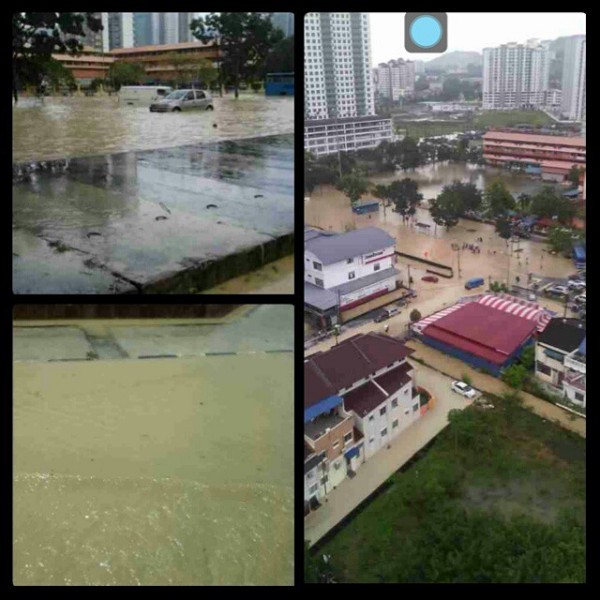
At the dawn of the 21st century, the Earth has donned a veil, a gossamer shroud that both reveals and conceals its myriad wonders. This veil, known as the greenhouse effect, is a double-edged sword, pivotal to sustaining life, yet increasingly perilous as it accelerates climate change. As we traverse the intricate landscape of this phenomenon, we must cultivate an understanding of its mechanisms, implications, and the urgency of our response.
To grasp the essence of the greenhouse effect, one must first visualize the Earth as a grand amphitheater, enveloped by curtains of gas. These gases, primarily carbon dioxide (CO2), methane (CH4), and nitrous oxide (N2O), act as the theater’s walls, allowing sunlight to slip in yet constraining the warmth that radiates from within. This delicate equilibrium is essential; without it, our planet would resemble a desolate orb, frigid and inhospitable.
However, as humanity continues its relentless quest for progress, we unwittingly augment the very gases that sustain this balance. The combustion of fossil fuels, deforestation, and industrial processes serve as the orchestra, playing an ever-louder symphony of emissions. As these gases accumulate, they thicken the atmospheric curtain, trapping more heat and altering the climatic score of our planet.
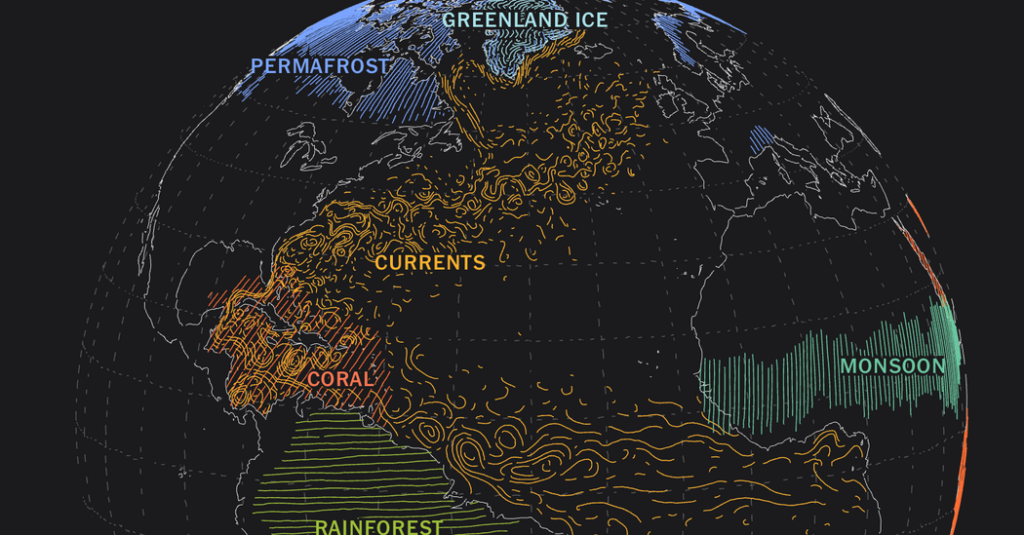
The crux of this narrative lies in understanding how this augmentation disrupts the biophysical systems that govern our weather patterns. Just as a maestro influences the tempo of an orchestra, greenhouse gases dictate the rhythm of our climate. As concentrations of CO2 rise—a testament to our industrial activities—the Earth’s average temperature also climbs. This warming is not merely an abstract statistic; it manifests as unprecedented heatwaves, erratic storms, and rising sea levels, which punctuate the landscape of our daily lives.
A poignant illustration of this shift is the staggering increase in global temperatures over the past century. The historical temperature recordings bear witness to an insidious trend: a gradual but inexorable rise that has surpassed any variations observed over millennia. The instruments of science, employed meticulously, have unveiled the alarming correlation between human activity and this climatic upheaval.
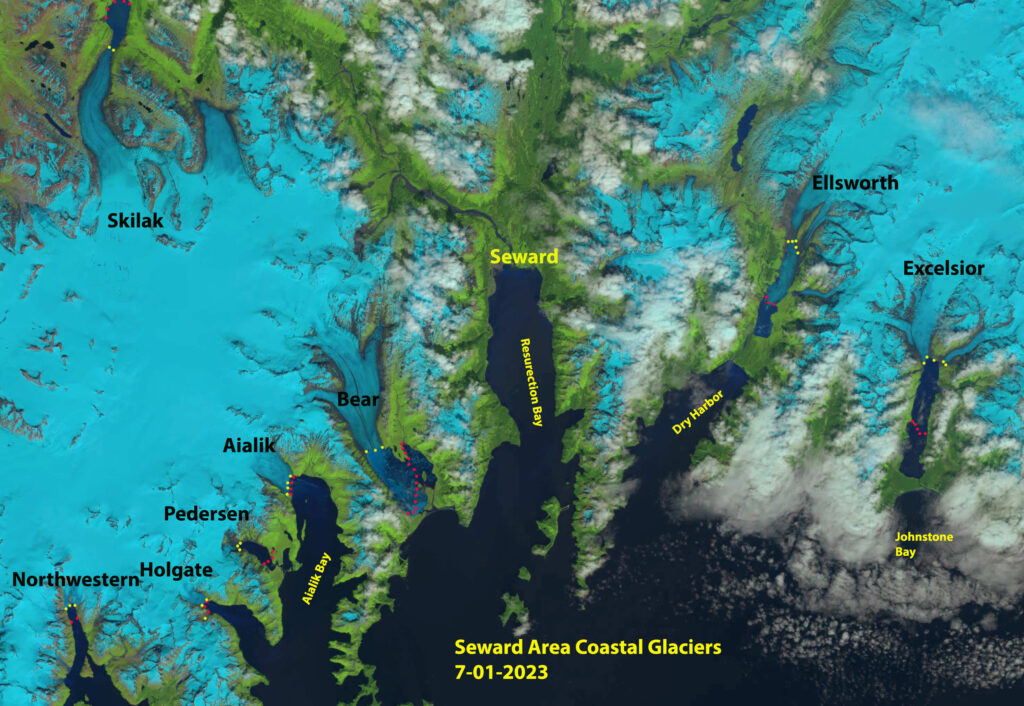
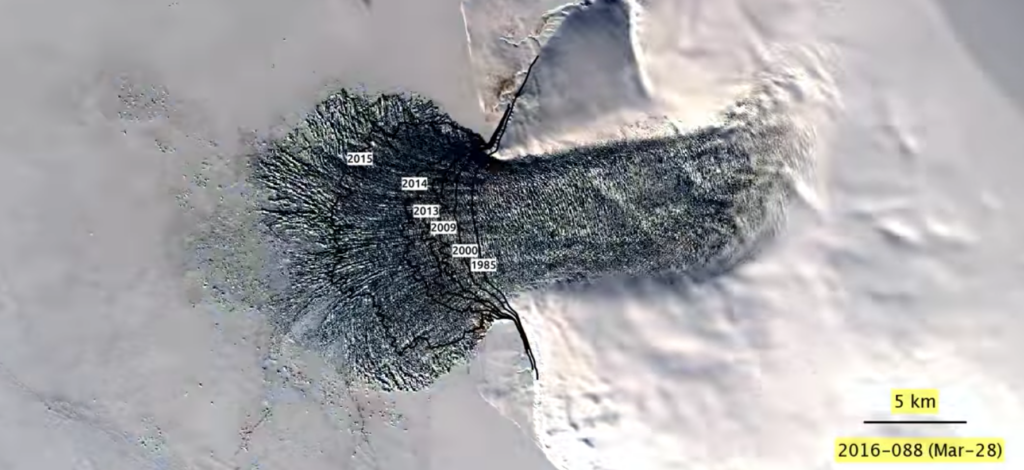
Moreover, the repercussions of climate change extend beyond mere numbers; they ripple through ecosystems and societies, producing effects that resonate deeply within the human experience. Take, for instance, the phenomenon of glacial melt. The towering icebergs that once stood as sentinels of time are now retreating, their grandeur diminished, sending torrents of fresh water into the sea. This process, akin to the losing notes of a solemn requiem, contributes to the rising tides that threaten coastal communities worldwide.
In parallel, the effects of climate change reverberate through the agricultural tapestry of the planet. Shifts in temperature and precipitation patterns challenge food security, jeopardizing the delicate balance that farmers painstakingly cultivate. Crops that once thrived in certain climates are now subjected to unfamiliar conditions, with droughts and floods becoming the unexpected protagonists in the story of food production. This upheaval not only threatens the livelihoods of farmers but potentially jeopardizes the sustenance of billions.
As we scrutinize this unfolding drama, it is imperative to recognize that climate change is not an isolated saga; it is interwoven with complex social narratives. Marginalized communities, often the least responsible for emissions, disproportionately bear the brunt of environmental degradation. In regions already vulnerable due to economic or social inequities, the impacts of climate change exacerbate existing struggles. Natural disasters no longer discriminate based on socioeconomic status; their devastation is a stark reminder of our collective responsibility.
Yet, amidst this narrative of woe, there lies a glimmer of hope. The acknowledgment of the greenhouse effect’s role in climate change propels a movement towards sustainability and innovation. Just as a phoenix rises from the ashes, we have the capacity to metamorphose our energy systems. Transitioning to renewable energy sources—solar, wind, and hydro—offers a beacon in this cloudy landscape. By reducing our dependence on fossil fuels, we can begin to unravel the tangled threads of greenhouse gas emissions.
Moreover, educators and activists rallying for ecological stewardship inspire a new generation to engage with environmental issues. Initiatives promoting reforestation, conservation, and sustainable agriculture highlight the significance of nurturing our planet. These movements cultivate awareness, fostering a collective consciousness that recognizes our interconnectedness with the natural world.
Nevertheless, the path forward is fraught with challenges that require resilience and determination. The inertia of established practices and political landscapes can hinder progress. Yet, the dialogue surrounding climate action is evolving; it is becoming increasingly inclusive, drawing in diverse voices from indigenous communities to urban youth. This confluence of perspectives is essential in crafting holistic solutions that address the myriad facets of the climate crisis.
As we reflect on the greenhouse effect and its ramifications, let us remember that pulling back the curtain is not merely an act of unveiling the problem; it is an invitation to engage in collective action. Each of us has a role to play—a captivating chapter yet to be written in the narrative of our planet. Through conscious choices, advocacy, and solidarity, we can weave a new story, one that transcends despair and embraces the potential for regeneration. In this pivotal moment, let us choose to be the custodians of our shared home, safeguarding its future for generations yet unborn.







Leave a Comment