The narrative of our planet’s climate is one of profound transformation, particularly when we examine the trajectory of Earth’s surface temperature over the last century. The increment in global temperatures since 1900 is not just a graph on a wall; it is an urgent symbol of changing environmental paradigms that necessitate our attention and understanding.
One cannot overlook the urgency embedded within the statistics. Since the dawn of the 20th century, Earth has warmed by approximately 1.2 degrees Celsius. While this figure might initially appear trivial, its implications are anything but. This slight uptick signals the destabilization of intricate climatic systems that have evolved over millennia; a situation alarmingly corroborated by the overwhelming scientific consensus.
Understanding this phenomenon requires delving into the multiple factors that have contributed to this atmospheric perturbation. The primary driver, undeniably, has been anthropogenic emissions of greenhouse gases. Carbon dioxide (CO2) and methane (CH4) have reached unprecedented levels, primarily due to fossil fuel combustion, deforestation, and various agricultural practices, creating a potent blanket that traps heat in the troposphere.
Furthermore, the interplay between natural phenomena and human activity has exacerbated this warming effect. While volcanic eruptions and solar variability contribute to climate fluctuations, the magnitude of current changes cannot be attributed to these natural sources alone. Over the last century, human influence has become the predominant force shaping the climate narrative.
This changing temperature landscape manifests in a plethora of environmental consequences. Polar ice caps are receding, sea levels are ascendant, and ecosystems are teetering on the brink of irreversible change. The Arctic region, once a bastion of resilience, has shown alarming rates of ice melt. Since 1979, Arctic sea ice extent has declined by approximately 40%. This loss is not isolated; it reverberates throughout global climate systems, influencing weather patterns, ocean currents, and biodiversity.
Observing the weather patterns reflects the underlying changes taking place. Anomalous temperature spikes, unprecedented storm intensity, and prolonged droughts exemplify an altered atmospheric equilibrium. For instance, the frequency of extreme weather events has surged, with hurricanes gaining momentum and wildfires becoming more devastating. These occurrences extend beyond mere statistics; they affect communities, livelihoods, and, ultimately, the fabric of society.
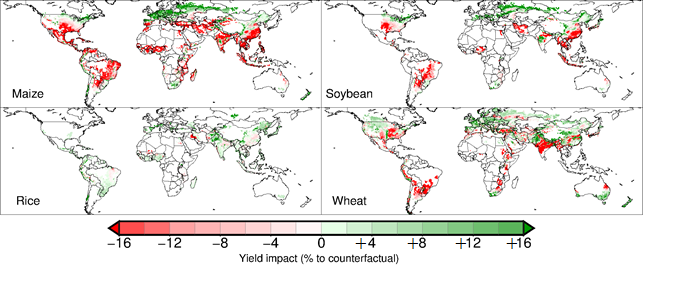
The socio-economic ramifications are equally dire. Warming temperatures and resultant environmental degradation disproportionately impact marginalized populations who lack the resources to adapt to the changes. Agriculture faces mounting challenges. With fluctuating climate conditions, crop yields have become unpredictable. This uncertainty threatens food security, leading to potential crises that could ripple through local and global economies.
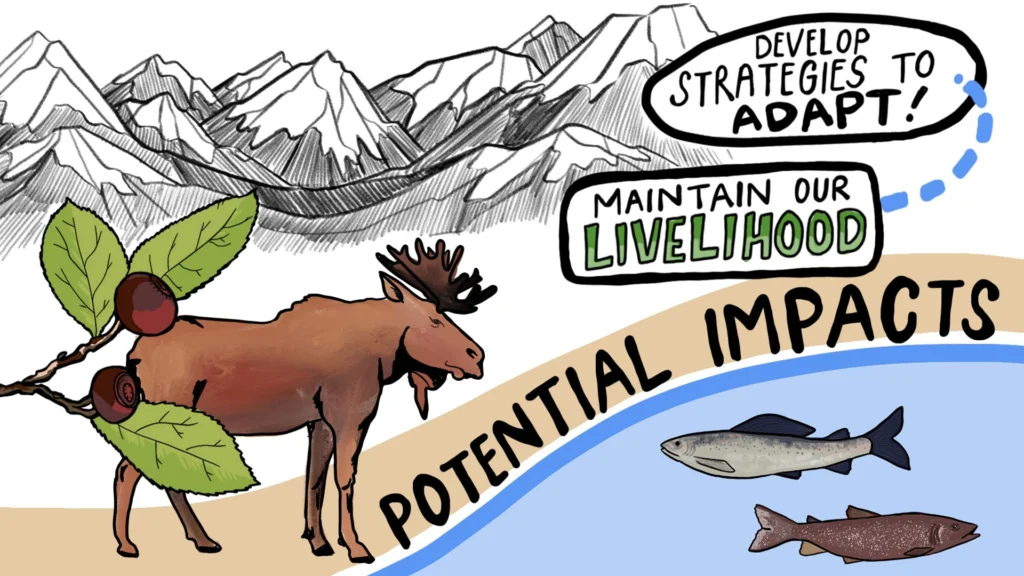
In a world where climate change is increasingly viewed through an interdisciplinary lens, understanding its cultural dimensions adds another layer of complexity. Indigenous communities, often attuned to their environments, are experiencing the impacts of climate change in profound ways. Their traditional knowledge systems, which have coexisted with nature for generations, face an existential threat. As ecosystems shift, so too do their cultural identities, forcing a re-evaluation of human-nature relationships.
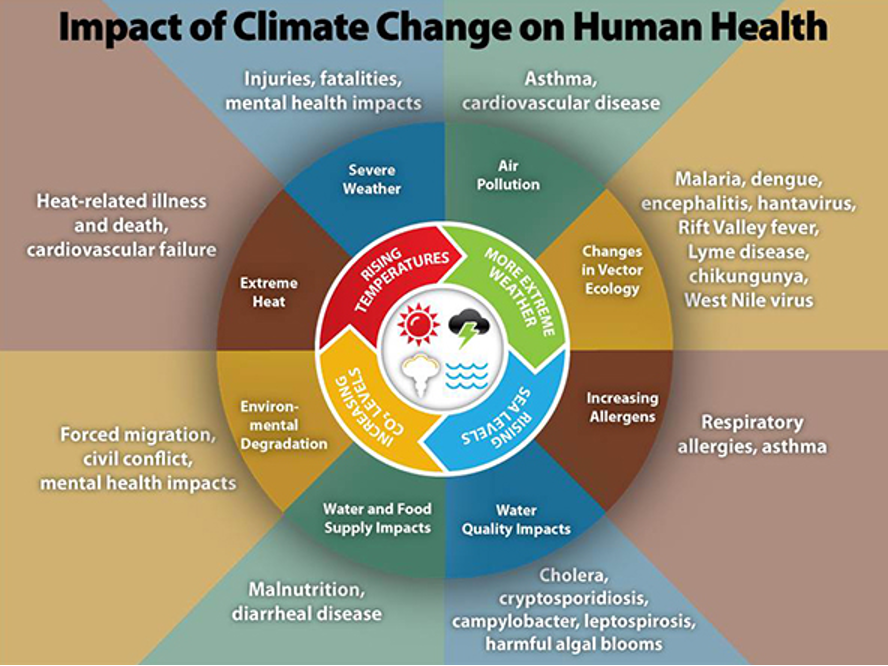
Moreover, the nexus between climate change and public health cannot be underestimated. Heatwaves, air quality deterioration, and the spread of vector-borne diseases are emerging as significant public health threats. Vulnerable populations, particularly the elderly and those with pre-existing conditions, face augmented risks. Adaptation strategies must incorporate health considerations alongside environmental policies to safeguard future generations.
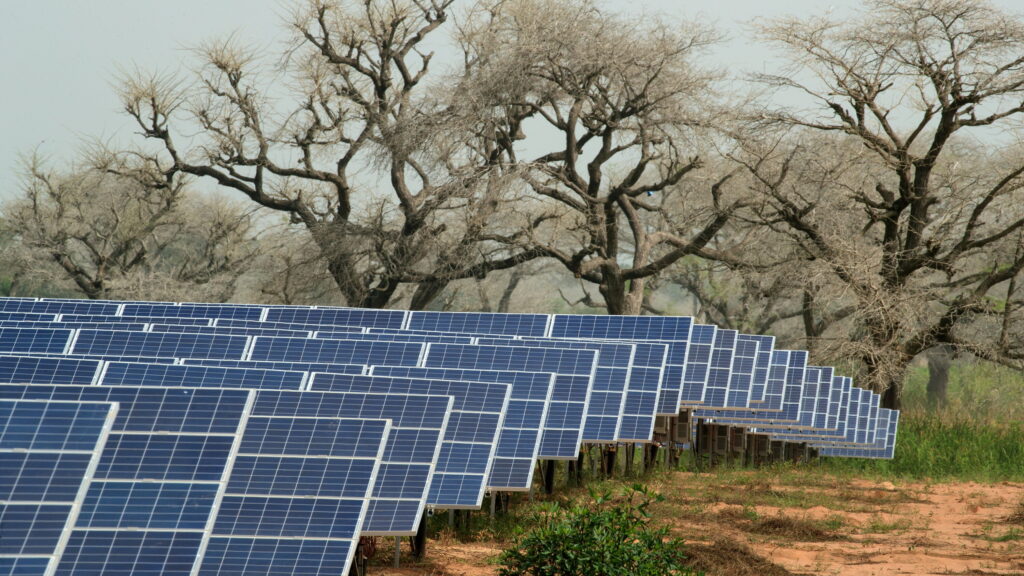
Despite the bleak outlook, there lies a sliver of optimism. The collective acknowledgment of climate change has galvanized a movement towards sustainable practices. Renewable energy production, waste reduction initiatives, and calls for regulatory change are garnering momentum. The transition from fossil fuels to cleaner alternatives, while fraught with challenges, presents an opportunity for innovation and a sustainable future.
Furthermore, educational initiatives are crucial for fostering a socio-political environment conducive to climate action. Engaging younger generations in environmental stewardship instills a sense of responsibility and empowerment. Advocacy for robust climate policies hinges not only on scientific literacy but also on ethical considerations, urging societies to confront their moral obligations to the planet and its inhabitants.
In summary, the narrative of Earth’s increasing temperature since 1900 is not merely a chronicle of change but a clarion call for action. The alterations in our climate demand an interdisciplinary approach, embracing scientific innovation, cultural insights, and socio-economic strategies. Acknowledging the complexities of this issue compels us to confront our collective role in shaping the future of our planet. While the challenges are formidable, the potential for transformative change offers a path forward. It is imperative that each of us takes a stand, recognizing that the narrative of climate change is one we are all writing, one day at a time.






Leave a Comment