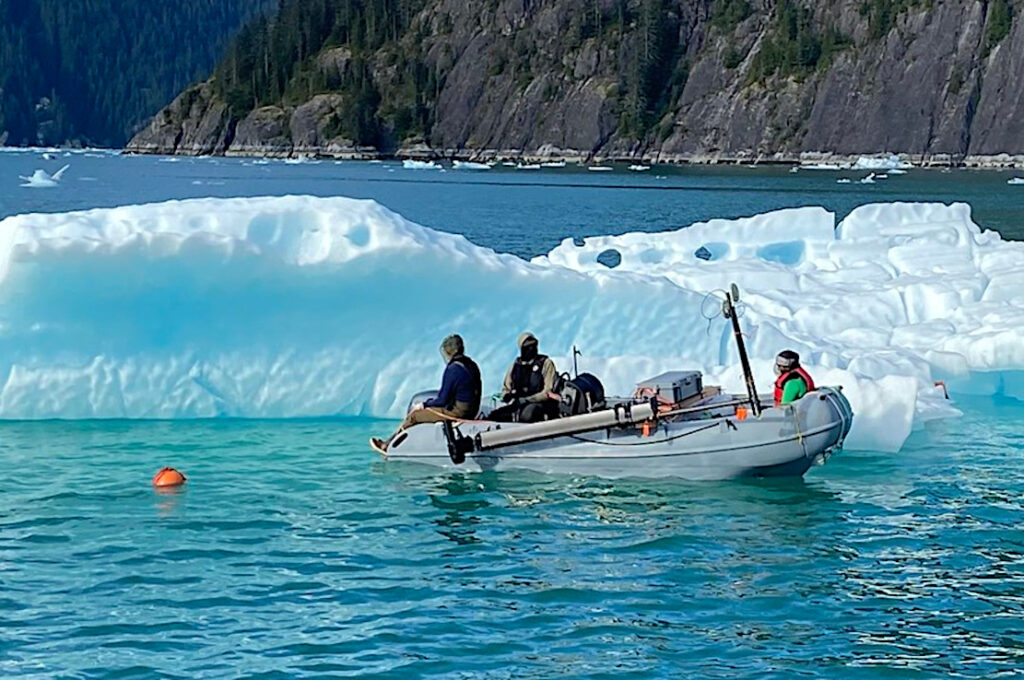
As climate change continues to unveil its multifaceted consequences, the intricate dynamics of glacial ecosystems come under scrutiny. One such phenomenon—often overlooked yet critical—is the impact of bursting air bubbles on glacier ice melt. This article seeks to illuminate the relationship between air bubbles trapped in melting ice and the acceleration of glacial retreat, offering a new perspective on an urgent environmental issue that demands our attention.
Beneath the serene facade of glaciers lies a tapestry of interactions that are anything but tranquil. As glaciers journey from their pristine origins to the vast bodies of water that await them, they encounter a myriad of forces both natural and anthropogenic. Typically, we envision these massive ice bodies melting due to rising temperatures and warm waters, yet the story unfolds with much greater complexity. Here, we delve into the role of air bubbles, particularly how their bursting can catalyze ice melt and transform local and global ecosystems.
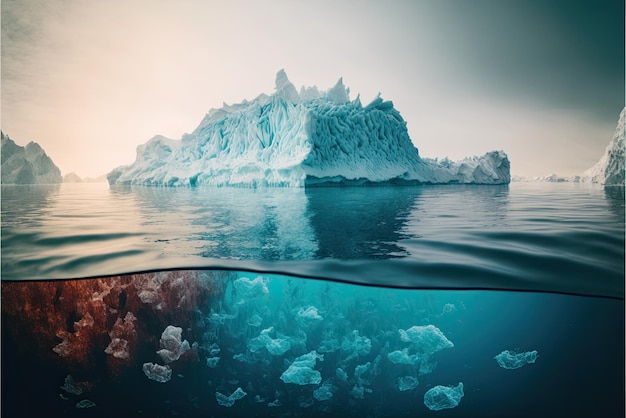
The process of ice formation begins with snowfall accumulating and compacting, creating dense layers that trap air bubbles within the crystal lattice of the ice. These trapped air pockets play a pivotal role in the overall structure and thermal dynamics of the glacier. Initially, these bubbles insulate the ice, offering a shield against heat transfer. However, as temperature increases and the ice begins to melt, the very air pockets that once served as protectors can become agents of destruction.
When the ice melts, these bubbles can expand and subsequently burst, releasing energy. This seemingly trivial event has profound implications. The bursting bubbles create tiny cavitation bubbles within any water that has pooled on the glacier’s surface. As these bubbles collapse, they generate shock waves that can fracture the ice further, facilitating more rapid melting. This process is a microcosm of how small actions can culminate in significant environmental changes.
Understanding the physics behind this phenomenon is crucial. The eruption of bubbles releases energy directly into the surrounding ice, increasing local temperatures and weakening the structural integrity of the glacier. Such microturbulence not only exacerbates melting but may also contribute to the destabilization of glaciers as a whole. As more ice succumbs to the ravages of heat and structural failure, the larger implications for sea levels and global climate patterns become remorselessly pronounced.
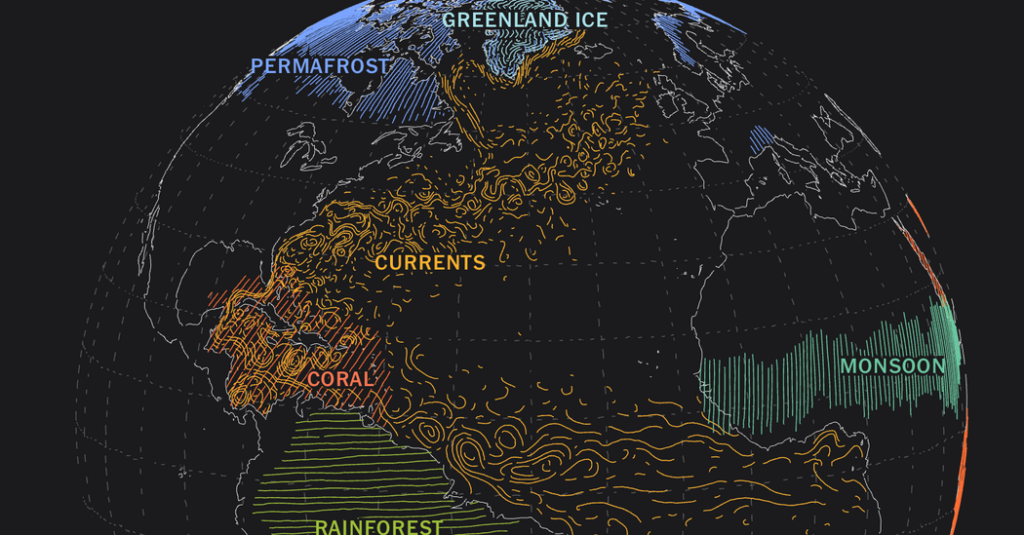
Yet, the narrative extends beyond the bursting bubbles and their intrinsic mechanics. Environmental factors such as the level of global warming, regional weather patterns, and ocean currents intricately weave into this narrative. Of particular interest is the albedo effect: the glacier’s ability to reflect sunlight diminishes as ice melting exposes darker surfaces, such as sediment and water. This reduction in reflectivity accelerates heat absorption, further compromising the glacier’s stability, leading to a dangerous feedback loop. As dark surfaces absorb more sunlight, temperatures rise, contributing to further bubble formation and subsequent melting.
The implications ripple through our ecosystems. Delicate marine life, reliant on the cold waters flowing from glaciers, faces an existential threat. The rush of freshwater into oceans can disrupt nutrient cycles, affecting fish populations and, by extension, the human communities that depend on them. As enjoyed as they may seem, the visual splendor and aesthetic value of glaciers mask a reality; their retreat signifies disruption, not only ecologically but socioeconomically as well.
Moreover, we cannot ignore the human aspect of this phenomenon. Coastal communities, particularly those with significant populations relying on fishing and tourism, find their livelihoods hanging by a thread as glaciers recede. With the promise of rising sea levels, entire cities face the threat of inundation—a wake-up call that transcends borders and demands a collective human response.
Yet with the challenges come opportunities for innovation and awareness. Understanding the mechanics of air bubbles and ice melt opens a gateway to potential technological advancements. For instance, studies can lead to the development of ice-retention techniques or geoengineering solutions aimed at mitigating melting rates. While these paths can seem daunting, the prospect of harnessing scientific progress instills a glimmer of hope amid despair.
Consequently, an enlightened perspective emerges, shifting our understanding of glacial environments from mere passive observers of climate change to active participants in their fate. Engaging with the minutiae of glacier dynamics fosters a deeper empathy and a compelling urgency to address the crises looming before us.
In conclusion, the relationship between bursting air bubbles and glacier ice melt serves as a poignant reminder of the intricate connections entwined within our planet’s ecosystems. These seemingly minor events underscore the fragility of glacial environments—both as integral components of the Earth’s climate system and as vital contributors to global biodiversity and human sustainability. Recognizing the profound ramifications of ice melt catalyzed by such mechanisms can ignite a transformative discourse, urging us toward more profound actions to protect our planet. The future is precarious, but through understanding and awareness, a path can be charted to safeguard not only glaciers but the myriad of life forms that depend on them. It is now, more than ever, that our collective consciousness must rally to ensure that these natural marvels endure.




Leave a Comment