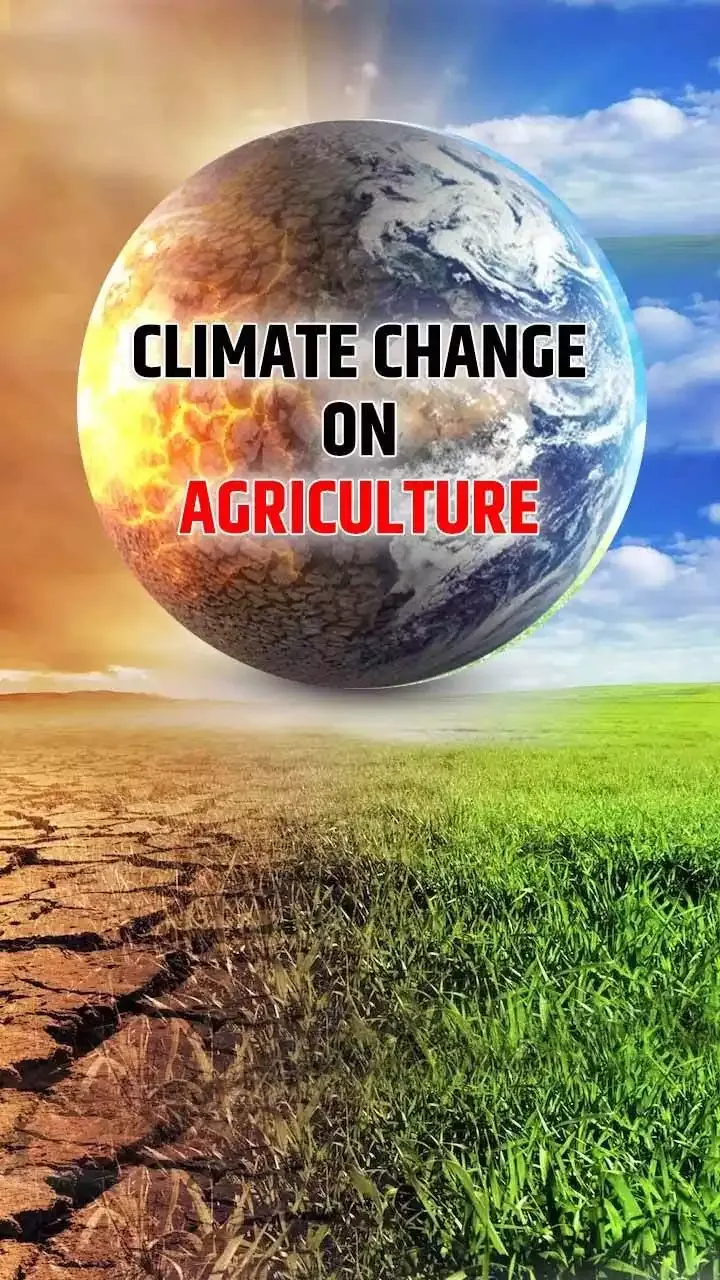
The dynamic relationship between agriculture and climate change is a matter of great significance, as it embodies both challenge and opportunity. Often, the agricultural sector is viewed as one of the principal contributors to greenhouse gas emissions. However, it also harbors immense potential to serve as a formidable ally in mitigating the adverse effects of climate change. This article elucidates various strategies through which agriculture can diminish its environmental footprint, while simultaneously promoting sustainable practices that nurture the planet.
First and foremost, the adoption of regenerative agricultural techniques emerges as a crucial pathway for reducing climate impact. Regenerative agriculture prioritizes the restoration and enhancement of soil health, emphasizing practices such as cover cropping, crop rotation, and no-till farming. These methods not only sequester carbon dioxide from the atmosphere but also bolster soil fertility, resilience, and biodiversity. The richness of healthy soil can absorb greater quantities of rainfall, mitigating flooding, while simultaneously minimizing the necessity for synthetic fertilizers that often contribute to greenhouse gas emissions.
Another vital aspect is the embrace of agroforestry systems. Integrating trees into agricultural landscapes can produce myriad ecological benefits. Trees function as carbon sinks, absorbing carbon dioxide while yielding fruit, timber, and other products integral to agricultural markets. This symbiotic relationship between trees and crops fosters habitats for diverse wildlife, thereby enhancing biodiversity and contributing positively to ecosystem services. Consequently, agroforestry not only revitalizes the environment but also diversifies farm income, rendering it a win-win solution for both agriculture and climate health.
Moreover, precision agriculture represents an innovative leap in the quest to curtail environmental impact. By employing advanced technologies such as drones, sensors, and satellite imagery, farmers can meticulously monitor their fields and administer water, fertilizers, and pesticides with increased accuracy. This approach minimizes waste and optimizes resource use, leading to lower emissions and reduced runoff of chemicals into waterways. Consequently, precision agriculture exemplifies how modern technology can align agricultural productivity with ecological responsibility.
Furthermore, the strategic management of livestock can contribute significantly to reducing the agricultural sector’s carbon footprint. The implementation of sustainable grazing practices, such as rotational grazing, not only enhances the health of pasturelands but also encourages the deposition of carbon into the soil. By allowing grasses to recover between grazing periods, farmers can bolster grassland ecosystems that act as vital carbon sinks. Additionally, the incorporation of alternative feed sources, including forages and legumes, can mitigate methane emissions associated with ruminant digestion. In this manner, livestock management can transition from a liability to an asset in the battle against climate change.
The concept of circular agriculture also emerges as a transformative strategy worth exploring. This model signifies a move away from traditional linear production approaches towards more circular systems that prioritize waste reduction and resource efficiency. By ensuring that byproducts from one agricultural process can be repurposed as inputs for another, circular agriculture minimizes waste and fosters sustainability. For instance, composting farm waste can create nutrient-rich soil amendments, thereby enhancing soil health while simultaneously reducing greenhouse gas emissions associated with waste decomposition.
Additionally, local food systems play a pivotal role in reducing the carbon footprint of agriculture. By shortening the supply chain through direct-to-consumer models, such as farmers’ markets and community-supported agriculture (CSA) programs, emissions associated with transportation are significantly diminished. Supporting local economies and fostering connections between consumers and farmers not only enhances food security but also cultivates a communal awareness of agricultural sustainability. The promotion of seasonal produce further reinforces this approach, as it aligns consumption with local availability, thereby reducing reliance on energy-intensive imports.
Moreover, educating farmers about sustainable practices and providing access to resources play crucial roles in transitioning towards more climate-friendly agricultural systems. Governments, NGOs, and agricultural organizations must collaborate to disseminate vital information and training programs that empower farmers to implement sustainable techniques. Financial incentives, such as grants and subsidies for adopting eco-friendly practices, can also facilitate this transition, mitigating initial investment barriers. The journey towards sustainable agriculture is not merely a switch; it necessitates a comprehensive support network that champions education and accessibility.
In the contemporary milieu, the role of policy cannot be understated in steering agriculture towards a more sustainable trajectory. Formulating policies that incentivize sustainable practices, promote research and innovation, and regulate harmful emissions is imperative. Climate-smart agricultural policies can harmonize the objectives of increased productivity with environmental protection, ensuring that agricultural systems are resilient in the face of climate change. Such a cohesive approach will encourage farmers to adopt practices that are not only beneficial for their livelihoods but also for the health of the planet.
In conclusion, the intersection of agriculture and climate change presents both formidable challenges and unique opportunities. Through the adoption of regenerative practices, agroforestry, precision agriculture, sustainable livestock management, circular systems, and robust educational and policy frameworks, the agricultural sector can significantly mitigate its impact on the environment. The journey toward a sustainable agricultural future is multifaceted and requires the concerted effort of individuals, communities, and policymakers alike. As stewards of the land, farmers hold the keys to a sustainable future, one that harmonizes productivity with ecological integrity, ultimately securing the well-being of both humanity and the planet.






Leave a Comment