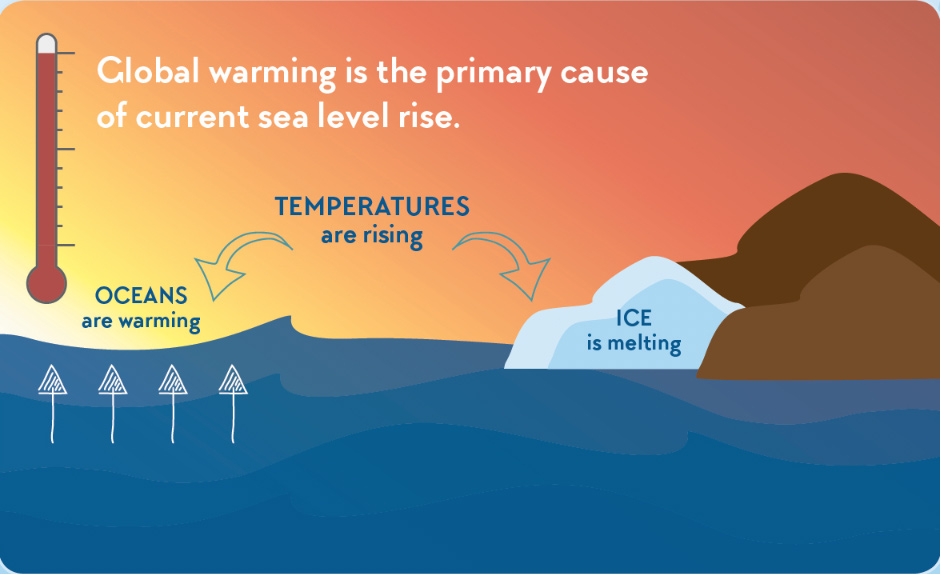
As the sun rises each morning, casting light upon the shimmering expanse of oceans and seas, one cannot help but marvel at the primordial beauty that surrounds us. However, beneath this idyllic veneer lies a disquieting truth: global climate change is inexorably driving sea levels to unprecedented heights. This phenomenon, steeped in complex scientific intricacies and poignant societal implications, demands concerted attention and action.
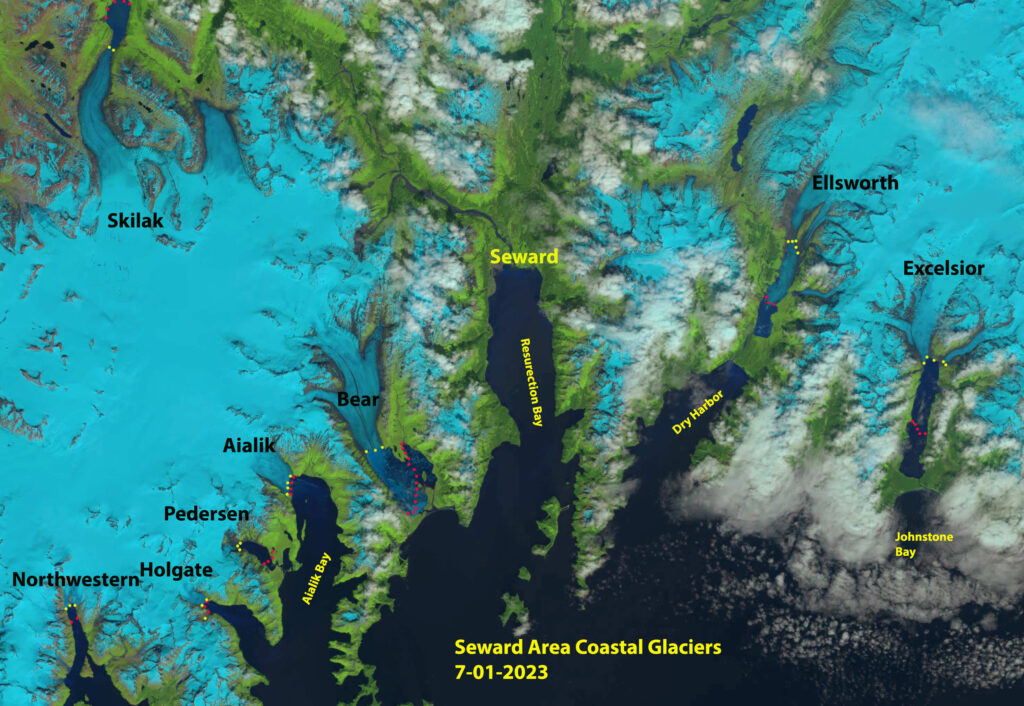
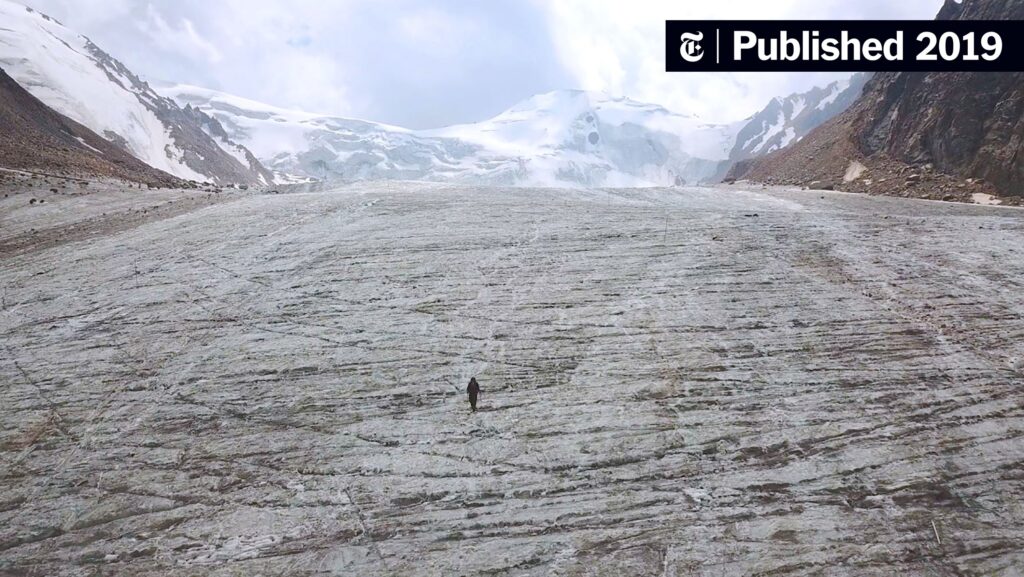
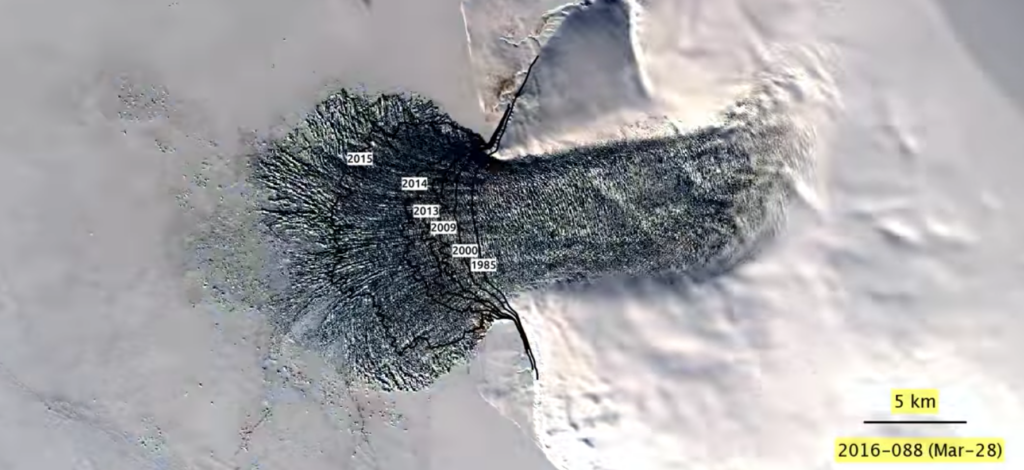
Rising sea levels are a manifestation of two primary factors associated with climate change: thermal expansion and the melting of ice sheets. As the planet warms, primarily due to anthropogenic emissions of greenhouse gases, ocean waters absorb heat, causing them to expand. Thus, the very water that sustains life is gradually becoming more voluminous. Concurrently, the polar ice caps, particularly in Greenland and Antarctica, experience alarming rates of melt, displacing vast quantities of fresh water into the oceans. These dual mechanisms contribute to an inexorable rise in sea levels, threatening coastlines worldwide.
The data surrounding this phenomenon is stark: according to scientific assessments, sea levels have risen approximately 8 to 9 inches since 1880, with projections indicating that levels could rise between 1 to 4 feet by the end of the century, if current trends persist. For many, such figures may seem abstract, but they encapsulate profound realities for millions of individuals occupying coastal regions. These communities face existential threats as homes, livelihoods, and even entire cities teeter on the brink of inundation.
Isolated occurrences of flooding and storm surges are becoming commonplace as once-rare weather events become the new normal. Consider Miami, Florida—a city synonymous with sun-soaked beaches and exuberant activity. Yet, it faces persistent flooding, even on sunny days, as saltwater seeps into streets and through storm drains. This inconvenient truth compels one to ponder: how did we arrive at this juncture? The answer lies not only in environmental degradation but also in socio-political dynamics.
The relationship between economic development and environmental sustainability is tenuous at best. A glaring example of this tension can be observed in urban planning strategies that prioritize short-term gains over long-term resilience. Many coastal cities have pursued aggressive development policies, often neglecting the ecological footprint of such endeavors. Businesses and individuals alike have overlooked critical data regarding climate risk, perpetuating a cycle of short-sightedness that exacerbates vulnerability.
Furthermore, the socio-economic fabric of these coastal communities is intricately woven with considerations of race, class, and privilege. Predominantly low-income neighborhoods often occupy the most flood-prone areas, historically sidelined in the urban planning landscape. The inevitability of rising seas poses not just a physical threat but also a moral conundrum, implicating issues of injustice and inequity in the discourse surrounding climate change.
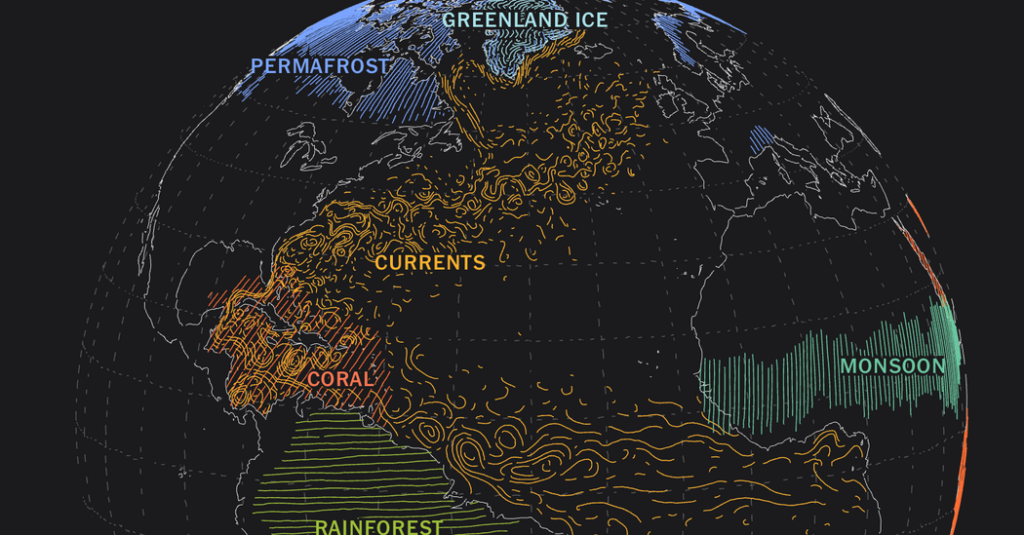
The environmental ramifications of rising sea levels extend beyond the confines of human habitations. As freshwater systems are compromised by saline intrusion, ecosystems that sustain marine biodiversity face unprecedented upheaval. Coral reefs, which act as vital barriers against storm surges, are jeopardized not only by warming waters but also by increased sedimentation and pollution. These intricate networks of life are interconnected; the destabilization of one ecosystem can catalyze a domino effect throughout the marine environment.
Furthermore, as biodiversity diminishes, the implications manifest in food security and public health. Fisheries that once thrived may no longer yield sufficient harvests, displacing communities reliant on these resources for sustenance. Additionally, the spread of waterborne diseases and algal blooms fueled by pollution pose formidable threats to public health. The insidious nature of these consequences underlines the urgency for collective action to mitigate the perpetuation of such crises.
Nevertheless, amid this existential threat, glimmers of hope emerge. Communities are rising to the occasion, spearheading local initiatives aimed at resilience and adaptation. Green infrastructure projects, often incorporating natural systems to manage stormwater, are gaining traction. From creating wetland buffers to enhancing urban tree canopies, such strategies aim to harmonize human activity with ecological integrity, illustrating that positive change is possible.
Additionally, advocacy for policy reform—be it at the local, national, or international level—plays a pivotal role in implementing sustainable practices. Legislation aimed at curbing emissions and promoting renewable energy sources can catalyze change, helping to mitigate future impacts. These actions, while often slow to materialize, are crucial in fostering a paradigm shift towards environmental stewardship.
The phenomenon of rising sea levels serves as a stark reminder of our planet’s precarious balance. While the science surrounding climate change is irrefutable, it is the human stories intertwined with these findings that resonate most profoundly. Each data point represents a life, a community, and a future at risk. The narrative of global climate change is not merely a scientific issue but a tapestry woven from threads of humanity, equity, and justice.
As the waves continue to lap at the shores, stirring us from our complacency, the call to action echoes loudly. It implores us to look beyond the horizon, to understand the ramifications of our choices today in shaping the world of tomorrow. The time for vigilance, advocacy, and solidarity has arrived. The rising tides are not merely a natural phenomenon; they are a clarion call, urging humanity to act before the shorelines of our existence erode away.






Leave a Comment