In the ever-evolving narrative of our planet’s climate, few phenomena are as arresting and sobering as the melting of glaciers. These colossal rivers of ice, guardians of the Earth’s past, are retreating at an alarming pace, giving us a vivid glimpse into the tangible effects of climate change. The interplay between rising global temperatures and the reduction of glacial mass is a story of dire consequences intertwined with a potential for profound change in perspective. This article seeks to elucidate the mechanisms behind glacier melting and unveil its unsettling connection to climate change.
To understand the catastrophic retreat of glaciers, one must first delve into their essence. Glaciers are extensive masses of ice formed over centuries through the compaction of snow. They are resilient, often remaining stationary for years, but this steadfastness is under siege. Warming temperatures—spurred primarily by anthropogenic activities—have led to an unprecedented rate of glacial melt. While the physics of melting ice may seem straightforward, the implications are anything but simple. The process is itself a harbinger of change, revealing the fragility that underpins our climatic systems.
A multitude of factors contribute to the accelerating pace of glacier melting. Primarily, the increase in global surface temperatures has manifested as a direct consequence of greenhouse gas emissions. These gases, predominantly carbon dioxide and methane, trap heat in the atmosphere, leading to a gradual rise in temperatures. Consequently, glaciers, which exist on the fine line between solid and liquid states, begin to lose their mass. The alarming truth is that even a fraction of a degree increase can catalyze a substantial rise in glacial melting rates.
Interestingly, the phenomenon of glacial retreat also resonates with complex feedback loops that further exacerbate climate change. As glaciers diminish, they expose darker land surfaces that absorb more sunlight, thereby increasing local temperatures. This process, often termed albedo effect, creates a vicious cycle: melting glaciers lead to warming, which in turn precipitates more melting. This feedback underscores the intricate balance within the Earth’s climate system, one that humanity is precariously tipping.
The ramifications extend far beyond the ice itself. Glacial melt contributes significantly to rising sea levels, which threatens coastal communities worldwide. Projections suggest that sea levels could rise by over a meter by the conclusion of this century if current trends continue. The implications for millions are devastating: flooding, loss of habitat, and the displacement of entire populations. Simultaneously, the loss of glaciers is detrimental to freshwater supplies, as many regions rely on glacial melt as a crucial water source during warmer months. As glacial ice vanishes, so too does the reliability of water systems that sustain agriculture, industry, and human health.
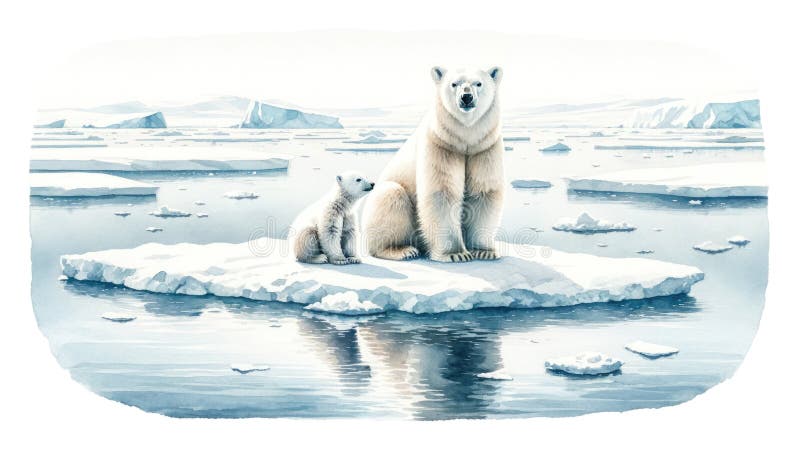
In this daunting narrative, the plight of polar bears and other wildlife serves as a poignant reminder of what is at stake. These majestic creatures depend on Arctic ice for hunting and breeding. As their hunting grounds dwindle, their existence hangs in the balance, a visceral embodiment of the broader ecological crisis. The polar bear, often depicted as a symbol of climate change, encapsulates the urgent need for action—not just for the survival of one species, but for the preservation of biodiversity that sustains our global ecosystem.
Yet, amidst this pervasive narrative of despair emerges the potential for hope—a collective awakening to our ecological interdependencies. The erosion of glaciers is a clarion call for humanity to rethink its relationship with nature. Utilitarianism and anthropocentrism have long dictated our interactions with the environment, often at the expense of planetary health. Perhaps the retreating ice can inspire a renaissance in our values, urging a transformation towards symbiosis rather than dominance.
Calls for action proliferate, advocating for sustainable practices and radical systemic change. Policies aimed at reducing greenhouse gas emissions are critical; transitions to renewable energy sources must take precedence. Urban designs that prioritize public transport, tree canopy expansion, and sustainable agriculture are vital to mitigate human impact. Furthermore, fostering a global ethic of conservation can unite disparate communities towards a common objective—the preservation of our planet and its invaluable resources.
In this continuum of change, education emerges as a fulcrum for transforming perception. By fostering awareness about the palpable consequences of glacial melting, we can cultivate an informed citizenry, equipped with the knowledge necessary to effectuate change. Proactive engagement with communities can elevate discussions about inclusive environmental policies and inspire grassroots movements demanding accountability from governments and corporations alike.
No longer can we afford to ignore the plight of glaciers as an abstract concept; they are tangible markers of our societal choices. As we confront the challenge of climate change, the melting ice serves as both a warning and a guidepost. In unveiling this intricate tapestry of vulnerability and resilience, we are compelled to reconsider our obligations to the planet and each other.
Perhaps it is time for humanity to recognize glaciers not solely as majestic formations nestled within remote landscapes but as essential components of a living system. As they melt, they remind us of our fragility and interconnectedness, urging us to navigate this profound crisis with humility, compassion, and urgency. The time for action is now, and the path forward holds promise—for a symbiotic relationship with our planet and the generations yet to come.




Leave a Comment