
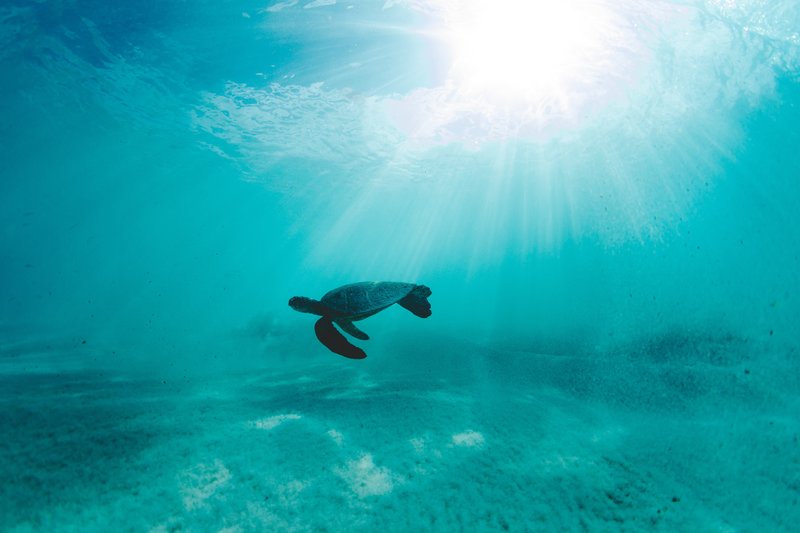
Deep‑ocean biodiversity is increasingly endangered by climate‑driven changes such as acidification, warming, and deoxygenation, jeopardising ecosystem services that support the entire planet.
Quick Answer
Deep‑ocean biodiversity refers to the variety of species that live below 200 m, from microbes to giant squids. Climate change alters seawater chemistry, temperature, and oxygen levels, creating conditions that many deep‑sea organisms cannot tolerate. Scientific assessments show that acidification, warming‑induced stratification, and expanding hypoxic zones are already reducing species abundance and disrupting food webs, although the full magnitude of loss remains uncertain.
Key Takeaways
- Ocean acidification reduces the ability of calcium‑carbonate‑forming organisms to build shells, threatening foundational species.
- Warming intensifies stratification, limiting nutrient supply to deep waters and shifting species distributions.
- Deoxygenation creates expanding dead zones that can exceed the size of many continental shelves.
- Human activities such as deep‑sea mining and unsustainable fishing compound climate stresses.
- Protected areas, emissions cuts, and improved monitoring are the most evidence‑based responses.
What Is Deep-Ocean Biodiversity Faces an Unavoidable Climate Threat?
Deep‑ocean biodiversity encompasses the living organisms inhabiting the abyssal plains, submarine canyons, hydrothermal vents, and seamounts that lie beneath the sunlit layer of the ocean. These habitats cover roughly 65 % of the Earth’s surface and host an estimated 10 % of marine species, many of which are still undocumented. The phrase “unavoidable climate threat” highlights that the physical drivers—rising atmospheric CO₂, global warming, and altered circulation—are already in motion and will continue to affect deep‑sea ecosystems even if emissions were halted immediately.
How Does It Work?
1. Ocean Acidification
When CO₂ dissolves in seawater, it forms carbonic acid, which lowers pH and reduces carbonate ion concentration. Calcifying organisms such as foraminifera, pteropods, and vent‑dwelling mussels need carbonate ions to construct shells. Laboratory experiments (e.g., NOAA, 2022) show that a 0.3‑unit pH drop—projected by 2100 under high‑emission scenarios—can cut shell growth by up to 40 %.
2. Thermal Stratification and Nutrient Supply
Warmer surface waters become less dense, strengthening the pycnocline that separates surface and deep layers. This reduces vertical mixing, limiting the transport of organic particles that sink and fuel deep‑sea heterotrophic communities. Long‑term sediment trap data from the Atlantic (1990‑2020) indicate a 15 % decline in particulate organic carbon flux to depths greater than 2 000 m.
3. Deoxygenation
Warmer water holds less dissolved oxygen, and expanding oxygen‑minimum zones (OMZs) encroach into previously oxygen‑rich habitats. Measurements by the World Ocean Atlas (2021) show that global mid‑depth oxygen concentrations have fallen by 2 µmol kg⁻¹ since the 1990s, with the greatest losses in the Pacific and Indian Oceans.
4. Habitat Disturbance from Human Activity
Deep‑sea trawling and emerging mineral extraction physically damage seafloor structures that provide refuge for many species. The International Seabed Authority reports that exploratory mining contracts now cover 1.5 % of the ocean floor, a footprint that could expand rapidly.
What Does the Evidence Show?
Multiple lines of evidence converge on the conclusion that climate‑driven changes are already affecting deep‑sea life. The Intergovernmental Panel on Climate Change (IPCC) Fifth Assessment Report (2021) cites observational studies linking lower pH to reduced calcification rates. A systematic review of vent ecosystems (Marine Ecology Progress Series, 2020) found consistent declines in chemosynthetic primary production under experimentally acidified conditions. Global monitoring programmes such as the Global Ocean Observing System (GOOS) document a steady rise in deep‑water temperature of 0.02 °C per decade, accompanied by expanding OMZs. While many species remain poorly studied, the weight of peer‑reviewed research indicates a clear trend toward reduced abundance and altered community composition.
Main Causes or Drivers
Direct Climate Drivers
- Increasing atmospheric CO₂ leading to ocean acidification.
- Global surface warming that intensifies thermal stratification.
- Reduced solubility of oxygen in warmer seawater, expanding deoxygenated zones.
Anthropogenic Amplifiers
- Deep‑sea fishing that removes key predators and disturbs sediment.
- Seafloor mining that destroys habitat complexity.
- Pollutant deposition (e.g., microplastics) that may interact with chemical stressors.
Environmental and Human Impacts
Environmental Impacts
Loss of calcifying organisms weakens the biological pump that transports carbon to the deep ocean, potentially accelerating atmospheric CO₂ buildup. Disrupted food webs can reduce the availability of fish larvae that ascend to surface fisheries, linking deep‑sea health to commercial catches. Habitat loss also diminishes genetic diversity, lowering ecosystem resilience to future perturbations.
Human Health and Social Impacts
Communities that rely on fish stocks derived from deep‑water species may experience reduced catches, affecting food security and livelihoods in coastal regions of the Pacific and Atlantic. Moreover, the release of methane from destabilised vent communities could pose climate feedbacks, indirectly influencing human societies.
Regional Differences
Impact intensity varies with ocean basin characteristics. The Pacific Ocean, with its extensive OMZs, shows the fastest deoxygenation rates, while the Atlantic’s slower circulation leads to more pronounced acidification effects on carbonate‑dependent fauna. In the Southern Ocean, cold temperatures buffer immediate acidification but make species especially vulnerable to warming‑induced habitat loss.
What Scientists Know With High Confidence
- Atmospheric CO₂ increase is the primary cause of ocean acidification (IPCC, 2021).
- Warmer surface waters reduce deep‑water oxygen solubility, expanding hypoxic zones (World Ocean Atlas, 2021).
- Calcifying deep‑sea organisms experience reduced shell growth under lowered pH, as demonstrated in multiple laboratory experiments.
- Vertical mixing of nutrients has declined in regions where stratification has strengthened, limiting food supply to the abyss.
What Remains Uncertain
Key uncertainties include the exact thresholds at which specific deep‑sea species will experience population collapse, the potential for rapid evolutionary adaptation, and the long‑term feedbacks between deep‑sea carbon sequestration and atmospheric CO₂. Limited in‑situ observations—especially in remote trenches—constrain model validation, making projections of species loss ranges broad.
Common Misconceptions
Misconception: Deep‑sea life is isolated from surface climate impacts.
Reality: Physical processes such as thermohaline circulation connect surface and abyssal waters, so changes in surface temperature, CO₂, and oxygen propagate downward over decades.
Misconception: Only charismatic megafauna are at risk.
Reality: Microbial and meiofaunal communities, which drive nutrient recycling, are equally vulnerable to chemical stressors, and their loss can cascade through the entire ecosystem.
Misconception: Marine protected areas automatically safeguard deep‑sea species.
Reality: Many MPAs are limited to shallow waters; effective deep‑sea protection requires specific legal designations and enforcement against mining and trawling.
Solutions and Limitations
Effective responses combine emission reductions with targeted marine stewardship. Cutting CO₂ emissions at the source is the only way to halt further acidification, yet political and economic constraints can slow implementation. Expanding deep‑sea MPAs can preserve critical habitats, but enforcement is costly and may conflict with resource extraction interests. Research investment improves monitoring and informs adaptive management, though funding cycles are often short‑term. Finally, sustainable fisheries certification can reduce bycatch, yet market uptake varies globally.
What Individuals, Communities, and Governments Can Do
What Individuals Can Do
Support organizations that advocate for strong climate policies, choose sustainably sourced seafood certified by reputable bodies, and reduce personal carbon footprints through energy efficiency and low‑carbon transport.
What Communities and Organizations Can Do
Develop local stewardship programs that monitor deep‑sea species via citizen science collaborations with research vessels, and lobby for regional protections against destructive mining.
What Governments Can Do
Implement and enforce stringent CO₂ emission targets, designate legally binding deep‑sea MPAs, fund long‑term ocean observation networks, and regulate deep‑sea mining under precautionary principles.
Closing Synthesis
Deep‑ocean biodiversity is intrinsically linked to global climate dynamics; rising CO₂, warming, and deoxygenation together threaten the stability of the planet’s largest habitat. High‑confidence evidence confirms that chemical and physical changes are already reducing species abundance, while uncertainties remain about exact extinction thresholds and adaptive capacity. Mitigation through emissions cuts, protection of vulnerable habitats, and sustained scientific observation offers the most robust pathway to preserve these hidden ecosystems for future generations.
Frequently Asked Questions
What is meant by deep‑ocean biodiversity?
Deep‑ocean biodiversity refers to the variety of species living below the sunlit layer of the ocean, including microbes, invertebrates, and large vertebrates that inhabit abyssal plains, vents, and seamounts.
How does ocean acidification affect deep‑sea organisms?
Acidification lowers seawater pH and reduces carbonate ions, making it harder for calcifying species such as foraminifera and vent mussels to build shells, which can diminish their survival and disrupt food webs.
Why are deoxygenated zones a problem for the deep sea?
Deoxygenated (hypoxic) zones arise when warmer water holds less oxygen; many deep‑sea species cannot tolerate low‑oxygen conditions, leading to population declines and loss of habitat.
What actions can governments take to protect deep‑ocean life?
Governments can set and enforce CO₂ emission limits, establish deep‑sea marine protected areas, fund long‑term monitoring programs, and regulate mining and trawl activities under precautionary principles.
Are current deep‑sea marine protected areas sufficient?
Most existing MPAs focus on shallow coastal waters; only a small fraction covers the deep ocean, so current protections are insufficient to safeguard vulnerable deep‑sea ecosystems.




Leave a Comment