
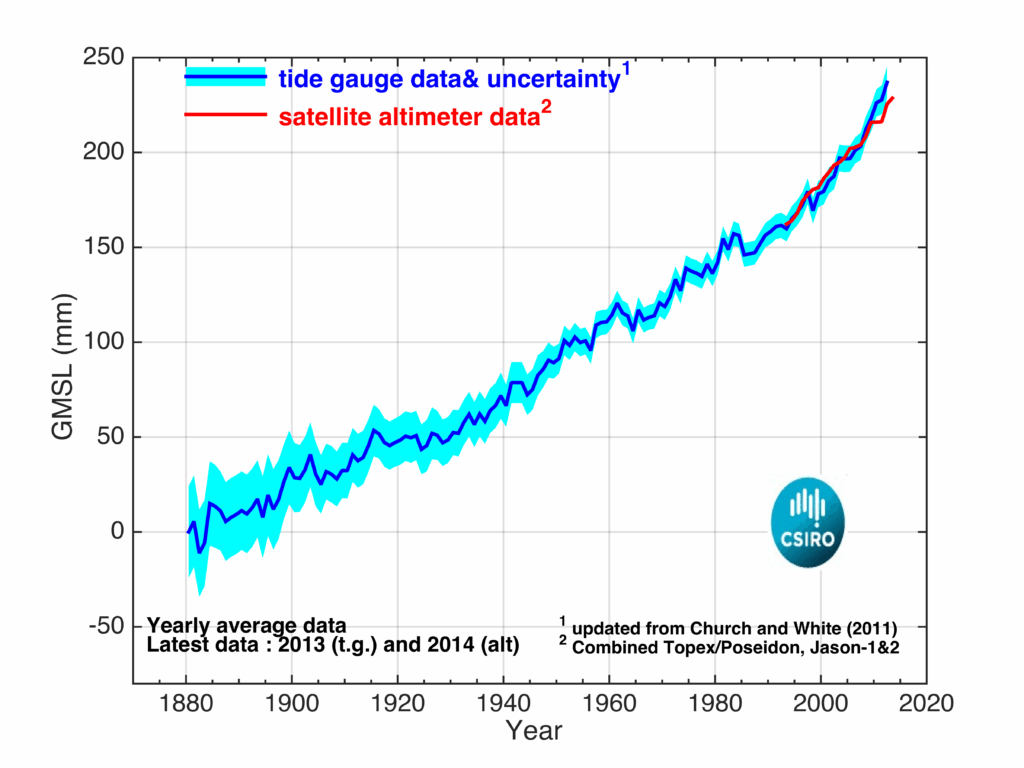
How Much Have the Oceans Risen Since 1900? The Numbers Explained
Since 1900 global mean sea level has risen about 20 cm (8 in), driven by thermal expansion and melting ice, with accelerating rates that shape
December 3, 2025
Changes in the world’s oceans, ice masses, and related coastal impacts.
Since 1900 global mean sea level has risen about 20 cm (8 in), driven by thermal expansion and melting ice, with accelerating rates that shape
December 3, 2025
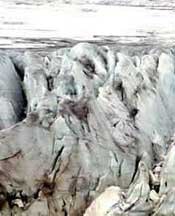
Melting European glaciers reduce natural water storage, alter seasonal river flows, and increase flood and water‑quality risks, threatening ecosystems, drinking water, agriculture, and
December 1, 2025
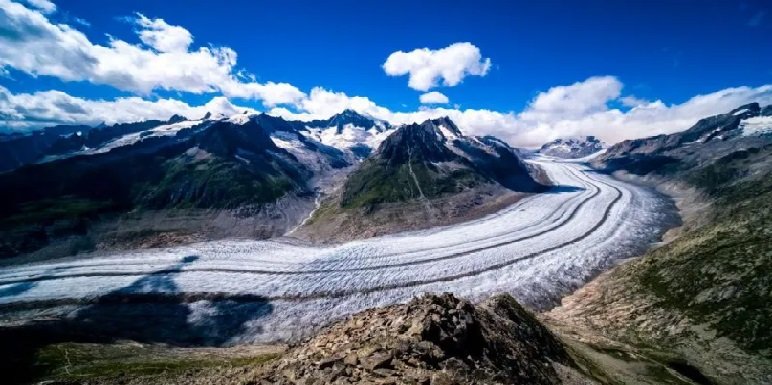
Glacier melt is accelerating because rising atmospheric temperatures, amplified by greenhouse‑gas emissions, trigger feedback loops that speed ice loss, threatening water supplies, sea
December 1, 2025
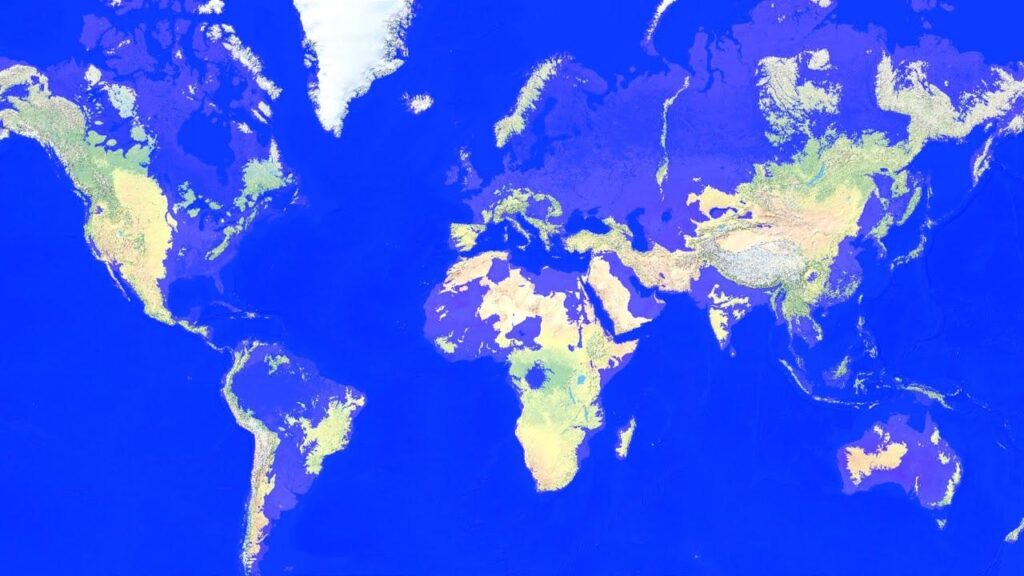
If every glacier on Earth disappeared, the resulting sea‑level rise, loss of fresh water, and ecosystem upheaval would reshape coastlines, threaten millions, and
December 1, 2025
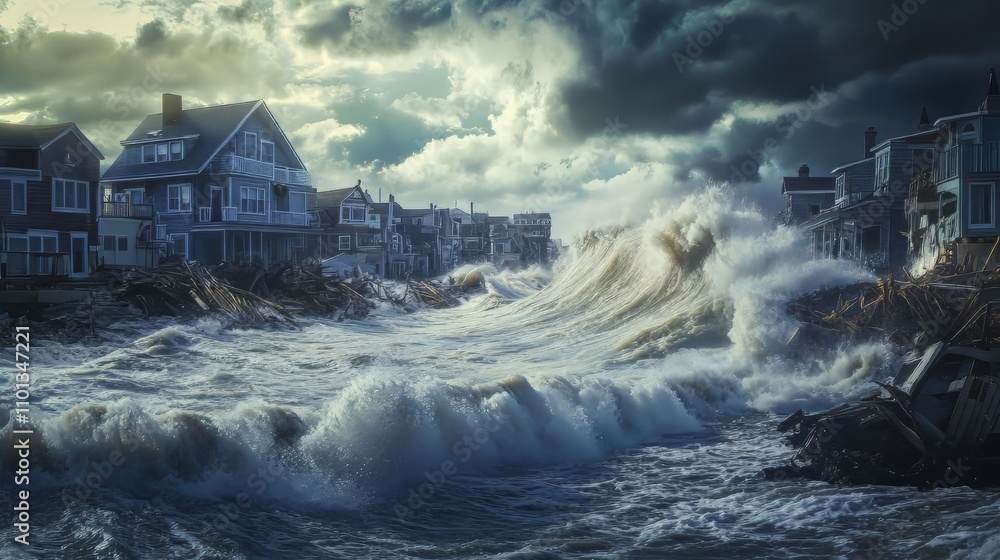
Rising sea levels raise the baseline water height, so when a storm surge arrives the combined water level can inundate coastal areas far
November 30, 2025
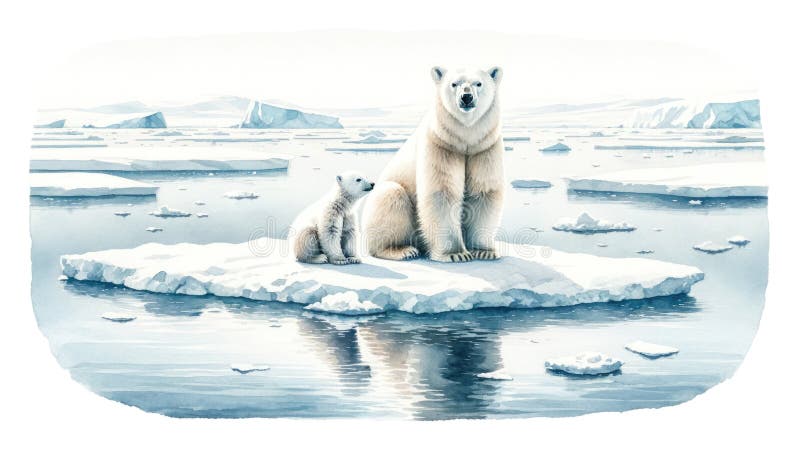
Glacier melting, driven by rising global temperatures, directly illustrates how climate change reshapes water resources, sea levels, and ecosystems worldwide. Quick Answer Glacier
November 27, 2025
October 18, 2026

October 18, 2026

24Earth is an independent environmental knowledge platform explaining climate, oceans, biodiversity, pollution, energy, and planetary change through accessible, evidence-based reporting.
Copyright ©2026
24Earth.
