Carbon emissions, often framed within the confines of climate discourse, hold a much deeper narrative that intertwines with the very air we breathe. They are not merely numbers on a ledger; they are the invisible agents of pollution that thread through our lives, often undetected but profoundly impactful. To truly grasp their significance, one must delve into the complexities of how these emissions, primarily stemming from fossil fuel combustion, drive air pollution and, by extension, influence public health and environmental stability.
The global economy, characterized by its relentless pursuit of growth, has long relied on fossil fuels as its primary energy source. This dependency creates a perpetual cycle of carbon emissions, as carbon dioxide (CO₂) constitutes a major byproduct of burning coal, oil, and gas. It is astonishing to consider that transportation, industry, and even household activities contribute to this perennial outpouring of CO₂. Each vehicle on the roadway, every utility plant spewing smoke—a silent testament to humanity’s struggle between development and ecological stewardship.
As CO₂ enters the atmosphere, it undergoes a transformation that positions it at the heart of the greenhouse gas effect. Sunlight penetrates the Earth’s atmosphere, warming the surface. While some of this heat escapes back into space, much of it is trapped by greenhouse gases like CO₂. This phenomenon is crucial; it fosters the warmth necessary for life but also sets the stage for complications. As carbon emissions continue to rise, more heat is trapped, contributing to climate change. Climate change is an overarching term that encompasses rising sea levels, extreme weather events, and—most relevant here—the deterioration of air quality.
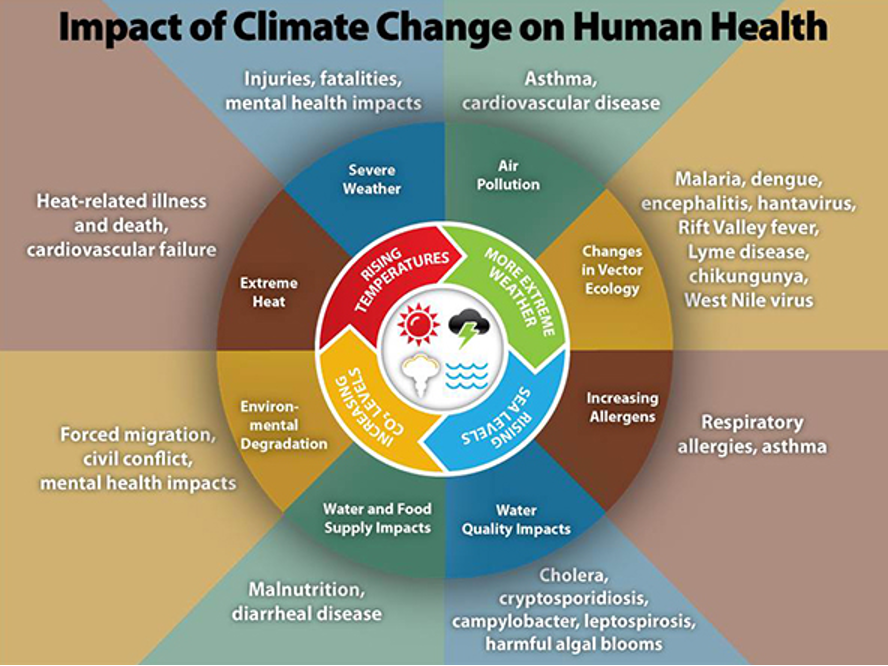
A key player in this saga is particulate matter, a mix of tiny solid particles and liquid droplets suspended in the air. These particles, often the result of burning fossil fuels, manifest as soot, smoke, and dust, impacting urban environments disproportionately. When evaluating the sources of air pollution, one must consider that combustion processes in vehicles, power plants, and industrial activities release a plethora of pollutants—among them nitrogen oxides, sulfur dioxide, and volatile organic compounds. Together, they form a noxious blend that aggravates respiratory diseases, contributes to the development of asthma, and is linked to cardiovascular illnesses.
To illustrate this connection more vividly, let us envision a bustling cityscape. The hum of traffic pervades the air, laden with an array of emissions. As vehicles idle, they spew forth not just CO₂, but a cocktail of harmful substances that can easily drift into the airways of pedestrians. The irony is palpable: while these cities symbolize progress and economic vitality, they simultaneously endanger the health of their inhabitants. This duality highlights a fundamental question: how can we reconcile our economic aspirations with the urgent need for clean air?
The implications of carbon emissions stretch beyond immediate health concerns; they also touch the realms of social justice and equity. Vulnerable communities often bear the brunt of such pollution, living in areas with elevated levels of toxic emissions due to their proximity to highways and industrial zones. These systemic inequalities perpetuate a cycle of disadvantage, where marginalized populations encounter not only disproportionate health risks but also limited access to resources that promote well-being. The fight for cleaner air thus transforms into a struggle for justice, demanding a reevaluation of how urban planning and industrial policies are structured.
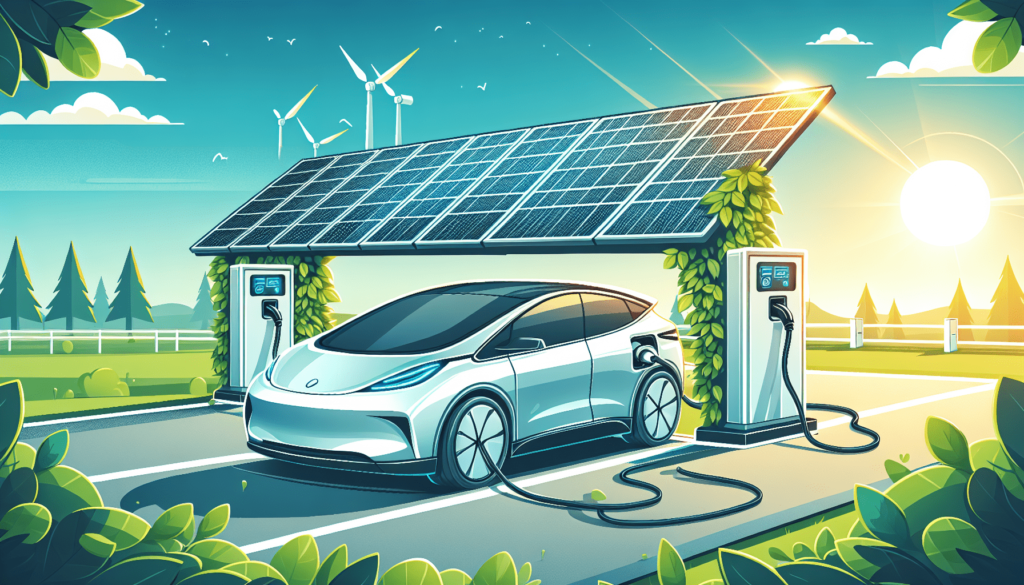
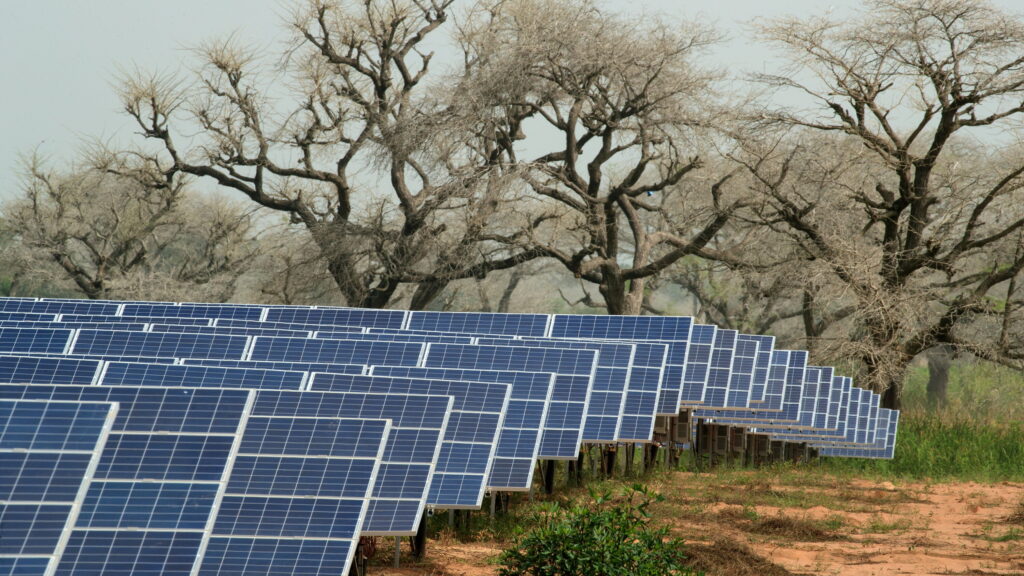
Amidst this troubling backdrop, there emerges a beacon of hope—the transition toward sustainable energy solutions. Renewable energies, such as wind, solar, and hydroelectric power, signify a pathway to diminish our reliance on fossil fuels. By embracing such technologies, we can significantly reduce carbon emissions and thus mitigate their role in air pollution. The intrinsic beauty of renewable energy is its potential to revolutionize how we perceive energy consumption, aligning it with the urgent need to protect our environment and our health.
Yet, a mere shift in energy source is insufficient without a collective commitment to rethink consumption patterns. This entails redefining progress—and the metrics by which we gauge it. The future beckons us to consider alternatives to car-centric urban design, promoting public transport, cycling, and walking as viable options. Such transformations will require reimagining our communities, fostering environments that prioritize human well-being and ecological resilience.
As we navigate this complex landscape, it is essential to galvanize public awareness and foster discourse around carbon emissions and their ramifications. Initiatives aimed at educating individuals about the origins and consequences of their carbon footprints can inspire meaningful action. Informed citizens are more likely to advocate for policy changes and support innovations that extend beyond individual responsibility, propelling larger systems toward greener infrastructure and cleaner practices.
In conclusion, understanding carbon emissions and their integral role in driving air pollution is not just an environmental concern; it is a multifaceted issue that intersects with public health, social justice, and economic sustainability. The challenge lies in our ability to reframe how we view and address these emissions—not as a necessary evil but as a clarion call for transformation. By embracing the promise of sustainable energy and fostering equitable practices, we can envision a future that prioritizes both ecological integrity and human health. The journey toward cleaner air is daunting, yet it is also filled with potential, urging us to remain vigilant and proactive in cultivating a world where the air we breathe nourishes rather than endangers us.






Leave a Comment