
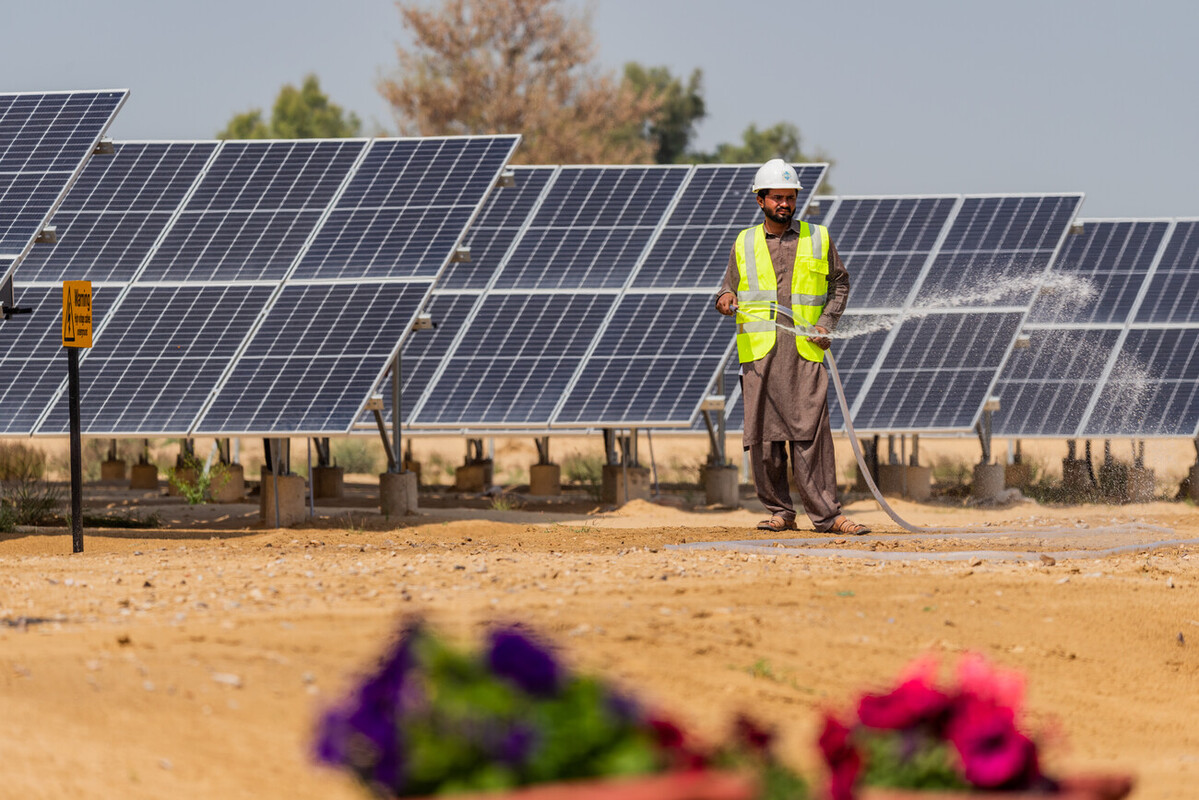
The net‑zero transition can generate millions of sustainable jobs worldwide, but realizing this potential requires coordinated policies, reskilling programs, and attention to regional and sectoral differences.
Quick Answer
Net‑zero pathways—shifting energy systems, improving building efficiency, and scaling low‑carbon technologies—are projected to create a substantial number of jobs across the globe. Renewable‑energy installation, grid modernization, and green‑infrastructure projects demand new skilled labour, while the decline of fossil‑fuel employment can be mitigated through targeted retraining. Evidence from the International Renewable Energy Agency (IRENA) and the International Energy Agency (IEA) suggests that, under a 2050 net‑zero scenario, the clean‑energy sector could employ 30 million more people than today, though the exact figure depends on policy design and regional capacity. Uncertainties remain around the speed of technological diffusion and the effectiveness of just‑transition measures.
Key Takeaways
- Renewable‑energy deployment is the largest single source of future green jobs.
- Energy‑efficient buildings and retrofits create demand for architects, engineers, and skilled trades.
- Emerging technologies such as electric vehicles, hydrogen, and carbon‑capture require high‑skill workforces.
- Just‑transition policies—reskilling, social protection, and regional support—are essential to avoid job losses in fossil‑fuel sectors.
- Public‑private financing mechanisms, including green bonds, accelerate job‑rich projects.
What Is Can the Net‑Zero Transition Become a Global Engine for Job Creation?
The phrase asks whether the worldwide shift to net‑zero greenhouse‑gas emissions can also serve as a catalyst for large‑scale employment. Net‑zero refers to balancing anthropogenic emissions with removals so that the net contribution to atmospheric greenhouse‑gas concentrations is zero. The transition encompasses decarbonising electricity, transport, industry, and buildings, while simultaneously expanding carbon‑removal solutions. When these actions are paired with policies that encourage investment and workforce development, they can generate new occupations and transform existing ones.
How Does It Work?
1. Decarbonising Energy Supply
Renewable‑energy technologies—solar photovoltaics, onshore and offshore wind, and bioenergy—replace fossil‑fuel power plants. Each new installation requires engineers, project managers, construction crews, and long‑term operations staff. Grid upgrades, such as smart‑grid controls and energy‑storage systems, add further technical roles.
2. Improving Energy Efficiency
Policies that set stricter building‑code standards drive demand for retrofitting existing structures and constructing new low‑energy buildings. This creates jobs for insulation installers, HVAC specialists, and green‑design consultants.
3. Deploying Low‑Carbon Technologies
Electric‑vehicle (EV) production, hydrogen‑fuel infrastructure, and carbon‑capture, utilisation, and storage (CCUS) technologies each open new manufacturing and service‑sector employment streams. Software developers and data analysts support the digital monitoring and optimisation of these systems.
4. Enabling a Just Transition
As coal, oil, and gas sectors contract, workers need reskilling to move into emerging green occupations. Vocational‑training programmes, apprenticeships, and social‑protection schemes provide the bridge between declining and growing industries.
What Does the Evidence Show?
Multiple independent assessments converge on the conclusion that a net‑zero pathway can be a net‑positive for employment. IRENA’s 2023 Renewable Energy and Jobs Annual Review estimated that, by 2050, renewable‑energy jobs could reach 42 million globally—up from 12 million in 2020—provided that policy frameworks support rapid deployment. The International Energy Agency’s World Energy Outlook (2023) projects that, under a sustainable development scenario, clean‑energy employment would exceed fossil‑fuel employment by 2035 in most regions. National case studies, such as Germany’s Energiewende, have documented thousands of new jobs in wind‑farm construction and energy‑efficiency retrofits, while also highlighting the need for active labour‑market policies to assist displaced coal workers.
Main Causes or Drivers
Policy and Regulation
Carbon‑pricing mechanisms, renewable‑energy targets, and building‑code revisions create market signals that stimulate investment and hiring.
Technological Innovation
Cost reductions in solar‑panel and wind‑turbine manufacturing, together with advances in battery storage, lower barriers to entry and expand the scale of projects.
Financial Incentives
Green bonds, climate‑finance facilities, and tax credits lower the capital cost of clean‑energy projects, making job‑creating projects financially viable.
Societal Demand
Public concern over air quality and climate impacts drives consumer preference for low‑carbon products, encouraging businesses to hire green‑skill workers.
Environmental and Human Impacts
Environmental Impacts
Reduced fossil‑fuel combustion lowers air‑pollutant emissions, improving regional air quality and decreasing greenhouse‑gas concentrations. Cleaner energy systems also reduce water usage associated with thermal power plants.
Human Health and Social Impacts
Improved air quality is linked to fewer respiratory illnesses, which can reduce healthcare costs and increase worker productivity. Job creation in green sectors can lift incomes in regions that previously relied on carbon‑intensive industries, contributing to social stability.
Economic and Infrastructure Impacts
Investments in renewable generation and grid modernization increase energy security and can lower electricity prices over the long term, benefiting households and businesses.
Regional Differences
High‑income economies such as the United States, Germany, and Japan already have substantial renewable‑energy manufacturing bases, leading to faster job growth in those sectors. Emerging economies in Southeast Asia and Africa face larger challenges in financing and skill development but stand to gain significant employment from off‑grid solar projects and climate‑resilient infrastructure. In coal‑dependent regions like Appalachia (USA) or the Ruhr (Germany), the transition requires larger reskilling programmes to offset job losses.
What Scientists Know With High Confidence
- Decarbonising the electricity sector is essential for meeting global temperature goals (IPCC, 2021).
- Renewable‑energy technologies have become cost‑competitive with fossil fuels in most regions (IEA, 2023).
- Air‑quality improvements from reduced fossil‑fuel combustion have measurable health benefits (WHO, 2022).
- Targeted reskilling programmes can successfully move workers from declining to emerging sectors when adequately funded (ILO, 2022).
What Remains Uncertain
Key uncertainties include the pace at which emerging technologies such as green‑hydrogen and CCUS become commercially viable, and how quickly policy frameworks will align across jurisdictions to support large‑scale deployment. The magnitude of job creation also depends on the extent of public‑sector investment and the effectiveness of just‑transition policies, which vary widely between countries.
Common Misconceptions
Misconception: Net‑zero automatically means more jobs everywhere.
Reality: While many green sectors expand, some fossil‑fuel‑dependent regions may experience net job losses unless specific transition policies are implemented.
Misconception: All renewable jobs are low‑skill.
Reality: The sector requires a spectrum of skills—from manufacturing engineers to data scientists—creating both entry‑level and highly specialised positions.
Misconception: Carbon‑capture technologies are a quick fix.
Reality: CCUS is still emerging; large‑scale deployment faces technical, economic, and regulatory hurdles that limit immediate job creation.
Solutions and Limitations
Effective solutions combine policy, finance, and education:
- Carbon pricing and renewable mandates: Provide clear market signals but may face political resistance.
- Green financing (e.g., green bonds): Mobilises capital for job‑rich projects; however, investor appetite can fluctuate.
- Workforce development: Apprenticeships and vocational training equip workers with needed skills, yet programs must be tailored to local labour markets.
- Public‑private partnerships: Leverage expertise and funding, though coordination challenges can delay implementation.
What Individuals, Communities, and Governments Can Do
What Individuals Can Do
- Support policies that fund renewable‑energy projects and job‑training programmes.
- Seek education or certification in emerging green fields, such as solar‑panel installation or energy‑audit techniques.
- Choose low‑carbon products and services, creating market demand for sustainable businesses.
What Communities and Organizations Can Do
- Partner with local colleges to develop curricula aligned with regional clean‑energy needs.
- Facilitate community‑owned renewable projects that retain profits and jobs locally.
- Host job‑fair events focused on green‑industry employers.
What Governments Can Do
- Set ambitious, time‑bound net‑zero targets linked to employment metrics.
- Allocate fiscal resources for reskilling schemes targeting displaced fossil‑fuel workers.
- Provide tax incentives or grants for businesses that create green jobs in underserved regions.
- Establish transparent monitoring systems to track job creation and ensure equitable outcomes.
Synthesis
The net‑zero transition offers a credible pathway to generate millions of sustainable jobs, especially in renewable‑energy deployment, energy‑efficient construction, and emerging low‑carbon technologies. High‑confidence evidence confirms that clean‑energy investment reduces emissions and improves public health. Nevertheless, the scale of job creation hinges on policy design, financing mechanisms, and the success of just‑transition strategies that retrain and protect workers from declining sectors. By aligning climate ambition with targeted workforce development, the global community can turn the climate challenge into a lasting engine for inclusive economic growth.
Frequently Asked Questions
What types of jobs are expected to grow the most under a net‑zero transition?
The fastest‑growing occupations are expected in renewable‑energy installation (solar‑panel fitters, wind‑turbine technicians), energy‑efficiency retrofits (insulation installers, HVAC specialists), and low‑carbon technology sectors such as electric‑vehicle manufacturing, hydrogen production, and carbon‑capture operations.
Can the net‑zero transition offset job losses in fossil‑fuel industries?
Yes, but only if governments implement targeted reskilling, social‑protection measures, and investment in regions dependent on coal, oil, or gas. Without such policies, some communities could experience net job losses despite overall global job growth.
What evidence shows that net‑zero policies create jobs?
Assessments from IRENA (2023) and the IEA (2023) indicate that a 2050 net‑zero pathway could add tens of millions of clean‑energy jobs worldwide, with renewable‑energy employment projected to rise from 12 million in 2020 to over 40 million by mid‑century under supportive policies.
How do regional differences affect job creation from net‑zero strategies?
High‑income regions with established manufacturing bases can scale renewable‑energy jobs quickly, while emerging economies may need more financing and skill‑development to benefit. Coal‑dependent areas require larger just‑transition programs to replace lost employment.
What actions can individuals take to support green job growth?
Individuals can back policies that fund renewable projects and training, acquire certifications in green trades, and choose low‑carbon products, thereby increasing demand for sustainable businesses and reinforcing the job‑creating potential of the net‑zero transition.









Leave a Comment