The question of whether climate change can be reversed in Saharan Africa occupies the minds of environmentalists, policymakers, and residents alike. As the effects of climate change escalate in this vulnerable region, the need for forward-thinking solutions becomes increasingly urgent. The Sahara, characterized by its arid landscape and limited resources, is facing unprecedented challenges. Nevertheless, the pursuit of sustainable remedies offers a glimmer of hope. This article explores the potential avenues for mitigating climate change in Saharan Africa, examining both the evidence and implications of ongoing efforts.
To understand the gravity of the situation, one must first consider the unique climatic challenges faced by the Saharan region. Rising temperatures have led to intensified deserts, reducing the availability of potable water and arable land. Additionally, these climatic changes have catalyzed a host of socio-economic issues—including food insecurity, displacement, and conflicts over dwindling resources. Consequently, addressing the climatic crisis in this part of Africa requires not merely a localized approach but a comprehensive strategy that encompasses the multitude of intertwining crises afflicting the region.
The transition towards sustainable practices, however, begins with an acknowledgement of the importance of ecological restoration. Numerous scientists and environmentalists propose that afforestation and reforestation initiatives could serve as pivotal measures in combating climate change. The Great Green Wall project, envisioned as a barrier against desertification stretching across the Sahel, aims to restore 100 million hectares of land by 2030. By planting trees and restoring vegetation cover, this initiative aspires to enhance biodiversity, bolster food security, and improve the livelihoods of millions. But can it deliver transformative change?
Evidence so far indicates that such initiatives are not merely aspirational. Regions that have engaged in similar reforestation endeavors, such as Senegal, have shown promising results, where local populations report increased rainfall and improved agricultural yields. By enhancing soil quality and increasing moisture retention, local ecosystems can gradually recover—a testament to nature’s resilience and the potential for regeneration. The expanse of the Sahara could potentially echo these successes if strategic actions are implemented effectively.
Moreover, integrating indigenous knowledge into these restoration efforts is crucial. Local communities are often the custodians of valuable ecological wisdom, honed through generations of coexistence with their environment. Encouraging participatory approaches can yield profound insights into sustainable land management, promoting practices that resonate with traditional farming techniques while incorporating innovative agricultural technologies. By bridging the gap between modern science and time-tested traditions, a more holistic perspective emerges regarding the potential to combat climate change.
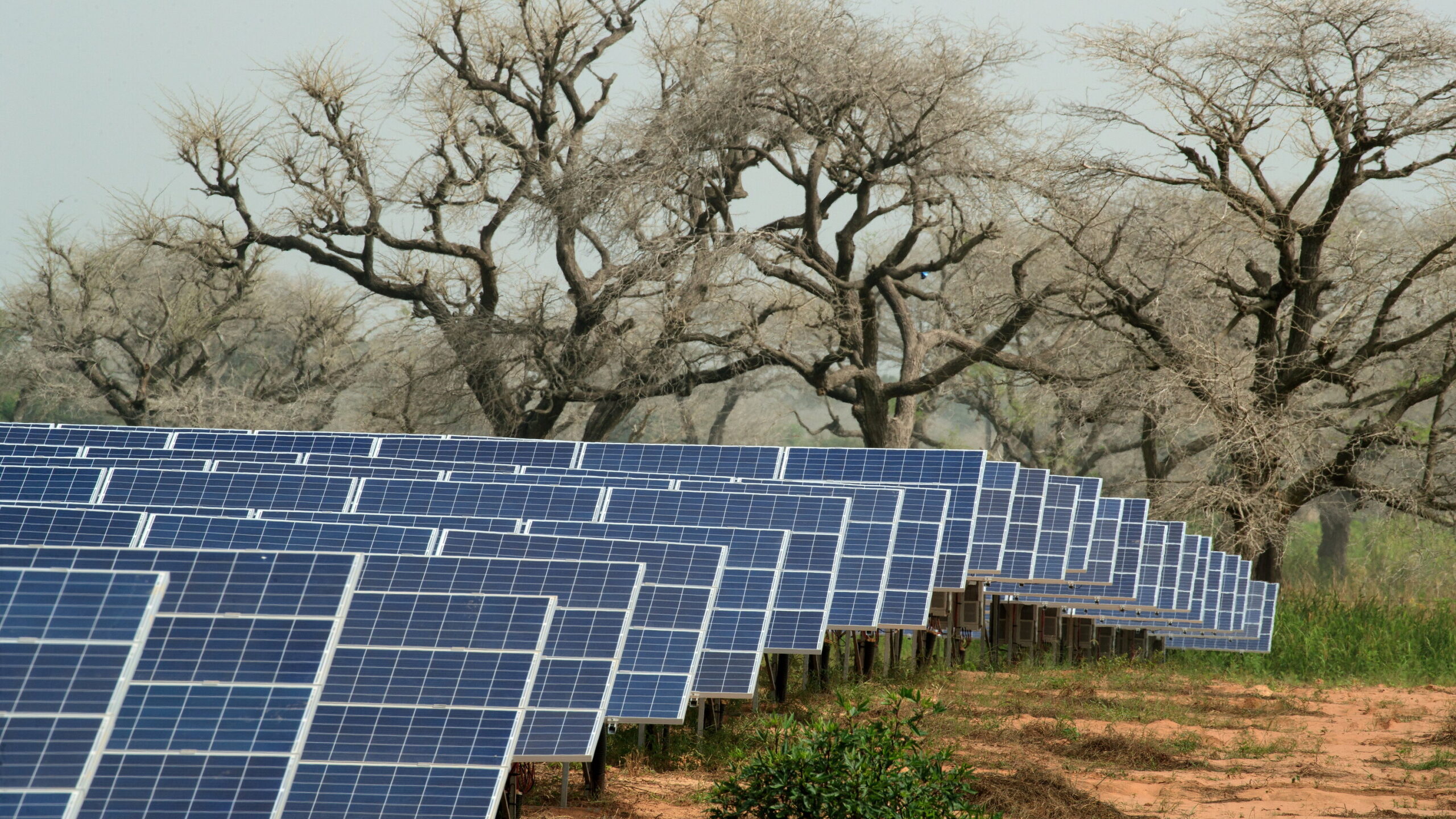
In tandem with ecological restoration, the deployment of renewable energy technologies presents a formidable opportunity to challenge the status quo. The reliance on fossil fuels exacerbates climate change significantly, yet the sparsely populated regions of Saharan Africa are rich in solar and wind potential. Ambitious solar energy projects could not only provide sustainable electricity for communities but also reduce reliance on environmentally harmful practices that degrade the land further. Furthermore, these renewable initiatives could contribute to international climate agreements, positioning Saharan countries on the global stage as key players in the fight against climate change.
However, the transition to renewable energy is fraught with challenges. Infrastructure deficits, inadequate financing, and policy misalignment threaten the scalability of projects. Thus, it is imperative for governments and international stakeholders to collaborate closely to create supportive networks that facilitate innovation and investment. This requires robust legislation, financial incentives, and education. Elevating awareness about the benefits of renewable energy among local populations can spur grassroots movements that advocate for these transformative changes.
Yet, the evidence of reversing climate change in Saharan Africa is not merely limited to initiatives designed to improve environmental conditions. Policy reforms addressing systemic inequalities and socio-economic disparity are integral to any successful climate strategy. Access to education, healthcare, and economic opportunities paves the way for communities to adapt to climate-related challenges effectively. By tackling these multi-dimensional issues, nations can empower citizens to not only survive the impacts of climate change but to thrive in spite of them.
Furthermore, cross-border collaboration illustrates the interconnectedness of climate issues. The Sahara does not exist in isolation. Collaborative projects among neighboring countries can maximize resource utilization and create synergies that amplify the impact of climate action initiatives. Sharing knowledge, resources, and best practices can foster resilience and innovation that span the region, signaling a collective commitment to confronting climate change.
As the exploration of climate change and its potential reversibility in Saharan Africa unfolds, it becomes evident that while the challenges are daunting, they are not insurmountable. The evidence gathered thus far underscores both the urgency and the feasibility of employing innovative strategies rooted in ecological restoration, renewable energy, and socio-economic reforms. It beckons a paradigm shift—a reorientation of priorities that elevates the plight of the Saharan communities while fostering global dialogue on sustainable development.
Indeed, the possibility of reversing climate change in Saharan Africa serves as a powerful reminder: it is not solely about the preservation of the environment but rather the preservation of humanity itself. The resilience of both nature and communities fuels the promise of a sustainable future. Will we rise to the occasion and harness this opportunity? Only time—and our collective action—will reveal the answer.






Leave a Comment