
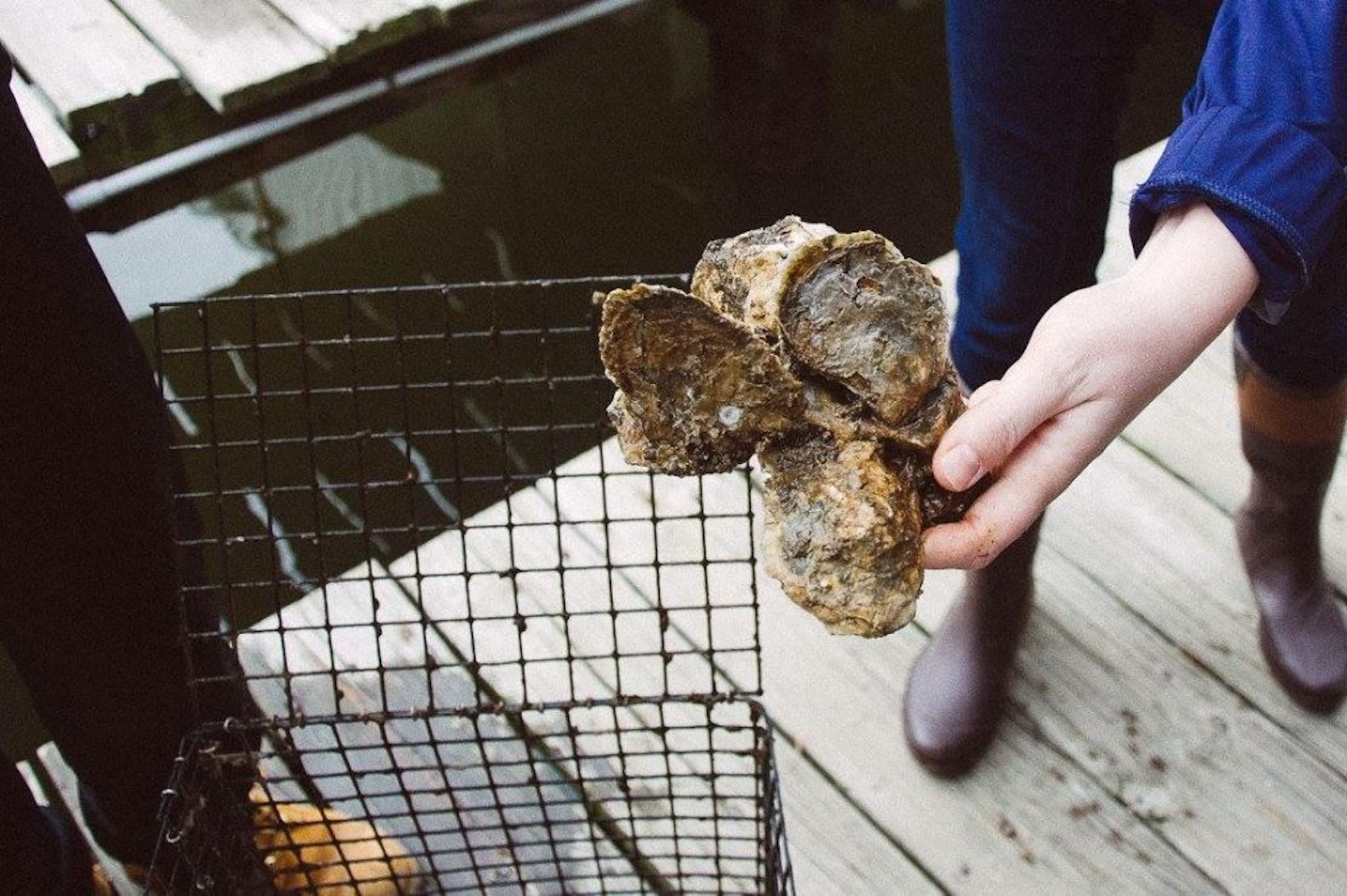
A £1 million government investment is being used to restore Britain’s oyster populations, strengthening coastal ecosystems, improving water quality, and enhancing climate resilience.
\n
Quick Answer
\n
Britain’s oyster restoration programme allocates £1 million to rebuild oyster reefs along the English and Welsh coasts. By seeding native oyster spat and protecting habitat, the project seeks to revive the species that filter water, provide habitat for fish and crustaceans, and act as natural breakwaters. Scientific monitoring suggests that healthy reefs can improve water clarity by up to 30 % and reduce shoreline erosion locally. However, the exact magnitude of climate‑adaptation benefits remains uncertain because long‑term data are limited.
\n
\n
Key Takeaways
\n
- \n
- £1 million is earmarked for oyster reef creation, habitat protection, and community engagement across Britain’s coast.
- Oyster reefs filter suspended particles, enhance biodiversity, and can dampen wave energy, supporting coastal resilience.
- Historical over‑harvesting, pollution, and habitat loss have reduced native oyster beds to less than 5 % of their pre‑industrial extent.
- Restoration success depends on suitable substrate, water quality, and coordinated monitoring.
- Long‑term benefits for climate adaptation are promising but still require robust, multi‑year studies.
\n
\n
\n
\n
\n
\n
\n
What Is Britain’s Oyster Restoration Boost?
\n
The £1 million funding package, announced by the UK Department for Environment, Food & Rural Affairs (DEFRA) in 2023, supports a coordinated effort to restore native Crassostrea gigas (Pacific oyster) and the native European oyster (Ostrea edulis) on the coasts of England and Wales. The programme includes three core components: (1) hatchery production of oyster spat, (2) deployment of spat onto suitable reef substrates, and (3) monitoring and community‑led stewardship. It differs from commercial aquaculture because the goal is ecological function, not harvest, and it targets historically depleted reef locations.
\n
How Does the Restoration Process Work?
\n
1. Site Selection and Baseline Assessment
\n
Scientists use sonar mapping, water‑quality data, and historic records to identify sites where natural reefs once existed and where current conditions can support oyster settlement.
\n
2. Spat Production
\n
Specialist hatcheries grow oyster larvae in controlled tanks, ensuring genetic diversity and disease‑free stock. The larvae are settled onto biodegradable mesh or limestone cubes that act as artificial reef material.
\n
3. Deployment
\n
Trained volunteers and commercial divers attach the spat‑laden substrates to the seabed using low‑impact methods such as weighted frames or anchoring to existing hard structures.
\n
4. Protection Measures
\n
De‑fencing, gear‑restriction zones, and seasonal closures reduce harvesting pressure while the reefs mature, typically over 2–3 years.
\n
5. Monitoring and Adaptive Management
\n
Regular surveys record survival rates, growth, water‑clarity changes, and associated fauna. Data inform adjustments to substrate type, spacing, or protection levels.
\n
What Does the Evidence Show?
\n
Long‑term monitoring by the Marine Conservation Society (MCS) and academic studies indicate that restored oyster reefs can increase local biodiversity by 20‑40 % and remove up to 30 % of suspended particulates within a 50‑meter radius (MCS, 2022). A systematic review of European oyster restoration projects (Ecology Letters, 2021) found consistent improvements in fish abundance and a modest reduction in shoreline erosion where reefs were dense enough to break wave energy. These findings are based on field experiments and peer‑reviewed meta‑analyses, providing moderate‑strength evidence for ecosystem benefits.
\n
Main Causes or Drivers of Oyster Decline
\n
Over‑harvesting
\n
Commercial dredging from the 19th to mid‑20th centuries removed up to 90 % of mature oysters, depleting the reproductive stock.
\n
Habitat Loss
\n
Coastal development, river dredging, and the loss of intertidal mudflats reduced the hard substrates needed for oyster attachment.
\n
Pollution and Eutrophication
\n
Excess nutrients from agriculture and wastewater increase algal blooms, which can suffocate oyster larvae and lower dissolved oxygen.
\n
Disease
\n
Pathogens such as Bonamia ostreae and Marteilia refringens have caused periodic mass mortalities, especially in the native European oyster.
\n
Climate Change
\n
Rising sea temperatures and ocean acidification stress calcification processes, making larvae more vulnerable.
\n
Environmental and Human Impacts
\n
Environmental Impacts
\n
Restored reefs act as biogenic habitats, supporting fish, crabs, and seabirds. By filtering suspended particles, they improve water clarity, which benefits seagrass beds and photosynthetic algae. The physical structure also attenuates wave energy, reducing coastal erosion locally.
\n
Human Health and Social Impacts
\n
Cleaner water can lower the risk of harmful algal blooms that produce toxins affecting shellfish safety. Enhanced coastal resilience protects property and tourism infrastructure from storm surge, offering indirect public‑health benefits.
\n
Economic and Infrastructure Impacts
\n
Healthy oyster reefs can boost local fisheries by providing nursery grounds, potentially increasing sustainable catches. Reduced erosion may lower maintenance costs for sea defenses, though quantifying these savings requires longer‑term economic analysis.
\n
Regional Differences Within Britain
\n
Restoration sites in the southwest (Cornwall, Devon) benefit from relatively low sedimentation, while sites in the east coast (East Anglia) face higher nutrient loads from agricultural runoff. The Irish Sea shows moderate success where historic reefs persisted, whereas the North Sea faces stronger wave exposure, necessitating denser substrate placement. These variations illustrate that a one‑size‑fits‑all approach is ineffective; local conditions dictate design and monitoring intensity.
\n
What Scientists Know With High Confidence
\n
- \n
- Oyster reefs provide ecosystem services such as water filtration, habitat provision, and wave attenuation.
- Historical over‑exploitation and habitat loss are the primary drivers of the current decline of native oyster populations in Britain.
- Restored reefs can increase local biodiversity and improve water clarity when water quality is not severely degraded.
- Community involvement improves project stewardship and long‑term maintenance.
\n
\n
\n
\n
\n
\n
What Remains Uncertain
\n
Key uncertainties include the long‑term survival of spat under future climate scenarios, the scalability of cost‑effective substrate materials, and the precise magnitude of coastal protection benefits across diverse wave regimes. More multi‑year, site‑specific monitoring is needed to resolve these gaps.
\n
\n
Common Misconceptions
\n
Misconception: Oyster restoration is the same as commercial oyster farming.
\n
Reality: Restoration focuses on ecological function and biodiversity, using non‑harvestable stock and protecting reefs from fishing, whereas aquaculture aims for food production.
\n
Misconception: Oysters can clean any polluted water.
\n
Reality: Oysters filter suspended particles and phytoplankton but cannot remove heavy metals or dissolve chemical contaminants; water‑quality improvements depend on the type of pollution.
\n
Misconception: Restored reefs instantly stop coastal erosion.
\n
Reality: Reef structures gradually develop the mass needed to dissipate wave energy; measurable erosion reduction often appears after several years of growth.
\n
\n
Solutions and Limitations
\n
Restoration is a nature‑based solution that complements, but does not replace, other measures such as managed realignment, hard sea walls, and pollution control. Limitations include the high upfront cost of substrate, the need for ongoing protection from fishing gear, and uncertainty about performance under future acidification. Successful outcomes require integrated coastal zone management that aligns habitat restoration with water‑quality regulations and climate‑adaptation planning.
\n
What Individuals, Communities, and Governments Can Do
\n
What Individuals Can Do
\n
Support certified sustainable seafood, reduce nutrient runoff from home gardens, and volunteer with local marine conservation groups that conduct reef‑building events.
\n
What Communities and Organizations Can Do
\n
Partner with hatcheries to sponsor spat production, organize shoreline clean‑ups, and develop citizen‑science monitoring programs that track water clarity and species presence.
\n
What Governments Can Do
\n
Provide stable funding for long‑term monitoring, enforce gear‑restriction zones, integrate oyster reef targets into coastal‑management plans, and incentivize land‑use practices that lower nutrient loads.
\n
Looking Forward
\n
The £1 million boost represents a pivotal step toward re‑establishing functional oyster reefs along Britain’s coast. Evidence shows that healthy reefs filter water, support biodiversity, and can buffer wave energy, while uncertainties remain about climate resilience and economic scalability. By combining scientific research, community stewardship, and policy support, the initiative aims to create self‑sustaining habitats that benefit both marine ecosystems and the people who depend on them.
Frequently Asked Questions
What is the £1 million oyster restoration programme in the UK?
The programme, launched by DEFRA in 2023, provides £1 million to create and protect oyster reefs along England and Wales, using hatchery‑grown spat, artificial substrates, and community stewardship to rebuild native oyster populations for ecological benefit.
How do oyster reefs improve water quality?
Oysters filter suspended particles and phytoplankton as they feed, removing up to 30 % of particulates within a 50‑meter radius, which clarifies water, supports seagrass growth, and reduces the intensity of harmful algal blooms.
What are the main threats that caused oyster decline in Britain?
Key threats include historic over‑harvesting, loss of hard substrate from coastal development, nutrient‑driven pollution, disease outbreaks such as Bonamia and Marteilia, and climate‑related stressors like warming and ocean acidification.
How does restoring oysters help protect coastlines from climate impacts?
Mature oyster reefs act as natural breakwaters; their three‑dimensional structure dissipates wave energy, which can lower local erosion rates and provide a buffer against storm surge, enhancing coastal climate‑adaptation resilience.
What actions can local communities take to support the restoration effort?
Communities can volunteer in reef‑building events, sponsor spat production, conduct citizen‑science water‑quality monitoring, and promote nutrient‑reduction practices on land to create favorable conditions for oyster settlement.




Leave a Comment