Brazilian sugarcane bioethanol cuts lifecycle greenhouse‑gas emissions by up to 85% compared with gasoline, but its expansion can drive deforestation, water stress, and social challenges.
Quick Answer
Bioethanol in Brazil is an alcohol fuel produced by fermenting sugarcane juice, then blending the ethanol with gasoline (up to 27% by volume). The carbon captured during cane growth roughly offsets the CO₂ released when the fuel burns, delivering a net lifecycle reduction of 70–85% in greenhouse‑gas intensity when land‑use change is avoided. The climate benefit is strong, yet large‑scale monoculture can cause forest loss, water depletion, agrochemical runoff, and labor disputes, meaning the overall impact depends on how plantations are managed.
Key Takeaways
- Lifecycle analyses show a 70–85% reduction in CO₂ emissions per kilometre compared with conventional gasoline.
- Expansion of sugarcane fields has been linked to modest forest loss, especially on the Amazon and Cerrado margins.
- Intensive irrigation uses 1,500–2,000 L of water per tonne of harvested cane, raising water‑security concerns in semi‑arid regions.
- Rural employment rises, yet seasonal labor often faces low wages and limited contracts.
- Second‑generation ethanol from bagasse or other residues can lower land‑use pressure, but commercial scale is still limited.
What Is Bioethanol in Brazil: A Climate Solution With Trade‑Offs?
Bioethanol is an alcohol fuel produced by fermenting sugars from plants. In Brazil, more than 95% of bioethanol comes from the C4 grass sugarcane (Saccharum officinarum), a fast‑growing crop that stores large amounts of carbohydrate in its stalks. The fuel is blended with gasoline at up to 27% (the E27 mandate) and powers over 40% of the nation’s vehicle fleet, according to the Brazilian Ministry of Mines and Energy (2022). Bioethanol differs from the broader term “biofuel,” which can also include biodiesel, biogas, or renewable diesel.
How Does It Work?
- Cultivation and Harvest: Farmers plant sugarcane cuttings that sprout and reach maturity in 12–14 months, capturing solar energy and atmospheric CO₂ through photosynthesis.
- Extraction and Fermentation: Harvested stalks are crushed in mills to extract sugary juice. Yeast (Saccharomyces cerevisiae) ferments the sugars at around 30 °C, producing ethanol and carbon dioxide.
- Distillation and Hydration: The fermented broth is distilled to about 95% ethanol by volume. Water is added to reach the desired blend strength for automotive use.
- Distribution and Use: Ethanol is transported via pipelines or trucks to blending terminals, mixed with gasoline, and sold at fuel stations. When burned, the ethanol releases CO₂ that is roughly equal to the amount the cane captured during growth, creating a closed‑loop carbon cycle.
What Does the Evidence Show?
Life‑cycle assessments (LCAs) compiled by the International Energy Agency (2020) and Brazil’s National Biofuels Program consistently report a 70–85% reduction in CO₂ emissions per megajoule of energy compared with conventional gasoline. Satellite monitoring by Brazil’s Institute of Space Research (INPE) indicates that new sugarcane plantations caused a net loss of about 0.3 million ha of forest between 2005 and 2015, a modest but measurable contribution to deforestation. Water‑use studies from the Food and Agriculture Organization (FAO, 2019) estimate irrigation of 1,500–2,000 L per tonne of harvested cane, highlighting pressure on groundwater in the semi‑arid Central‑West. Social research published in *World Development* (2021) found a 12% rise in average farm income in cane‑producing municipalities, alongside an 8% increase in reported labor grievances.

Main Causes or Drivers
Policy Incentives
The mandatory blending mandate (E27) introduced in 1975 and tax credits for ethanol producers have created a stable domestic market, encouraging investment in new mills and fields.
Global Energy Prices
When international oil prices rise, ethanol becomes comparatively cheaper, prompting growers to expand acreage to capture higher margins.
Export Opportunities
Brazil exports ethanol to the United States and the European Union, providing an additional revenue stream that incentivises higher yields and larger plantations.
Agricultural Economics
Sugarcane yields average around 80 t ha⁻¹, and mechanised harvesting reduces labour costs, making cane more profitable than many food crops and steering land‑use decisions toward monoculture.
Environmental and Human Impacts
Environmental Impacts
- Carbon Balance: When land‑use change is avoided, bioethanol delivers strong net GHG reductions.
- Deforestation: Expansion into forest frontiers releases stored carbon and threatens biodiversity, especially in the Amazon and Cerrado.
- Water Use: Irrigated cane can lower groundwater tables and alter river flow regimes in water‑limited regions.
- Agrochemical Runoff: High fertilizer and pesticide applications can degrade soil health and pollute waterways.
Human Health and Social Impacts
- Rural employment increases, particularly in harvesting, milling, and logistics.
- Seasonal workers often face low wages, short‑term contracts, and exposure to agrochemicals.
- Land‑ownership conflicts arise when large agribusinesses acquire land previously held by smallholders.
- Energy security improves as Brazil reduces reliance on imported oil, stabilising national trade balances.
Regional Differences
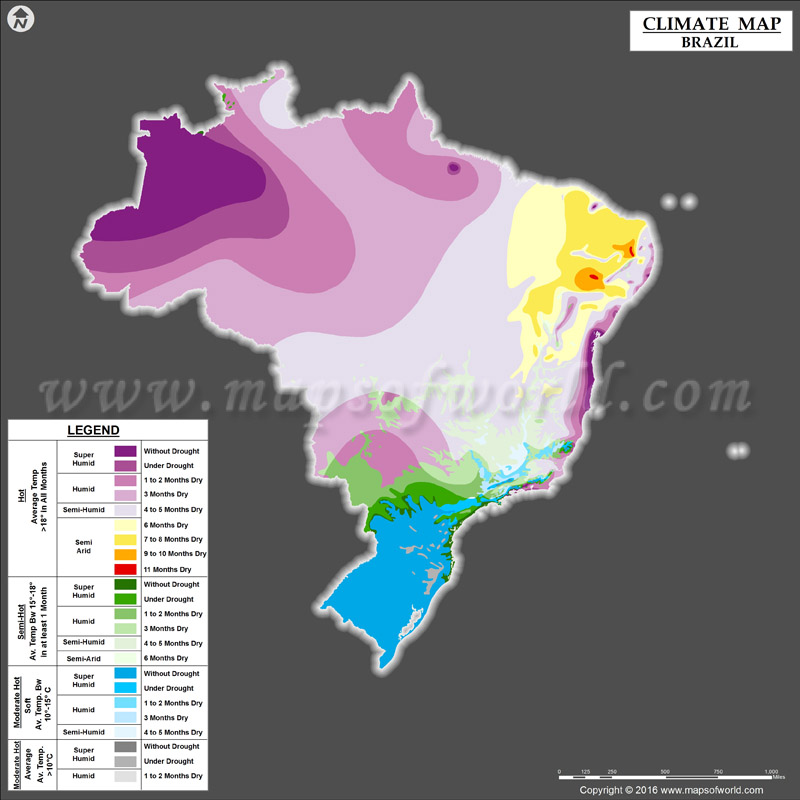
The bulk of Brazil’s ethanol is produced in the humid, fertile states of São Paulo, Minas Gerais, and Paraná, where yields exceed 80 t ha⁻¹ and water stress is minimal. In contrast, the expanding frontier in the Central‑West (Mato Grosso do Sul, Goiás) faces semi‑arid conditions; here irrigation demand is higher and the risk of encroaching on the Cerrado savanna is greater. Isolated incursions into the Amazon basin have been documented, often linked to illicit land clearing, which amplifies carbon emissions from forest loss.
What Scientists Know With High Confidence
- Fermentation of sugarcane sugars recycles the carbon captured during growth, delivering a net lifecycle GHG reduction of at least 70% when no land‑use change occurs (IPCC, 2022).
- Brazil’s mandatory blending policy has kept ethanol’s share of transport fuel above 30% for three decades, markedly reducing national petroleum imports.
- Large‑scale monoculture increases water consumption and agrochemical runoff compared with diversified cropping systems (FAO, 2019).
What Remains Uncertain
Key knowledge gaps include the precise magnitude of indirect land‑use change when new cane fields replace other crops, long‑term soil carbon dynamics under intensive tillage, and the socio‑economic outcomes for smallholder farmers under evolving labour contracts. Current satellite‑based monitoring provides high spatial resolution, but modelled estimates of indirect effects still vary widely, limiting the ability to quantify total climate impact.
Common Misconceptions
Misconception: Bioethanol eliminates all carbon emissions.
Reality: Combustion emissions are largely offset by plant growth, but emissions from land‑use change, fertilizer production, and processing can offset part of the benefit.
Misconception: All Brazilian sugarcane is grown on previously cleared land.
Reality: The majority of current plantations sit on long‑established agricultural land, yet a measurable share of recent expansion has occurred on forested or savanna areas.
Misconception: Bioethanol competes directly with food production.
Reality: Sugarcane is a non‑food crop, yet its expansion can displace food crops or pasture, influencing local food security in some regions.
Solutions and Limitations
- Second‑generation ethanol: Uses bagasse, straw, or dedicated energy crops (e.g., miscanthus) that do not require additional farmland. Technology is still scaling; commercial viability depends on policy support and capital investment.
- Improved agronomic practices: No‑till planting, precision fertiliser application, and integrated pest management can cut soil erosion and chemical runoff, but adoption costs can be a barrier for small farms.
- Land‑use zoning and enforcement: Strengthening protected‑area monitoring reduces illegal forest conversion, yet enforcement capacity varies across states.
- Certification schemes: Voluntary sustainability standards such as Bonsucro promote social and environmental criteria, but market uptake remains limited and verification can be costly.
What Individuals, Communities, and Governments Can Do
What Individuals Can Do
- Choose vehicles compatible with higher ethanol blends (E27 or flex‑fuel) to maximise climate benefit.
- Support products certified by recognised sustainability schemes.
- Advocate for transparent supply‑chain labeling of ethanol sources.
What Communities and Organizations Can Do
- Partner with local research stations to monitor water quality and soil health near cane fields.
- Develop cooperative models that give smallholders a stronger voice in contract negotiations.
- Promote agroforestry or inter‑cropping to diversify production and enhance biodiversity.
What Governments Can Do
- Maintain the blending mandate while tightening indirect‑land‑use‑change accounting in the national emissions inventory.
- Provide subsidies or low‑interest loans for second‑generation ethanol pilot plants.
- Strengthen enforcement of Brazil’s Forest Code and fund satellite‑based deforestation monitoring.
Closing Synthesis
Brazilian sugarcane bioethanol demonstrates how a renewable fuel can deliver substantial greenhouse‑gas reductions, yet its climate promise hinges on responsible land management, water stewardship, and equitable labour practices. High‑confidence evidence confirms the fuel’s lower carbon intensity, while uncertainties remain around indirect land‑use effects and long‑term soil health. Advancing second‑generation pathways, improving agronomic practices, and enforcing land‑use policies can preserve the climate upside while mitigating ecological and social trade‑offs.
Frequently Asked Questions
What is bioethanol and how is it produced in Brazil?
Bioethanol in Brazil is an alcohol fuel made by fermenting sugarcane juice. The juice is crushed from harvested stalks, fermented by yeast into ethanol, distilled to about 95% purity, then blended with gasoline up to 27% for use in vehicles.
How much can Brazilian bioethanol reduce greenhouse‑gas emissions?
Life‑cycle assessments show that Brazilian sugarcane ethanol reduces CO₂ emissions by 70–85% per megajoule of energy compared with conventional gasoline, provided that the expansion does not involve forest‑to‑cane land conversion.
What are the main environmental concerns linked to expanding sugarcane cultivation?
Key concerns include modest forest loss on the Amazon and Cerrado margins, high water consumption (1,500–2,000 L per tonne of cane), and agrochemical runoff that can degrade soils and pollute waterways.
What is second‑generation bioethanol and why is it important?
Second‑generation ethanol is produced from sugarcane residues such as bagasse or from non‑food energy crops, reducing the need for additional farmland. It offers a way to lower land‑use pressure while still delivering renewable fuel, though commercial scaling still requires policy and investment support.
How can individuals help improve the sustainability of Brazil’s bioethanol sector?
Individuals can choose vehicles that accept higher ethanol blends, support products certified by sustainability schemes like Bonsucro, and advocate for clear labeling that shows the ethanol’s origin and environmental credentials.







Leave a Comment