
Introduction
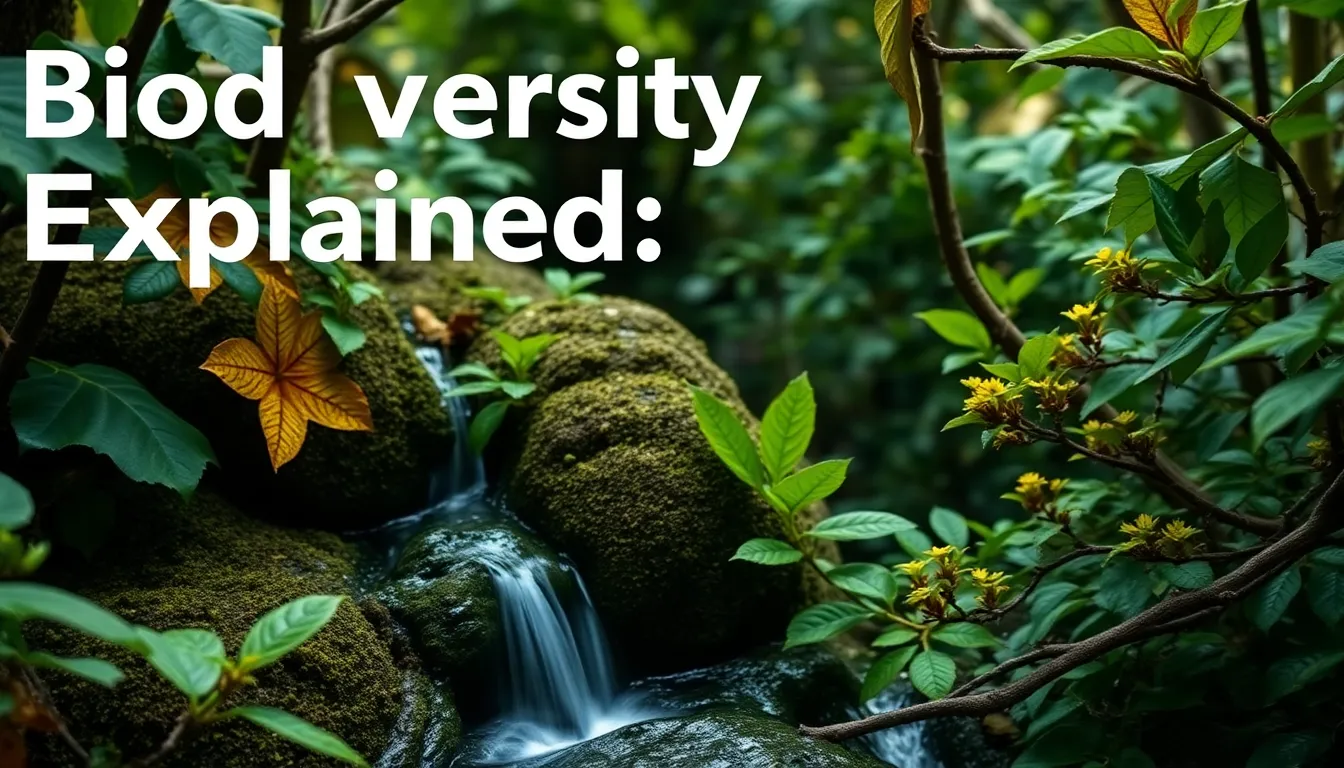
Life on Earth is losing its variety at an unprecedented pace. From disappearing insects in farmlands to coral reefs turning white, the decline of biodiversity threatens food security, health, and climate stability. This article explains what biodiversity is, why its loss matters, the main forces driving the decline, and the most effective pathways for recovery. By the end you will understand the science, see real‑world examples, and know actionable steps you can support.
Biodiversity Basics
Biodiversity refers to the variety of life at three interconnected levels: genetic diversity within species, the number of species themselves, and the diversity of ecosystems that house them. High biodiversity creates resilient systems that can adapt to change, provide ecosystem services, and support human well‑being.
For a deeper dive into these concepts, see our Biodiversity Basics guide.
Why Biodiversity Matters
- Food and medicine: Over 70% of modern medicines trace back to natural compounds.
- Climate regulation: Forests, wetlands, and oceans store carbon and moderate weather patterns.
- Economic value: Pollination, water purification, and tourism generate billions of dollars annually.
- Cultural heritage: Many societies base traditions and identities on local species.
Levels of Biodiversity
- Genetic diversity – variation within a species that enables adaptation.
- Species diversity – the number of distinct species in a region.
- Ecosystem diversity – the range of habitats, from rainforests to coral reefs.
Why Biodiversity Is Declining
Multiple, interacting pressures are driving the rapid loss of species and habitats. Understanding each driver helps target solutions.
Habitat Loss
Conversion of wild land for agriculture, urban development, and infrastructure fragments ecosystems, leaving species with insufficient space and resources. The Habitat Loss category details the most affected regions.
Forests and Deforestation
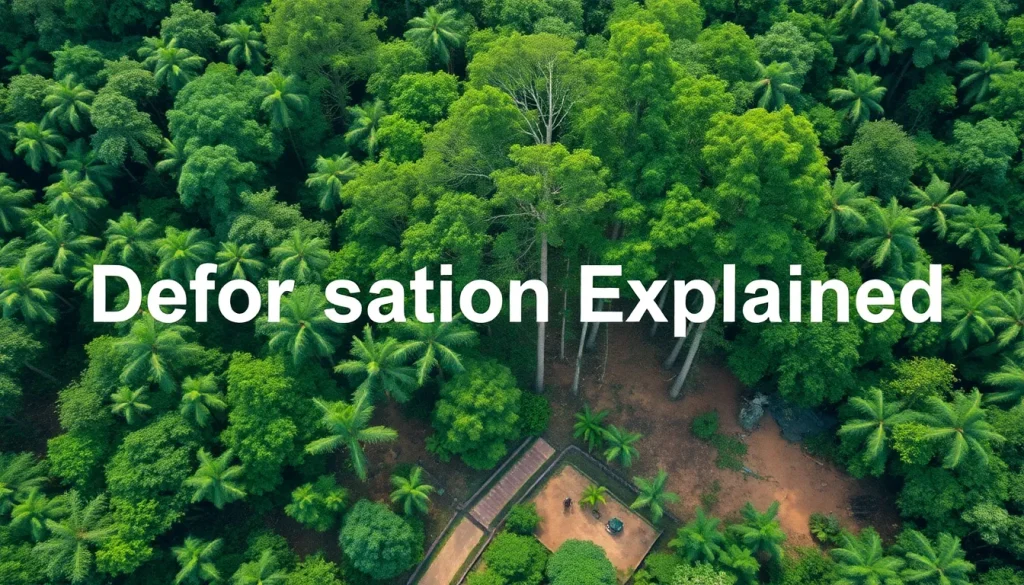
Tropical forests store more than 80% of terrestrial biodiversity. Logging, cattle ranching, and palm oil plantations have cleared millions of hectares, reducing habitat and altering climate patterns. Explore more at Forests and Deforestation.
Species Extinction
Current extinction rates are estimated to be 100–1,000 times higher than the natural background rate. Overexploitation, habitat destruction, and climate change push many species toward the brink. Detailed information is available in Species Extinction.
Invasive Species
Non‑native organisms introduced intentionally or accidentally can outcompete, prey on, or bring diseases to native species. The spread of invasive plants like kudzu in the United States and the lionfish in the Caribbean exemplifies this threat. Learn more at Invasive Species.
Soil and Land Degradation
Unsustainable farming, overgrazing, and mining erode topsoil, reduce microbial diversity, and diminish the capacity of land to support plant life. Soil health is a cornerstone of overall biodiversity, as discussed in Soil and Land.
Freshwater Ecosystem Decline
Rivers, lakes, and wetlands face pollution, dam construction, and water extraction, leading to loss of fish, amphibians, and aquatic plants. The Freshwater Ecosystems page outlines key challenges.
Ecosystem Impacts of Biodiversity Loss
When species disappear, the services they provide weaken. Pollination deficits reduce crop yields; loss of predators can cause pest outbreaks; diminished carbon sinks accelerate climate change. These feedback loops make restoration even more urgent.
Pathways to Recovery
Recovery hinges on protecting what remains, restoring what is lost, and reshaping human behavior. Below are the most effective strategies.
Wildlife Conservation
Protected areas, anti‑poaching patrols, and community‑based stewardship safeguard critical habitats. Success stories include the recovery of the American bald eagle and the increase of mountain gorilla populations. For more on conservation actions, visit Wildlife Conservation.
Ecosystem Restoration
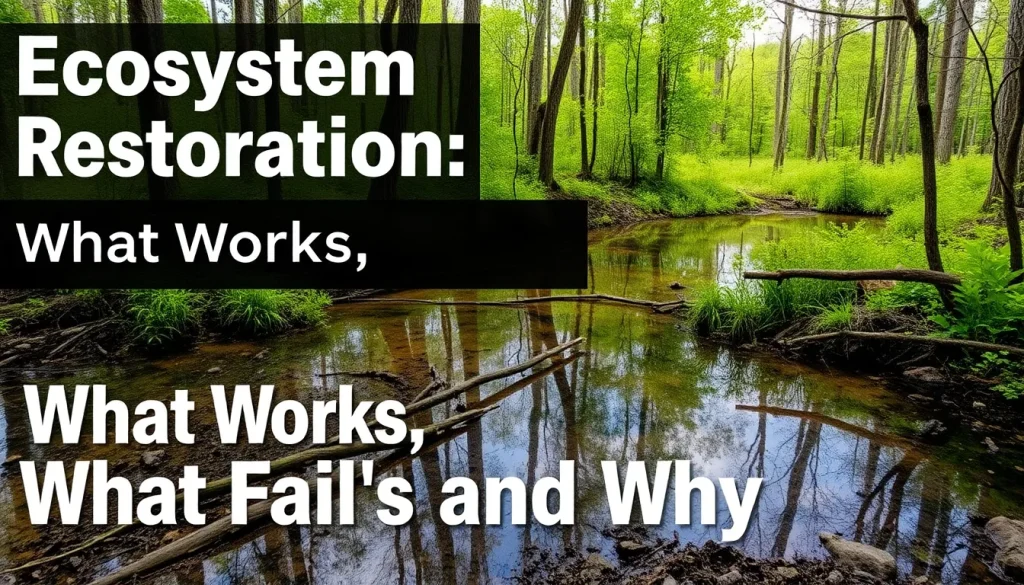
Restoration projects re‑establish native vegetation, reconnect fragmented habitats, and reintroduce keystone species. Large‑scale initiatives like the Atlantic Forest restoration in Brazil illustrate how carbon sequestration and biodiversity can grow together. Detailed guidance is found in Ecosystem Restoration.
Reforestation and Afforestation
Planting native trees restores carbon sinks, stabilizes soils, and provides corridors for wildlife. Selecting species adapted to local conditions maximizes survival and ecosystem benefits.
Invasive Species Management
Early detection, rapid response, and public education limit the spread of invasives. Mechanical removal, biological control, and stringent biosecurity measures are common tools.
Soil Regeneration
Practices such as cover cropping, reduced tillage, and organic amendments rebuild soil structure, boost microbial diversity, and improve water retention.
Freshwater Restoration
Removing obsolete dams, improving wastewater treatment, and restoring riparian buffers revive fish populations and enhance water quality.
Practical Steps for Individuals and Communities
- Support certified sustainable products (e.g., FSC timber, MSC seafood).
- Participate in local tree‑planting or river‑cleanup events.
- Reduce food waste and choose plant‑based meals to lower pressure on land.
- Donate to or volunteer with organizations focused on wildlife conservation and restoration.
- Advocate for policies that protect critical habitats and fund restoration.
Future Outlook and Emerging Trends
Technological advances—such as satellite monitoring of deforestation, eDNA surveys for hidden species, and AI‑driven habitat modeling—offer new hope for early detection and targeted action. However, success still depends on political will, adequate funding, and inclusive community engagement.
Conclusion
Biodiversity is the foundation of a healthy planet, yet it is declining due to habitat loss, invasive species, and other human pressures. By protecting remaining ecosystems, restoring degraded lands, and adopting sustainable practices, we can halt the slide and set Earth on a path toward recovery. The choices we make today will determine whether future generations inherit a vibrant, resilient world.
Frequently Asked Questions
What is biodiversity and why is it important?
Biodiversity is the variety of life at genetic, species, and ecosystem levels. It provides food, medicine, climate regulation, and cultural value, making ecosystems resilient and supporting human well‑being.
What are the main drivers of biodiversity loss?
The primary drivers include habitat loss from land conversion, deforestation, invasive species, overexploitation, soil degradation, freshwater pollution, and climate change.
How does habitat loss affect species extinction?
When habitats are fragmented or destroyed, species lose the space and resources they need to survive, leading to smaller populations, reduced genetic diversity, and higher extinction risk.
What actions can help restore degraded ecosystems?
Restoration actions include protecting remaining habitats, reforestation with native species, removing invasive species, rebuilding soil health through regenerative agriculture, and restoring rivers and wetlands.
How can individuals contribute to biodiversity conservation?
Individuals can choose sustainable products, join local planting or cleanup events, reduce waste, support conservation NGOs, and advocate for protective policies that safeguard wildlife and habitats.





Leave a Comment