

Tides vs. Sea Level Rise: What’s the Difference?
Tides are short‑term, predictable water‑level changes driven by lunar and solar gravity, while sea level rise is a long‑term increase caused mainly by
November 4, 2025
 Edward Philips
Tides are short‑term, predictable water‑level changes driven by lunar and solar gravity, while sea level rise is a long‑term increase caused mainly by
November 4, 2025
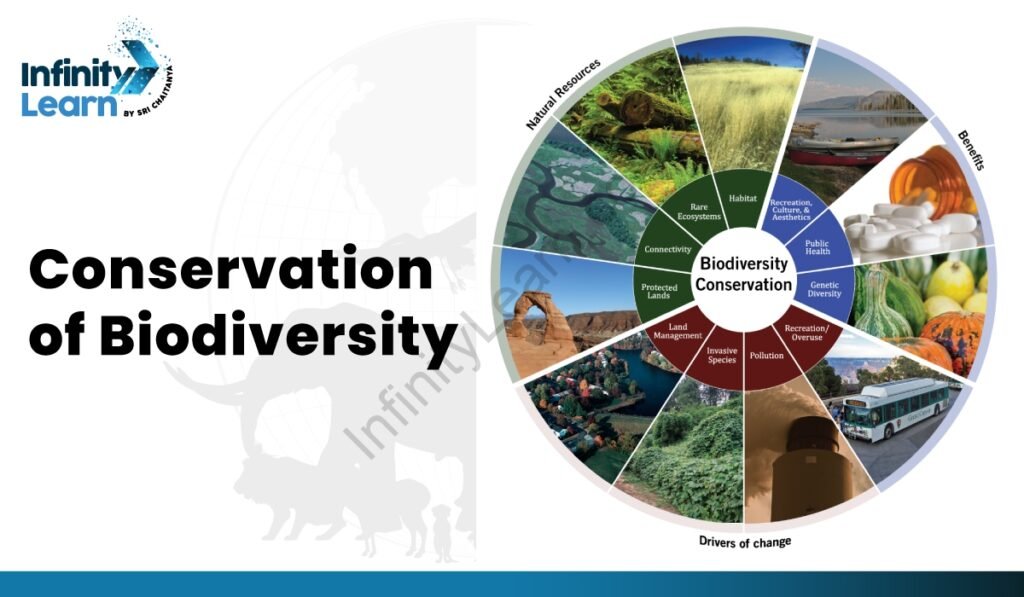
Biodiversity conservation is the science‑based practice of protecting species, habitats, and genetic diversity to maintain ecosystem services, human wellbeing, and the planet’s resilience.
November 4, 2025
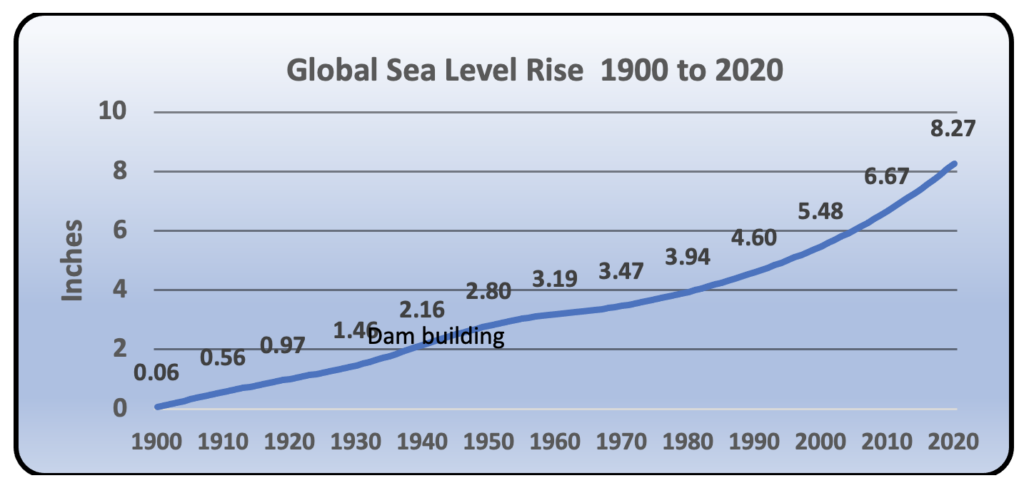
Sea level has risen about 3 mm per year over the past two decades, driven by thermal expansion and ice loss, with measurable impacts
November 4, 2025
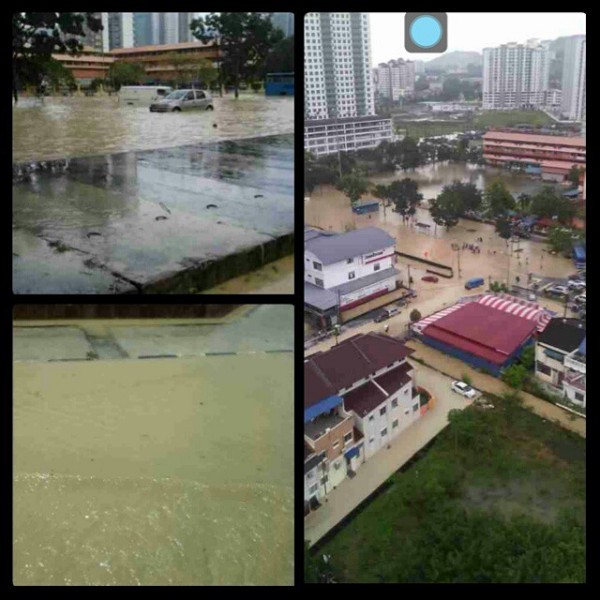
The greenhouse effect is a natural atmospheric process that keeps Earth warm, but human activities have amplified it, creating a mixed natural‑and‑anthropogenic phenomenon.
November 4, 2025
Creative glacier drawing projects blend art and science to illustrate how glaciers record climate change, engage learners, and inspire community action on a
November 4, 2025
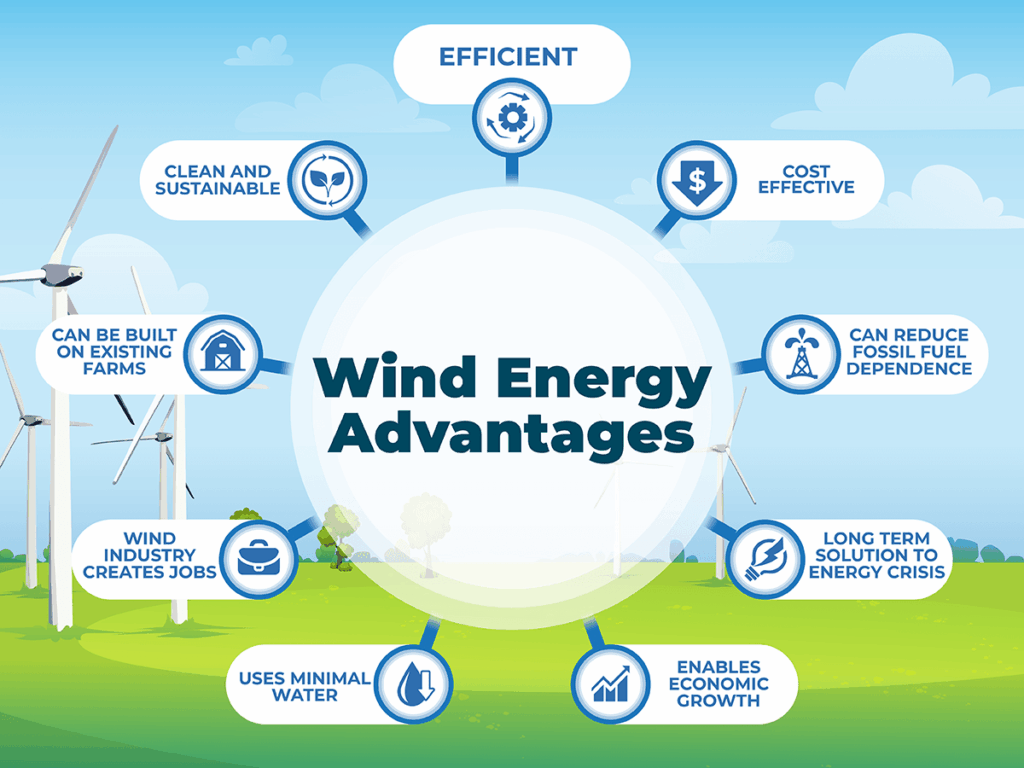
Wind energy provides a renewable source of electricity that can cut greenhouse‑gas emissions and boost energy security, yet its intermittency, land use, and
November 3, 2025

September 23, 2026

September 22, 2026

September 21, 2026

24Earth is an independent environmental knowledge platform explaining climate, oceans, biodiversity, pollution, energy, and planetary change through accessible, evidence-based reporting.
Copyright ©2026
24Earth.