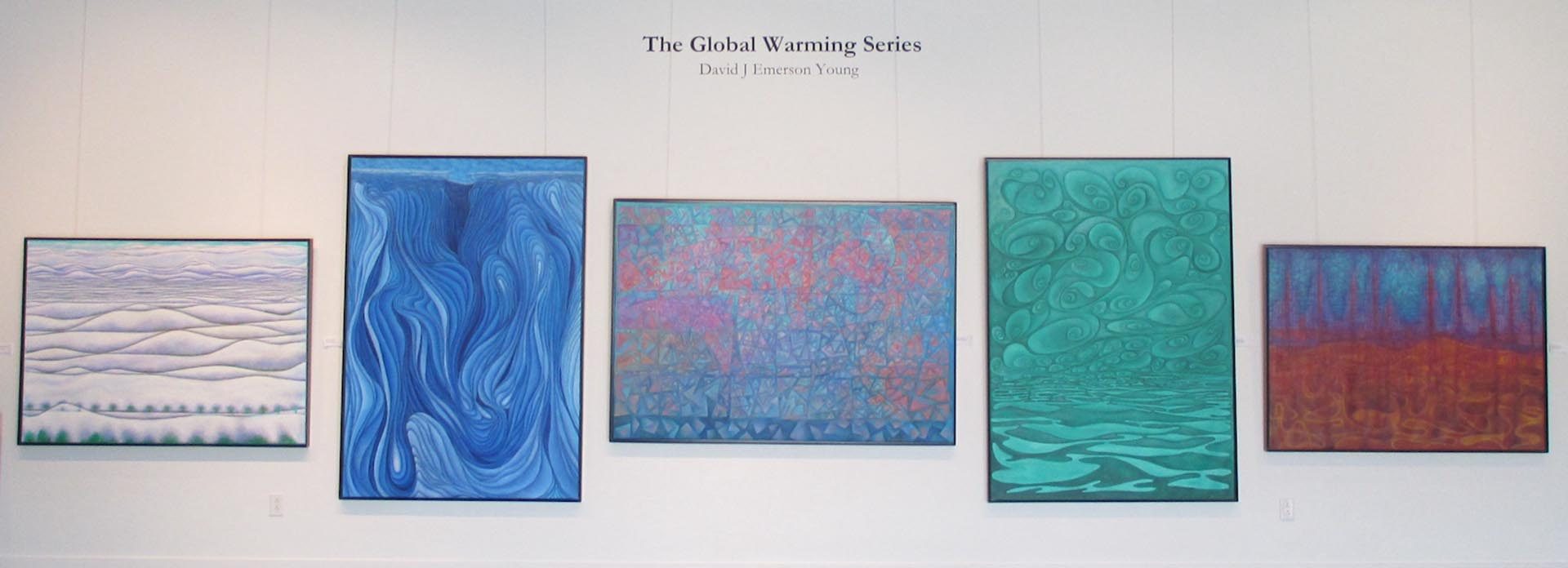
In an era when the scientific community bellows ominously about the implications of climate change, a vibrant and evocative response emerges from an unexpected bastion: the realm of art. Artists, armed with brushes, cameras, and novel media, have become the vanguard of a movement that melds creativity with activism. Their works not only command attention but also resonate deeply with the existential dread and unyielding hope surrounding global warming. This discourse aims to illuminate the various ways in which artists are articulating the environmental crisis through their poignant visual narratives.
The canvas becomes a battleground where emotions transmute into visuals, reflecting the anxieties of a planet in peril. Across genres and mediums, artists employ a melange of styles to forge a connection between their audiences and the often-abstract concept of global warming. One salient example is the use of surrealism, which morphs reality into striking impressions that provoke contemplation. By distorting landscapes into otherworldly scenes, artists compel viewers to confront a future that is both beautiful and terrifying.
Consider the Arctic art installations, where glacial ice is not merely a backdrop but a central character in the story of climate change. An installation composed of melting ice sculptures serves as a metaphor for fragility and temporality. As the icy forms dissolve under the warmth of studio lights, they embody the very essence of loss, a harbinger of what will be if humanity continues its relentless assault on nature. Such artistic endeavors resonate at a primal level, stirring the subconscious to acknowledge the looming shadow of environmental degradation.
Moreover, photography emerges as a powerful medium for capturing the stark realities of climate change. Photographers wield their cameras not just to document vanishing species or shrinking habitats, but to craft a narrative steeped in urgency. The juxtaposition of naturistic beauty against the backdrop of industrial devastation serves as an unsettling reminder of the duality of existence—the allure of nature counterbalanced by humanity’s insatiable appetite for consumption. Each frame becomes a mirror, reflecting the disquietude that lies within our collective conscience.
Another avenue of artistic expression that grapples with the theme of global warming is the medium of film. Documentaries have proliferated, weaving compelling visual tales that epitomize the struggle against climate change. Artistic filmmakers leverage cinematic techniques to create emotive experiences that compel the audience to engage with the subject matter. Through elegant visuals and haunting soundscapes, these films not only inform but also evoke empathy, necessitating a response from viewers that extends beyond passive consumption.
Installation art further expands the dialogue surrounding environmental issues, pondering the merging of the artificial and the organic. Interactive installations invite observers to grapple with their own role in the climate crisis. For instance, artworks that incorporate recycled materials force viewers to reckon with their consumer habits and the impact of waste on the environment. These installations morph into both a critique and a call for action, pushing the envelope of how art can foster sustainability and awareness.
Moreover, performance art transcends traditional boundaries, positioning the artist as both creator and activist. Through immersive experiences, performers don’t just present art; they invite audiences to participate in a visceral journey. An example could be a collective performance that recreates the process of deforestation, involving participants mimicking the machinery that ravages forests. This audacious act serves as a visceral reminder of the human hand in altering the Earth’s landscapes, compelling onlookers to confront the devastating impact of their daily choices.
The integration of technology into art serves as a contemporary touchstone, merging digital mediums with environmental narratives. Innovative artists leverage augmented reality and virtual platforms to create interactive experiences that resonate with the digital age. For instance, a virtual reality experience might plunge participants into a coral reef teeming with life, only to transition into a stark depiction of a bleached, lifeless ocean floor. This juxtaposition, executed through the lens of innovative technology, amplifies the emotional weight of the message, providing an immediate, immersive understanding of the stakes involved.
Symbolism plays a pivotal role in art responding to global warming. Artists often employ metaphorical imagery to convey a broader message that transcends the visual. The phoenix rising from the ashes, for example, embodies hope amidst destruction, hinting at the possibility of rebirth and rejuvenation following environmental catastrophe. Such symbolism invites discourse around resilience, forging a narrative that emphasizes the potential for recovery and collective action.
In discussing the intersection of art and activism, one must not overlook the community aspect fostered by artistic responses to global warming. Many artists collaborate with environmental organizations, leveraging their platforms to advocate for policy changes and engage the public in dialogues about sustainability. Art opens the door to conversations that might otherwise remain dormant, facilitating an exchange of ideas and inspiring a collective path forward.
In conclusion, artists wield the power of visual narrative to shed light on the pernicious threat of global warming. Through various mediums and methods—from striking symbolic metaphors to immersive experiences—they catalyze a necessary conversation about environmental stewardship. As the visual landscape continues to evolve, the marriage of art and activism will play a crucial role in invigorating public discourse, reminding us that the brush and canvas can be as potent as science and legislation. The call to action reverberates through the creative community, challenging us all to not only witness but participate in the fight against climate change. The conversation has commenced—will you heed the call?





Leave a Comment