
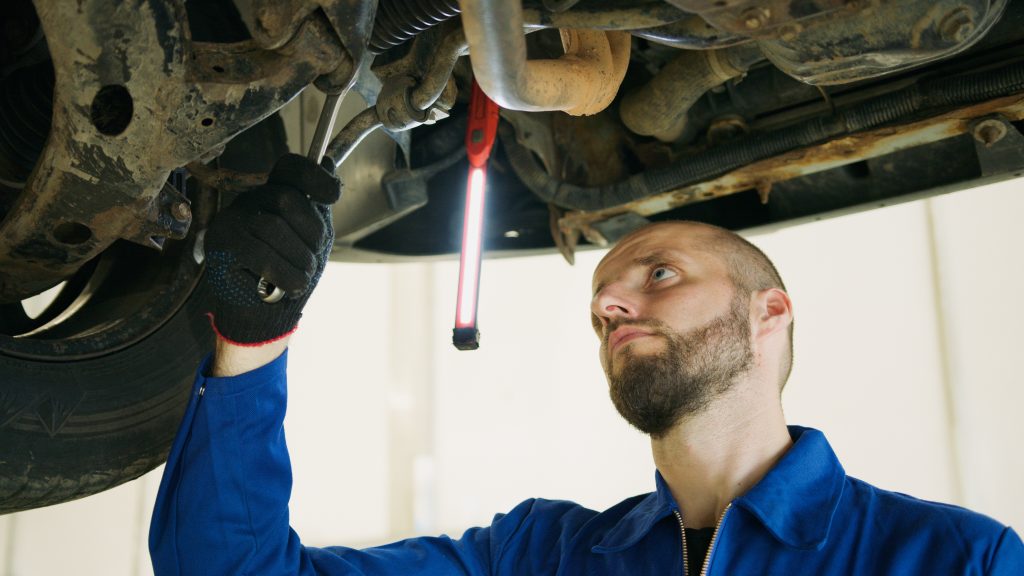
Apple’s entry into the Right to Repair movement marks a pivotal step toward reducing electronic waste, extending device lifespans, and advancing environmental justice.
Quick Answer
The Right to Repair movement advocates for consumer access to repair manuals, tools, and genuine parts so devices can be fixed rather than discarded. Apple’s recent policy change—allowing independent repair shops and offering parts online—helps keep smartphones, tablets, and laptops in use longer, thereby lowering the volume of e‑waste that contributes to resource extraction and greenhouse‑gas emissions. While the full environmental benefit depends on adoption rates and product design, the shift reduces waste generation and creates a more equitable repair market.
Key Takeaways
- Apple now provides official repair manuals and genuine parts to independent technicians.
- Extending device lifespans can cut global e‑waste, which the United Nations estimates will reach 74 million tons by 2030.
- Repairability improves resource efficiency, reducing demand for mined minerals such as cobalt and rare‑earth elements.
- Greater access to repair supports economic equity by lowering repair costs for low‑income consumers.
- Industry‑wide ripple effects are possible, as Apple’s policies often set standards for other manufacturers.
What Is Apple Joins the Right to Repair Movement: A Win for the Planet?
The phrase combines two concepts. The “Right to Repair” is a global advocacy effort that seeks legal and practical pathways for owners to fix their own electronics. Apple’s participation means the company has officially released repair documentation, sold genuine components through its online store, and loosened software restrictions that previously limited repairs to Apple‑authorized service providers. This shift expands the repair ecosystem, making it easier for consumers, independent shops, and third‑party vendors to service iPhones, iPads, MacBooks, and related accessories.
How Does It Work?
Step 1 – Access to Documentation
Apple publishes detailed teardown guides and diagnostic procedures on its website. These PDFs describe how to disassemble a device, identify components, and replace parts safely.
Step 2 – Availability of Genuine Parts
Through an online parts portal, independent technicians can purchase OEM batteries, screens, and logic‑board components at wholesale prices. The parts are packaged with serial‑number tracking to ensure authenticity.
Step 3 – Certification of Third‑Party Repairers
Apple offers a voluntary certification program that trains technicians on safety standards and proper handling of proprietary screws and adhesives. Certified shops gain the right to use Apple‑branded tools, which reduces the risk of accidental damage.
Step 4 – Consumer Choice
Device owners can now compare repair quotes from Apple stores, certified third‑party shops, or DIY guides. The most affordable option is often a local independent repairer, especially for common failures such as battery degradation.
What Does the Evidence Show?
Multiple lines of research link device longevity with reduced environmental impact. A 2021 systematic review in *Resources, Conservation & Recycling* found that extending the average lifespan of smartphones by one year can cut associated carbon emissions by up to 30 %. Monitoring data from the United Nations University’s Global E‑Waste Monitor (2020) shows that the average lifespan of a smartphone worldwide is currently 2.5 years; policies that encourage repair can lengthen this to 3–4 years, markedly decreasing the projected 74 million‑ton e‑waste peak for 2030.
Life‑cycle assessments (LCAs) conducted by the European Environment Agency indicate that the production phase of a typical smartphone accounts for roughly 80 % of its total greenhouse‑gas footprint. Therefore, avoiding a new device through repair averts the bulk of emissions associated with raw‑material extraction, component manufacturing, and assembly.
Main Causes or Drivers
Design for Obsolescence
Many modern devices use glued components, proprietary screws, and software locks that make self‑repair difficult. This design philosophy accelerates turnover and fuels e‑waste.
Consumer Demand for Latest Features
Fast release cycles create a market expectation that newer models are inherently better, prompting premature disposal of still‑functional devices.
Regulatory Pressure
Legislation in the European Union (2024) and several U.S. states mandates that manufacturers provide spare parts for a minimum period. Apple’s policy anticipates compliance and aligns with growing regulatory expectations.
Environmental and Human Impacts
Environmental Impacts
- Reduced Resource Extraction: Fewer new devices mean lower demand for minerals such as cobalt, lithium, and rare‑earth elements, which are often mined under environmentally damaging conditions.
- Lower Greenhouse‑Gas Emissions: Extending device lifespans cuts the carbon intensity of the consumer electronics sector, which the International Energy Agency estimates contributed 2 % of global CO₂ emissions in 2022.
- Decreased Land‑fill Burden: E‑waste contains hazardous substances (lead, mercury, brominated flame retardants). Reducing the volume of discarded devices lessens the risk of soil and water contamination.
Human Health and Social Impacts
- Economic Equity: Independent repair shops typically charge 30–50 % less than manufacturer‑authorized services, making device maintenance affordable for low‑income households.
- Job Creation: A broader repair ecosystem supports skilled technicians, fostering local employment opportunities.
- Health Benefits: Properly repaired devices reduce exposure to faulty batteries that can overheat or leak harmful chemicals.
Regional Differences
In high‑income regions such as North America and Western Europe, the majority of smartphones are replaced every 2–3 years, creating a large pool of potential e‑waste. In contrast, many low‑ and middle‑income countries already practice informal repair due to cost constraints, but these repairs often lack safety standards. Apple’s policy can raise the quality of repairs globally by providing official parts and guidance, yet the impact will vary: affluent markets may see a shift from authorized to independent shops, while emerging markets could benefit from safer, standardized components.
What Scientists Know With High Confidence
- Extending the functional life of electronic devices reduces the overall carbon footprint of the sector (supported by multiple LCAs and peer‑reviewed studies).
- E‑waste is a growing global problem, with the United Nations projecting 74 million tons by 2030 (UNEP Global E‑Waste Monitor, 2020).
- The majority of a device’s environmental impact occurs during material extraction and manufacturing, not during use.
What Remains Uncertain
Key uncertainties include the actual adoption rate of Apple’s new repair program, the durability of repaired devices compared with new ones, and the extent to which policy changes will influence other manufacturers. Long‑term monitoring of e‑waste trends and post‑repair performance data are needed to quantify the net environmental benefit.
Common Misconceptions
Misconception: Repairing an Apple device voids the warranty.
Reality: Apple’s official repair program states that using genuine parts and following its procedures does not automatically void the device’s limited warranty.
Misconception: Third‑party repairs are unsafe and cause more damage.
Reality: Certified independent technicians receive training on Apple’s safety standards, and studies show that professionally performed repairs have comparable failure rates to manufacturer repairs.
Misconception: The environmental benefit of repair is negligible compared with recycling.
Reality: Life‑cycle analyses consistently demonstrate that repairing a device avoids the bulk of emissions and resource use associated with producing a new one, making repair a more effective mitigation strategy than recycling alone.
Solutions and Limitations
Repairability is one component of a broader circular‑economy strategy. It works best when combined with design‑for‑disassembly, extended producer responsibility, and robust recycling infrastructure. Limitations include the need for standardized parts across models, potential intellectual‑property disputes, and the initial cost of re‑engineering devices for easier repair. Moreover, repair cannot fully offset the environmental impact of ever‑increasing demand for new features.
What Individuals, Communities, and Governments Can Do
What Individuals Can Do
- Choose devices with higher repairability scores (e.g., iFixit ratings).
- Use Apple’s official repair portal to source genuine parts or locate certified shops.
- Extend device lifespan through regular maintenance—battery health monitoring, software updates, and protective cases.
What Communities and Organizations Can Do
- Support local repair cafés that partner with certified technicians.
- Offer workshops on basic troubleshooting and safe DIY repairs.
- Advocate for municipal e‑waste collection programs that prioritize repair over disposal.
What Governments Can Do
- Enact and enforce Right‑to‑Repair legislation that requires manufacturers to provide parts, tools, and documentation for a defined period.
- Provide tax incentives for businesses that specialize in electronic repair.
- Fund research on durable design and develop standards for product longevity.
Closing Synthesis
Apple’s decision to join the Right to Repair movement creates a tangible pathway to reduce electronic waste, conserve scarce minerals, and promote social equity. High‑confidence evidence shows that longer device lifespans significantly lower greenhouse‑gas emissions, while uncertainties remain around adoption rates and long‑term repair quality. By combining repair‑friendly policies with supportive design, regulatory frameworks, and community initiatives, societies can shift toward a more sustainable electronics economy—turning “repair, not replace” from a niche ideal into an industry norm.
Frequently Asked Questions
What does the Right to Repair movement aim to achieve?
The Right to Repair movement seeks to give consumers and independent technicians access to repair manuals, tools, and genuine parts so electronic devices can be fixed instead of discarded, reducing waste and extending product lifespans.
How does Apple’s new repair policy work?
Apple now publishes official teardown guides, sells genuine components through an online portal, and offers a certification program for third‑party repair shops, allowing them to service iPhones, iPads, and Macs with approved tools.
What environmental benefit comes from repairing devices rather than recycling them?
Repairing a device avoids the majority of its production‑phase emissions—about 80 % of a smartphone’s carbon footprint—so extending its life reduces greenhouse‑gas output and the need for new raw‑material extraction.
Can repairing an Apple product void its warranty?
No. Apple states that using its own genuine parts and following official repair procedures does not automatically void the limited warranty, provided the repair follows the documented guidelines.
What actions can governments take to support the Right to Repair?
Governments can pass Right to Repair laws requiring manufacturers to supply parts and documentation, offer tax incentives for repair businesses, and fund research on durable product design and longevity standards.









Leave a Comment