
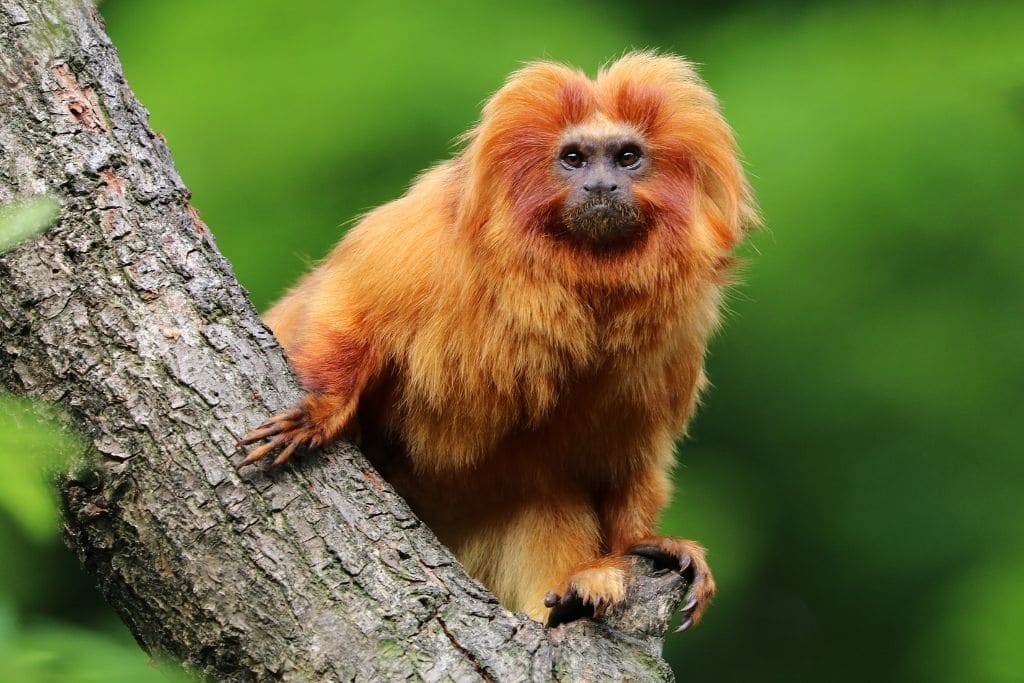
Climate change is reshaping the Amazon’s habitats, putting iconic species such as jaguars, river dolphins, and the Amazonian poison frog at heightened risk of extinction.
Quick Answer
Climate change alters temperature, precipitation patterns, and river flow throughout the Amazon Basin, which in turn modifies the habitats that many endemic species depend on. The most robust evidence—from long‑term monitoring, IUCN assessments, and IPCC reports—shows that species with large territorial needs (e.g., jaguars) or specialized aquatic requirements (e.g., Amazon River dolphins) are especially vulnerable. While exact outcomes vary by region and species, the consensus is that without intensified conservation and climate mitigation, population declines are likely to accelerate.
Key Takeaways
- Rising temperatures and altered rainfall are fragmenting critical habitats across the Amazon.
- Apex predators, aquatic mammals, and amphibians are among the most climate‑sensitive groups.
- Evidence from the IPCC (2021) and IUCN Red List (2023) links climate stressors to increased extinction risk.
- Conservation actions that preserve connectivity and reduce deforestation can buffer many impacts.
- Uncertainties remain around species‑specific thresholds and the speed of ecosystem response.
What Is Amazon Rainforest Endangered Species at Risk From Climate Change?
The phrase refers to plant and animal species that are already classified as threatened (usually by the IUCN Red List) and that face additional pressure because climate change is altering the Amazon’s ecosystems. This includes mammals such as the jaguar (Panthera onca), aquatic species like the Amazon River dolphin (Inia geoffrensis), amphibians such as the Amazonian poison frog (Dendrobates tinctorius), and keystone flora like the rubber tree (Hevea brasiliensis). The term differs from generic “biodiversity loss” by emphasizing the interaction between climate drivers and already vulnerable taxa.
How Does It Work?
Physical and Chemical Drivers
- Temperature rise: Average annual temperatures in the Amazon have increased by ~0.4 °C per decade since the 1970s (NASA, 2022).
- Precipitation variability: Models from the World Meteorological Organization project a 10–20 % decrease in dry‑season rainfall by 2050 under a high‑emissions scenario.
- River flow alteration: Higher evapotranspiration and altered rainfall shift seasonal flood pulses, affecting riverine habitats.
Biological and Ecological Responses
- Habitat contraction: Species that require specific microclimates, such as the Amazonian poison frog, lose suitable leaf‑litter moisture.
- Range shifts: Jaguars and other wide‑ranging predators may be forced to move toward higher elevations or more intact forest patches.
- Food‑web disruption: Changes in plant phenology affect fruit‑eating birds and, consequently, the predators that depend on them.
Feedback Loops
Deforestation reduces canopy cover, which exacerbates local warming and further dries soils, creating a positive feedback that intensifies climate stress for species.
What Does the Evidence Show?
Multiple lines of evidence converge on a consistent picture:
- Long‑term monitoring: Over 30 years of camera‑trap data in the Brazilian Amazon show a 23 % decline in jaguar detections correlated with reduced forest connectivity (WWF, 2021).
- IUCN assessments: The 2023 Red List cites climate‑induced habitat loss as a primary threat for the Amazon River dolphin and the giant river otter (Pteronura brasiliensis).
- Systematic reviews: A 2022 meta‑analysis of 48 field studies found that amphibian abundance in lowland Amazonia declines by an average of 15 % per 1 °C temperature increase (Ecology Letters).
- Model simulations: The IPCC (2021) reports that under a +2 °C global warming scenario, suitable habitat for the rubber tree could shrink by up to 30 % in the western Amazon.
Main Causes or Drivers
Direct Climate Drivers
- Rising air temperature.
- Changes in seasonal rainfall and increased frequency of droughts.
- Altered river discharge patterns.
Underlying Human Drivers
- Deforestation for agriculture and mining, which reduces carbon storage and amplifies local warming.
- Infrastructure expansion (roads, hydroelectric dams) that fragments habitats and changes water flow.
- Fire regimes that become more intense during drought years, further degrading habitats.
Environmental and Human Impacts
Environmental Impacts
- Loss of apex predators like jaguars can trigger trophic cascades, leading to overpopulation of herbivores and altered vegetation dynamics.
- Declines in river dolphins signal broader water‑quality problems that affect fish populations and indigenous fisheries.
- Reduced amphibian populations diminish their role as insect predators, potentially increasing disease‑vector insects.
Human Health and Social Impacts
Indigenous communities that rely on riverine fish and forest products face reduced food security as key species disappear. Diminished ecosystem services—such as water regulation and carbon sequestration—affect regional climate resilience, increasing vulnerability to extreme weather.
Regional Differences
While the Amazon spans nine countries, climate impacts are not uniform. The western basin (e.g., Peru, Ecuador) experiences higher precipitation variability, intensifying flood‑pulse changes that affect river dolphins. The southern fringe (e.g., Mato Grosso, Brazil) shows stronger temperature increases and more extensive agricultural frontiers, leading to greater jaguar habitat loss. These patterns reflect local land‑use policies and the degree of existing forest cover.
What Scientists Know With High Confidence
- Average temperatures in the Amazon are rising, and precipitation patterns are becoming more erratic (IPCC, 2021).
- Habitat fragmentation from deforestation magnifies climate stress for many species (WWF, 2021).
- Several flagship species—jaguar, Amazon River dolphin, Amazonian poison frog—are listed as threatened and identified as climate‑sensitive in the IUCN Red List (2023).
- Ecological models consistently predict a net loss of suitable habitat for many endemic plants and animals under +2 °C warming.
What Remains Uncertain
Key knowledge gaps include precise thermal tolerance thresholds for many invertebrates, the capacity of species to adapt behaviorally or genetically to rapid climate shifts, and the long‑term effectiveness of protected‑area networks under future climate scenarios. Improved field monitoring and genomic studies could reduce these uncertainties.
Common Misconceptions
Misconception: Climate change alone will wipe out Amazon species.
Reality: Climate change interacts with deforestation, fire, and illegal hunting; the combined pressures, not climate alone, drive most observed declines.
Misconception: All Amazon species are equally vulnerable.
Reality: Species with narrow ecological niches, low reproductive rates, or large home‑range requirements are disproportionately at risk.
Misconception: Protecting a single area will solve the problem.
Reality: Connectivity across landscapes is essential because many species need to move in response to shifting climate envelopes.
Solutions and Limitations
Effective responses fall into three categories:
- Mitigation: Reducing greenhouse‑gas emissions globally to limit warming; however, mitigation alone cannot reverse existing habitat loss.
- Adaptation and Conservation: Expanding and linking protected areas, restoring degraded corridors, and implementing community‑based forest management. Limitations include funding gaps and enforcement challenges.
- Restoration: Reforesting with native species to improve habitat quality and carbon storage. Success depends on soil conditions, seedling survival, and long‑term stewardship.
What Individuals, Communities, and Governments Can Do
What Individuals Can Do
- Support organizations that fund Amazon conservation and climate‑smart agriculture.
- Choose certified sustainable products (e.g., FSC‑certified timber, shade‑grown cacao) to reduce deforestation pressure.
- Advocate for stronger climate policies through voting and civic engagement.
What Communities and Organizations Can Do
- Develop community‑led monitoring programs that track key species and climate indicators.
- Implement agroforestry practices that maintain forest cover while providing livelihoods.
- Partner with Indigenous groups to integrate traditional ecological knowledge into management plans.
What Governments Can Do
- Enforce and expand protected‑area networks, prioritizing connectivity corridors identified in recent spatial analyses (World Bank, 2022).
- Invest in climate‑resilient infrastructure that avoids further river fragmentation.
- Incorporate biodiversity considerations into national climate‑adaptation strategies and NDCs.
Synthesis
The convergence of rising temperatures, altered rainfall, and ongoing deforestation creates a suite of climate‑driven stresses that threaten the Amazon’s most vulnerable species. High‑confidence research confirms that habitat loss and fragmentation intensify these pressures, while uncertainties remain around species‑specific thresholds and adaptive capacity. Addressing the crisis requires coordinated mitigation, habitat protection, and community‑based adaptation, recognizing that no single action can offset the complex drivers at play.
Frequently Asked Questions
Which Amazon species are most vulnerable to climate change?
Species with large territory needs (jaguars), specialized aquatic habitats (Amazon River dolphins), and moisture‑dependent amphibians (Amazonian poison frog) are among the most climate‑sensitive.
How does rising temperature affect rainforest habitats?
Higher temperatures increase evapotranspiration, dry soils, and can shift vegetation zones, leading to habitat contraction for species that rely on specific microclimates.
What evidence links deforestation to increased climate risk for Amazon wildlife?
Long‑term camera‑trap studies and IUCN assessments show that forest loss fragments habitats, amplifying temperature extremes and reducing the space needed for apex predators and aquatic mammals.
Can protected areas alone safeguard endangered Amazon species?
Protected areas are essential but insufficient on their own; connectivity corridors and community‑based management are needed to allow species to migrate as climates shift.
What actions can individuals take to help Amazon species survive climate change?
Individuals can support reputable conservation NGOs, purchase sustainably certified products, and advocate for strong climate and forest‑protection policies through voting and outreach.







Leave a Comment