
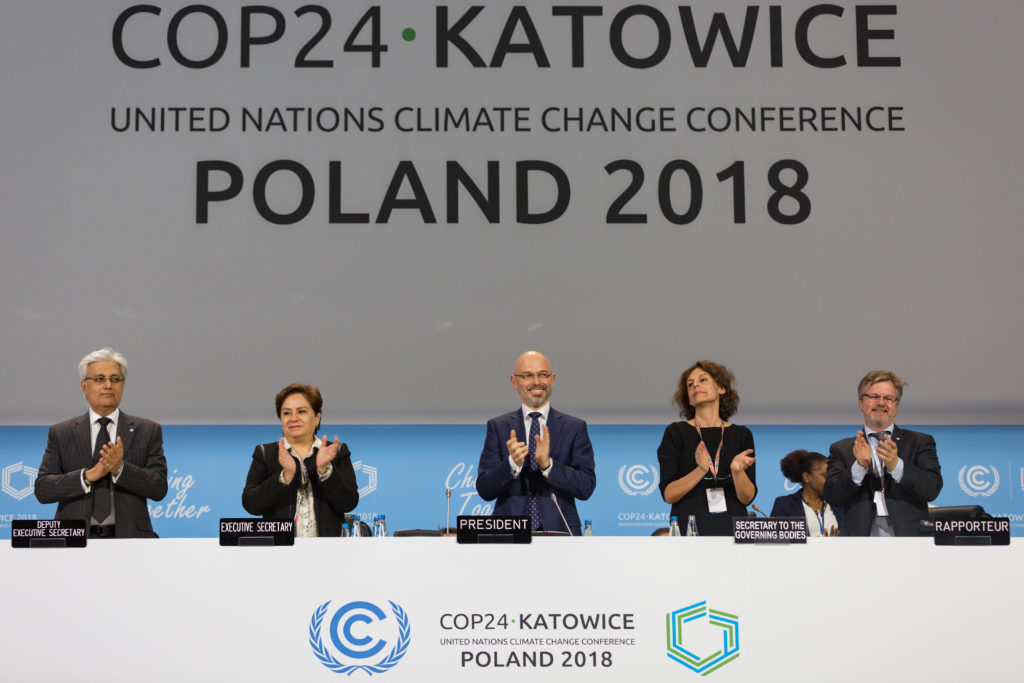
After a near‑deadlock, 190 nations have adopted a global climate rulebook that sets a transparent, accountable framework for reducing greenhouse‑gas emissions and supporting climate‑vulnerable countries.
Quick Answer
The global climate rulebook is a legally binding set of rules, reporting standards, and financial mechanisms agreed under the United Nations Framework Convention on Climate Change (UNFCCC) to guide mitigation and adaptation actions worldwide. It establishes common definitions, a transparent monitoring system, and a fund to assist developing nations. While the framework creates a strong foundation, its success depends on national implementation, adequate financing, and robust compliance oversight.
Key Takeaways
- 190 countries have formally adopted a unified climate governance framework.
- The rulebook embeds transparency, accountability, and a dedicated finance mechanism.
- Developing nations secured commitments for technology transfer and climate finance.
- Implementation will rely on national legislation, peer review, and public scrutiny.
- Uncertainties remain around enforcement, funding adequacy, and long‑term political support.
What Is After Near Deadlock 190 Nations Agree on Global Climate Rulebook?
The agreement refers to the finalization of the UNFCCC’s “Global Climate Rulebook,” a comprehensive set of operational rules that translate the high‑level goals of the Paris Agreement into concrete, measurable obligations. It defines how countries report emissions, how progress is reviewed, and how the Green Climate Fund and other financing streams are accessed. Unlike earlier voluntary pledges, the rulebook creates a standardized, legally grounded architecture that all parties must follow, while allowing flexibility for national circumstances.
How Does It Work?
1. Reporting and Transparency
Each nation submits annual greenhouse‑gas inventories using the standardized methodology outlined in the rulebook. Independent technical experts verify the data, and the results are posted in a publicly accessible database.
2. Review and Compliance
A biennial global stocktake assesses collective progress against the long‑term temperature goal of limiting warming to 1.5 °C. If a country’s trajectory falls short, a facilitative dialogue is triggered, followed by a compliance committee that can recommend corrective actions.
3. Finance and Technology Transfer
The rulebook establishes a transparent funding pipeline: wealthier nations contribute to the Climate Finance Facility, which allocates grants and concessional loans to projects in vulnerable regions. Technology‑transfer protocols streamline the sharing of low‑carbon solutions.
4. Legal and Institutional Support
National legislatures are expected to transpose the rulebook’s provisions into domestic law. The UNFCCC secretariat provides capacity‑building assistance to ensure that legal frameworks are coherent and enforceable.
What Does the Evidence Show?
Systematic reviews by the IPCC (2023) demonstrate that transparent, comparable emissions reporting improves national policy design and enhances investor confidence. Studies of the Clean Development Mechanism show that robust verification reduces double‑counting of emissions reductions. Moreover, the World Bank’s 2022 assessment of climate finance flows indicates that predictable funding mechanisms increase the likelihood of successful adaptation projects in low‑income countries.
Main Causes or Drivers
Direct Human Drivers
- Fossil‑fuel combustion, responsible for about 73 % of global CO₂ emissions (IEA, 2023).
- Deforestation and land‑use change, accounting for roughly 10 % of emissions.
Underlying Drivers
- Economic growth models that prioritize short‑term output over carbon intensity.
- Insufficient pricing of carbon externalities, leading to market failures.
- Limited access to clean‑energy technology in developing economies.
Environmental and Human Impacts
Environmental Impacts
Continued high‑emission pathways risk crossing climate thresholds such as Arctic sea‑ice loss and permafrost carbon release, which could amplify warming. Ocean acidification, already at 0.1 pH units below pre‑industrial levels, threatens coral reefs and shellfish industries.
Human Health and Social Impacts
Heatwaves linked to climate change increase mortality risk, especially for older adults in low‑resource settings (WHO, 2023). Food‑security analyses project that staple crop yields could decline by up to 15 % in tropical regions under a 2 °C warming scenario.
Economic and Infrastructure Impacts
Infrastructure exposed to rising sea levels faces an estimated $1 trillion in cumulative damage by 2050 in coastal megacities, according to the UN‑Habitat (2022) report. Climate‑related insurance claims have risen 30 % annually since 2015.
Regional Differences
High‑income nations in Europe and North America generally have the fiscal capacity to meet financing obligations, while many African and Small Island Developing States (SIDS) experience greater exposure to sea‑level rise and limited adaptive capacity. In South Asia, monsoon variability intensifies flood risk, whereas in the Sahel, desertification drives migration pressures.
What Scientists Know With High Confidence
- Human activities are the dominant cause of observed global warming since the mid‑20th century (IPCC, 2023).
- Transparent, comparable emissions reporting improves policy effectiveness.
- Climate finance directed to vulnerable regions reduces adaptation gaps when delivered predictably.
- Rapid warming increases the frequency of extreme weather events.
What Remains Uncertain
Key uncertainties include the exact magnitude of carbon feedbacks from thawing permafrost, the future trajectory of global climate finance contributions, and the political durability of compliance mechanisms under shifting administrations. These gaps affect long‑term emission pathways but do not overturn the overall conclusion that coordinated governance is essential.
Common Misconceptions
Misconception: The rulebook guarantees that all nations will meet their targets.
Reality: The framework sets standards and monitoring procedures, but compliance relies on national legislation and political will. Enforcement mechanisms are facilitative rather than punitive.
Misconception: Climate finance is unlimited once the rulebook is adopted.
Reality: Funding remains contingent on donor commitments, which can fluctuate with economic conditions and domestic priorities.
Misconception: Developing countries receive the same amount of money as wealthy nations.
Reality: The rulebook recognizes differentiated responsibilities; financial flows are directed primarily toward vulnerable economies, but the total pool is modest compared with global needs.
Solutions and Limitations
Effective responses combine mitigation, adaptation, and systemic reforms:
- Decarbonisation of Energy: Shifting to renewables reduces emissions but requires substantial grid upgrades and storage solutions, especially in regions with limited capital.
- Carbon Pricing: Well‑designed carbon markets can internalise externalities, yet price volatility and political resistance can limit adoption.
- Nature‑Based Solutions: Restoring mangroves protects coastlines and sequesters carbon, but land‑use conflicts may arise.
- Infrastructure Resilience: Elevating flood‑prone structures saves lives, but retrofitting costs can be prohibitive for low‑income municipalities.
What Individuals, Communities, and Governments Can Do
What Individuals Can Do
- Reduce personal energy use through efficient appliances and home insulation.
- Support policies that fund clean‑energy projects by voting and contacting representatives.
- Participate in community tree‑planting or local climate‑action groups.
What Communities and Organizations Can Do
- Develop local climate action plans that align with the rulebook’s reporting standards.
- Leverage public‑private partnerships to finance renewable micro‑grids.
- Provide training for local technicians in low‑carbon technologies.
What Governments Can Do
- Enact legislation that transposes the rulebook’s provisions into national law.
- Allocate predictable budget lines to the Climate Finance Facility.
- Establish transparent, peer‑reviewed emissions inventories and enforce compliance through the UNFCCC compliance committee.
Closing Synthesis
The adoption of a global climate rulebook by 190 nations marks a pivotal step toward coordinated climate governance. By defining transparent reporting, robust review, and dedicated finance, the framework addresses the most critical drivers of climate change while acknowledging persistent uncertainties around enforcement and funding. Continued scientific monitoring, equitable financing, and steadfast political commitment will determine whether the rulebook translates into the emissions reductions and resilience gains needed to safeguard ecosystems and societies worldwide.
Frequently Asked Questions
What is the Global Climate Rulebook?
The Global Climate Rulebook is a set of standardized rules, reporting procedures, and finance mechanisms agreed under the UNFCCC to turn the Paris Agreement’s goals into measurable national actions and transparent monitoring.
How does the rulebook improve transparency and accountability?
It requires each country to submit annual, independently verified emissions inventories to a public database, subjects progress to a biennial global stocktake, and activates a compliance committee that can recommend corrective steps.
Which countries receive climate finance under the rulebook?
Funding is directed primarily to developing nations and Small Island Developing States that are most vulnerable to climate impacts, with wealthier nations contributing to the Climate Finance Facility that allocates grants and concessional loans.
What are the main uncertainties that could affect the rulebook’s success?
Key uncertainties include the size of carbon feedbacks from thawing permafrost, the future level of donor contributions to climate finance, and the durability of compliance mechanisms when political leadership changes.
How can individuals contribute to the goals of the rulebook?
Individuals can lower personal energy use, support clean‑energy policies through voting and advocacy, and join local climate‑action groups or tree‑planting initiatives that align with the rulebook’s broader objectives.








Leave a Comment