Africa’s post‑COVID‑19 green recovery seeks to rebuild economies while cutting emissions, protecting biodiversity, and strengthening climate resilience across the continent.
Quick Answer
A green recovery in Africa redirects pandemic‑era stimulus toward renewable‑energy generation, climate‑smart agriculture, and sustainable urban planning, creating jobs, lowering greenhouse‑gas emissions, and improving public health. The approach blends mitigation—reducing emissions—with adaptation—building climate‑resilient systems. Scientific consensus indicates that such investments deliver measurable climate and health co‑benefits, though uncertainties remain around financing speed, private‑sector mobilization, and the durability of soil‑carbon gains.
Key Takeaways
- Renewable‑energy projects could supply up to 60% of Africa’s projected electricity demand by 2040 (International Energy Agency, 2022).
- Agroecological practices raise smallholder yields by 10–20% and increase soil organic carbon by 0.2–0.5% by weight (FAO, 2021).
- Urban green infrastructure can cut ambient temperatures by 1–2 °C and reduce particulate matter by up to 15% in fast‑growing cities (World Bank, 2023).
- Transparent climate‑finance mechanisms tied to national development plans accelerate project pipelines and reduce corruption risks.
- Gender‑inclusive and youth‑focused programmes enhance equity and improve the durability of recovery outcomes.
What Is Africa Targets a Green Recovery After COVID‑19?
The phrase denotes coordinated policies and investments that use the economic rebound from the COVID‑19 pandemic to accelerate low‑carbon, climate‑resilient development pathways across Africa. It spans four main sectors—energy, agriculture, transport, and urban planning—and explicitly links stimulus spending to measurable environmental outcomes such as emission reductions, ecosystem protection, and enhanced adaptation capacity. Unlike generic economic recovery plans, a green recovery embeds climate objectives in budgeting, procurement, and monitoring, ensuring that every dollar of stimulus contributes to both economic and environmental goals.
How Does It Work?
1. Re‑orienting Fiscal Stimulus
Governments revise national budgets to prioritize projects that meet climate‑smart criteria. Eligibility may require a minimum share of renewable‑energy content, water‑efficiency metrics, or biodiversity‑enhancement outcomes. By attaching these criteria to public funding, the state creates a market signal that attracts private capital.

2. Scaling Renewable Energy
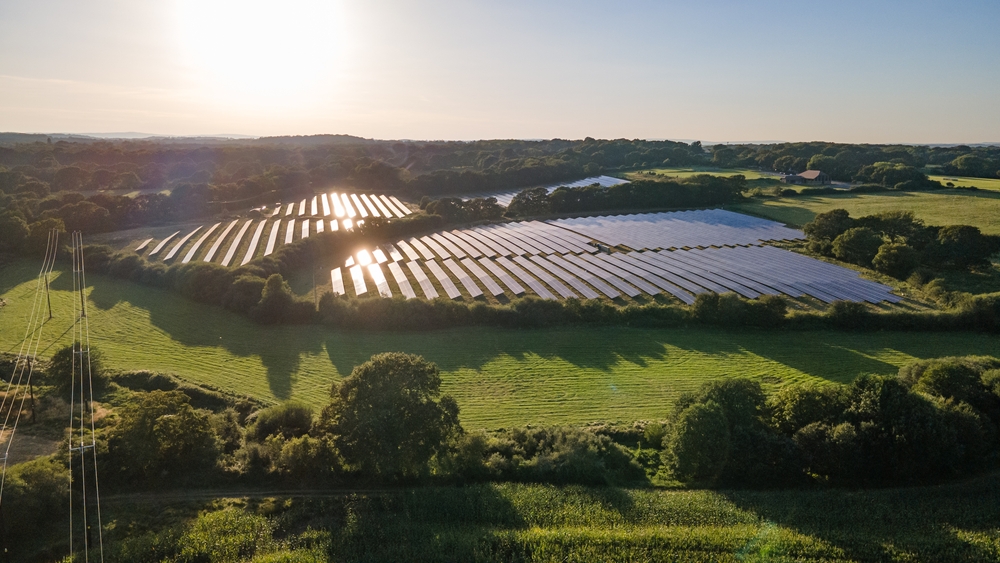
Solar photovoltaic (PV) farms, wind turbines, and small‑hydro schemes replace diesel generators and coal‑based plants. The process involves site selection based on solar irradiance (average 2,500 kWh m⁻² yr⁻¹ across the continent), grid‑integration studies, and capacity‑building for local operators. Community‑owned solar cooperatives are increasingly used to ensure local revenue sharing.
3. Transforming Agriculture
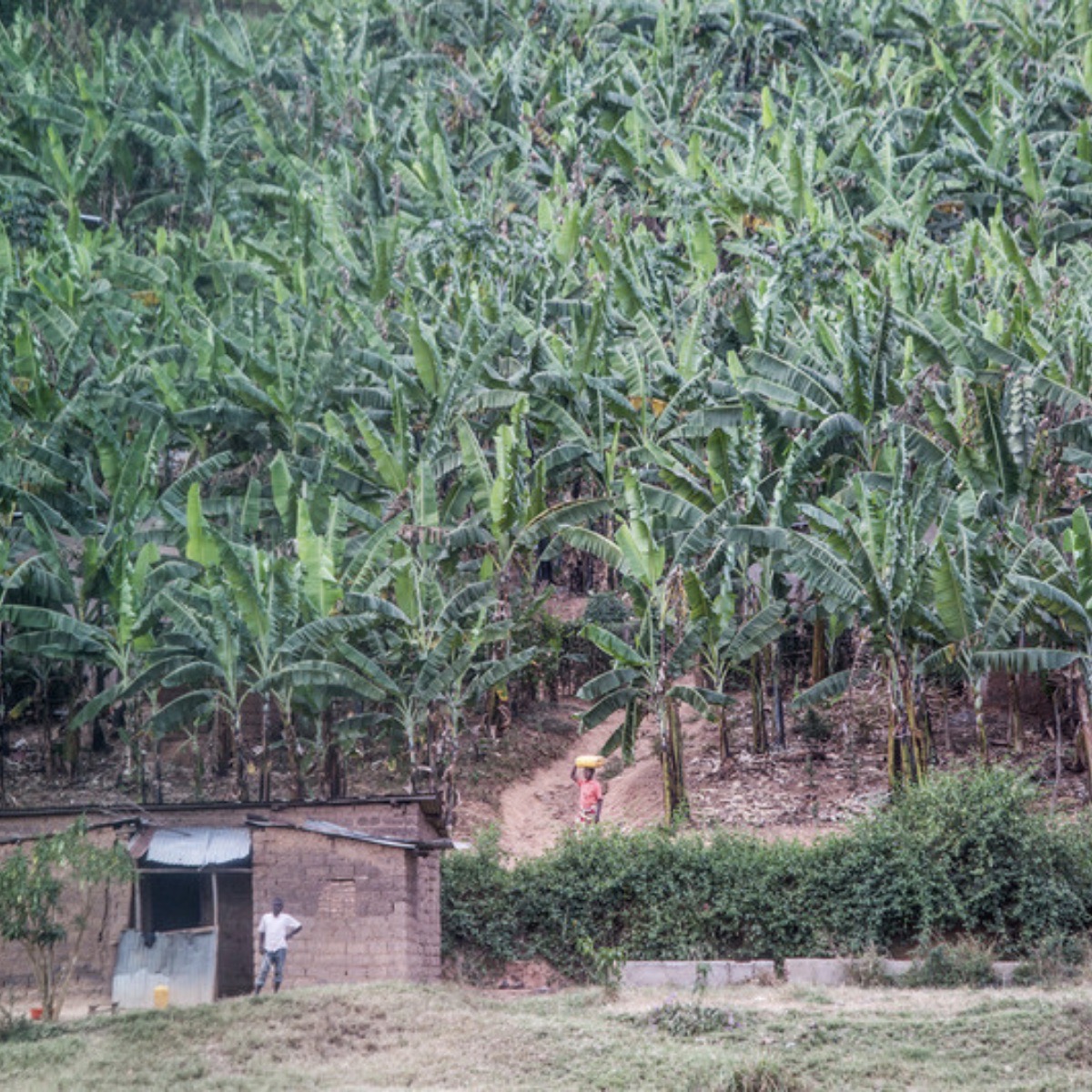
Climate‑smart agriculture embraces agroecology: crop diversification, conservation tillage, and organic fertilisers. These practices improve soil organic carbon, lower nitrous‑oxide emissions, and increase resilience to drought. Extension services and farmer field schools are essential for scaling knowledge.
4. Greening Urban Spaces
Investments in public transit, bike lanes, and tree‑lined streets reduce vehicle‑kilometres travelled and mitigate the urban heat‑island effect. Retrofitting buildings with passive cooling designs cuts electricity demand for air‑conditioning, while storm‑water gardens improve flood resilience.
5. Mobilising Climate Finance
International mechanisms such as the Green Climate Fund, the Adaptation Fund, and bilateral concessional loans provide low‑interest financing. Effective deployment requires transparent project pipelines, robust monitoring, and alignment with national climate‑action plans.
What Does the Evidence Show?
Long‑term monitoring by the International Renewable Energy Agency (2022) documents a 35% increase in sub‑Saharan solar and wind capacity between 2015 and 2021, outpacing the global average. Systematic reviews of climate‑smart agriculture in Africa reveal average yield gains of 10–20% and soil‑carbon increases of 0.2–0.5% by weight (FAO, 2021). Urban case studies from Nairobi and Lagos demonstrate that expanding tree canopy by 10% can lower ambient temperature by 1–2 °C and reduce particulate matter concentrations by up to 15% (World Bank, 2023). These independent lines of evidence suggest that green‑recovery interventions generate co‑benefits for mitigation, food security, and public health.
Main Causes or Drivers
Direct Causes
The COVID‑19 pandemic caused a 2.5% average contraction in African GDP in 2020 and disrupted informal employment, exposing the fragility of carbon‑intensive sectors such as diesel‑powered transport and charcoal‑based cooking.
Underlying Drivers
High dependence on imported fossil fuels, limited access to modern electricity, and low agricultural productivity have historically constrained sustainable growth. Rapid population growth—about 2.5% per year—intensifies demand for energy and food.
Amplifying Factors
Weak institutional capacity, fragmented climate‑finance pipelines, and gender gaps in land ownership can slow the rollout of green projects. Conversely, strong regional bodies such as the African Union’s Climate Change Programme can coordinate policy alignment.
Environmental and Human Impacts
Environmental Impacts
Expanding renewable‑energy capacity could cut CO₂ emissions by an estimated 0.5 Gt CO₂ yr⁻¹ if 30 GW of solar is added by 2030 (IEA, 2022). Agroecology enhances biodiversity by creating heterogeneous habitats, while urban greening improves air quality and storm‑water management.
Human Health and Social Impacts
Cleaner air reduces respiratory disease incidence; a WHO‑based model suggests that a 10 µg m⁻³ reduction in PM₂.₅ could prevent 15,000 premature deaths annually in major African cities. Renewable‑energy jobs are projected to reach 2.5 million direct positions by 2035 (IRENA, 2023). Gender‑inclusive programmes improve women’s access to credit and land, narrowing socioeconomic inequality.
Economic and Infrastructure Impacts
Investments in climate‑smart infrastructure lower disaster‑related losses. The World Bank estimates that each US$1 billion spent on resilient infrastructure averts up to US$1.5 billion in future flood damages.
Regional Differences
North‑African states such as Egypt benefit from large‑scale solar parks in the Sahara, while East Africa leverages geothermal potential in the Rift Valley. West Africa’s dense urban corridors face acute air‑quality challenges, making tree‑canopy expansion especially valuable. Southern Africa’s coal‑dependent power systems require more intensive transition planning, including just‑transition measures for mining communities.
What Scientists Know With High Confidence
- Renewable energy reduces greenhouse‑gas emissions more cost‑effectively than fossil‑fuel alternatives in most African contexts.
- Agroecological practices improve soil health and can increase smallholder yields when paired with adequate extension services.
- Urban green spaces mitigate heat stress and improve air quality, delivering measurable health benefits.
- Transparent climate‑finance governance accelerates the deployment of low‑carbon projects.
What Remains Uncertain
Key uncertainties include the speed at which private capital will follow public stimulus, the long‑term durability of soil‑carbon gains under variable rainfall, and the socio‑political dynamics that affect policy continuity across election cycles. Data gaps persist on informal‑sector energy use and on gender‑disaggregated impact assessments, limiting precise cost‑benefit calculations.
Common Misconceptions
Misconception: Green recovery is a luxury Africa cannot afford.
Reality: Cost‑benefit analyses show that every dollar invested in renewable energy returns multiple dollars in health savings and avoided climate damages, making it economically advantageous.
Misconception: Renewable‑energy projects always displace local communities.
Reality: When projects include community ownership models and prior consultation, they generate local employment and revenue without forced displacement.
Misconception: Agroecology cannot feed a growing population.
Reality: Evidence from multiple African field trials indicates that diversified, climate‑smart farms can match or exceed yields of conventional monocultures while improving resilience.
Solutions and Limitations
Key response strategies include:
- Renewable‑energy scaling: Technically viable and increasingly cost‑effective, but limited by grid capacity, upfront capital, and the need for skilled operators.
- Climate‑smart agriculture: Improves yields and soil health; adoption is slowed by limited access to inputs, credit, and extension services.
- Urban green infrastructure: Provides health co‑benefits; land‑use competition in dense cities can raise costs and delay implementation.
- Policy and financing reforms: Enable scaling, yet require strong governance to avoid corruption and ensure equitable benefit distribution.
What Individuals, Communities, and Governments Can Do
What Individuals Can Do
Adopt energy‑efficient appliances, support local renewable‑energy cooperatives, and participate in community tree‑planting initiatives. Reducing personal vehicle use and advocating for public transit also lower emissions.
What Communities and Organizations Can Do
Form farmer field schools to share agroecological techniques, lobby for transparent climate‑finance tracking, and develop neighbourhood micro‑grids powered by solar PV. Community‑based monitoring can improve project accountability.
What Governments Can Do
Integrate green‑recovery criteria into national budgeting, streamline permitting for renewable projects, enforce gender‑responsive land‑rights policies, and create dedicated climate‑finance units to manage international grants.
Closing Synthesis
A green recovery in Africa leverages abundant solar, wind, and human capital to address both pandemic‑related economic hardship and escalating climate risk. High‑confidence evidence confirms that renewable energy, climate‑smart agriculture, and urban greening deliver measurable mitigation, adaptation, and health benefits. While financing, governance, and equitable implementation remain uncertain, coordinated action across public, private, and civil‑society actors can transform disruption into a durable pathway toward sustainable development.
Frequently Asked Questions
What does a green recovery mean for Africa after COVID‑19?
A green recovery redirects pandemic‑era stimulus toward clean energy, climate‑smart agriculture, and sustainable urban planning, creating jobs, lowering emissions, and improving public health while building climate resilience.
Which sectors are prioritized in Africa’s green recovery plans?
The main sectors are renewable energy (solar, wind, hydro), climate‑smart agriculture (agroecology, conservation tillage), sustainable transport, and urban green infrastructure such as public transit and tree planting.
How much renewable‑energy capacity could meet Africa’s future electricity demand?
According to the International Energy Agency (2022), renewable‑energy projects could supply up to 60% of Africa’s projected electricity demand by 2040 if investment targets are met.
What are the main challenges to scaling climate‑smart agriculture in Africa?
Key challenges include limited access to quality inputs, credit, and extension services, as well as gender gaps in land ownership and fragmented policy support that slow farmer adoption.
How can individuals contribute to Africa’s green recovery?
Individuals can adopt energy‑efficient appliances, support community solar cooperatives, participate in tree‑planting events, reduce personal vehicle use, and advocate for public transit and renewable‑energy policies.




Leave a Comment