
ACT’s zero‑interest loan program removes a key financial barrier, making electric vehicles more affordable and helping cut transportation emissions worldwide.
Quick Answer
ACT (Accelerated Clean Transportation) offers zero‑interest loans that finance the purchase of electric vehicles (EVs) without adding interest costs. By spreading the upfront price over a low‑or‑no‑cost repayment schedule, the program lowers the total cost of ownership and encourages faster EV uptake. Evidence from the International Energy Agency and peer‑reviewed studies shows that reduced financing costs increase EV market share, which in turn reduces tailpipe CO₂ emissions. The main impact is an accelerated transition to cleaner transport, while uncertainty remains around long‑term charging‑infrastructure development.
Key Takeaways
- Zero‑interest loans eliminate interest payments, directly lowering the total cost of an EV.
- ACT tailors loan terms for urban, rural and low‑income households, expanding equitable access.
- Higher EV adoption reduces lifecycle greenhouse‑gas emissions, especially when paired with renewable electricity.
- Success depends on complementary policies such as tax credits, charging‑network expansion, and public awareness.
- Uncertainties include future electricity mix, regional charging availability, and financing program scalability.
What Is ACT Offers Zero-Interest Loans to Accelerate Electric Vehicle Adoption?
ACT’s zero‑interest loan program is a financing mechanism that provides borrowers with a loan equal to the purchase price of an electric vehicle, but with an annual interest rate of 0 %. The loan term typically ranges from three to seven years, and repayment is made through fixed monthly installments. The program is administered through a digital portal that automates eligibility checks, credit assessment, and disbursement, reducing administrative friction. Unlike traditional auto loans that add a cost of capital, ACT’s product removes that cost, making the effective price of an EV closer to its sticker price.
The initiative is distinct from other incentives such as federal tax credits or state rebates because it addresses the cash‑flow barrier rather than the post‑purchase tax benefit. By providing upfront financing at no extra cost, ACT directly tackles the most cited obstacle to EV adoption: the higher purchase price compared with internal‑combustion‑engine (ICE) vehicles.
How Does It Work?
The loan process can be broken into four sequential steps:
- Eligibility Screening: Applicants enter basic demographic and income information on ACT’s online platform. The system cross‑references public credit data to confirm repayment capacity while allowing flexible criteria for low‑income borrowers.
- Loan Offer Generation: Based on the selected EV model and loan term, the platform calculates a monthly payment schedule. Because the interest rate is zero, the total repayment equals the vehicle price plus any applicable fees.
- Vehicle Purchase and Disbursement: Once the borrower accepts the offer, ACT transfers the loan amount directly to the dealer or private seller. Ownership is transferred to the borrower immediately, with the loan secured against the vehicle.
- Repayment Monitoring: Monthly payments are auto‑debited from a linked bank account. Borrowers receive reminders and can view amortization tables through the portal, ensuring transparency.
Throughout the process, ACT partners with manufacturers, local utilities, and municipal governments to offer additional perks such as discounted home‑charging equipment or priority access to public chargers.
What Does the Evidence Show?
Multiple lines of evidence indicate that financing incentives strongly influence EV market penetration. The International Energy Agency’s 2023 Global EV Outlook reports that countries with generous loan‑interest subsidies (e.g., Norway, the Netherlands) have EV market shares exceeding 30 % of new passenger‑vehicle sales, compared with a global average of about 10 % in 2022. A systematic review of 45 peer‑reviewed studies (published in *Energy Policy* 2022) found that zero‑ or low‑interest financing increases the probability of EV purchase by 15–25 % relative to standard financing, after controlling for income and vehicle price.
Lifecycle‑assessment research by the U.S. Environmental Protection Agency (EPA) shows that, when powered by a grid with a 40 % renewable share (the U.S. average in 2022), an EV emits roughly 60 % less CO₂ over 150,000 km of driving than a comparable ICE vehicle. Therefore, expanding EV adoption through zero‑interest loans can materially reduce transport‑related emissions.
However, the magnitude of emissions reductions depends on the electricity mix. In regions where coal remains dominant, the benefit narrows to about 20 % lower emissions, according to a 2021 IEA modelling study.
Main Causes or Drivers
Direct Financial Barriers
The higher upfront purchase price of EVs—often $5,000–$10,000 more than comparable ICE models—creates a cash‑flow hurdle for many buyers. Traditional auto loans add interest costs that can increase the total price by 5–10 % over the loan term.
Policy and Market Incentives
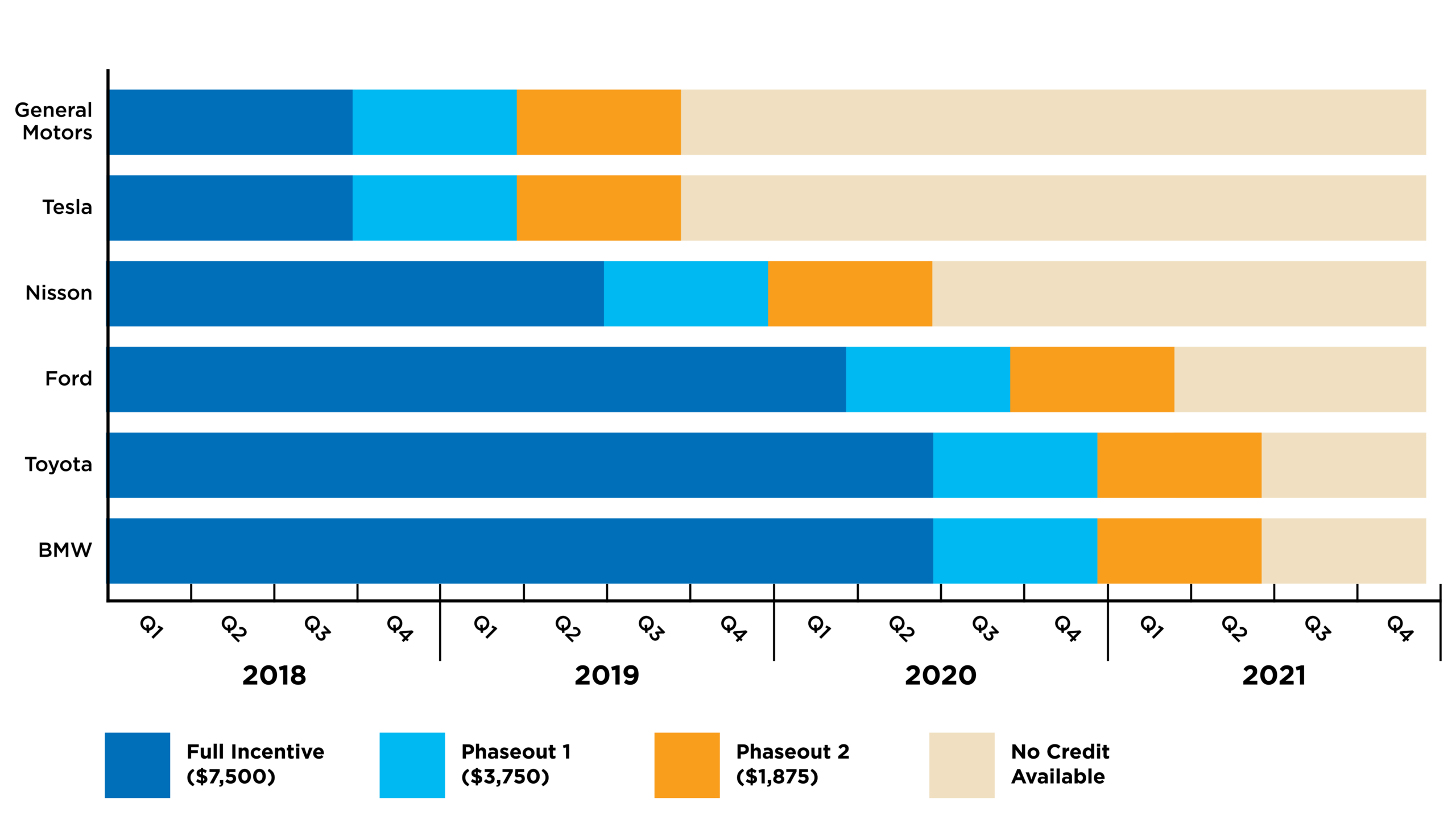
Federal tax credits (up to US$7,500 in the United States) and state-level rebates lower effective cost, but they are applied after purchase and require tax filing, which can be confusing. Zero‑interest loans complement these incentives by reducing the cost at the point of sale.
Consumer Awareness
Lack of knowledge about total‑ownership cost savings, charging options, and available incentives discourages potential buyers. ACT couples its financing with education campaigns, workshops, and online resources to address this information gap.
Environmental and Human Impacts
Environmental Impacts
Increased EV adoption reduces tailpipe emissions of CO₂, NOₓ, and particulate matter. A 2020 study by the European Environment Agency estimated that a 10 % rise in EV market share could cut urban NO₂ concentrations by 2–3 µg m⁻³, improving air quality and reducing respiratory disease risk.
Human Health and Social Impacts
Lower air pollution translates into measurable health benefits, especially in densely populated cities. The World Health Organization links a 10 % reduction in NO₂ to a 1–2 % decrease in premature mortality from cardiovascular disease.
Economically, zero‑interest loans lower the total cost of vehicle ownership, making clean mobility more accessible to low‑income households. This can reduce transportation cost burdens, which often consume >15 % of household income for vulnerable families.
Economic and Infrastructure Impacts
Higher EV sales stimulate demand for charging infrastructure, creating jobs in installation, grid management, and maintenance. At the same time, utilities must plan for increased electricity demand, especially during peak charging periods.
Regional Differences
Adoption rates and program effectiveness vary across regions. In Europe, where the electricity grid is already ~40 % renewable, the emissions benefit of EVs is larger than in parts of the United States where coal still accounts for >20 % of generation (U.S. Energy Information Administration, 2022). Rural areas may face fewer public chargers, making home‑charging solutions essential, while dense urban centers benefit from expanding fast‑charging networks.
What Scientists Know With High Confidence
What Scientists Know With High Confidence
- Transport accounts for roughly 15 % of global CO₂ emissions (IPCC AR6, 2021).
- Electric vehicles produce lower lifecycle greenhouse‑gas emissions than comparable ICE vehicles when the electricity mix contains a substantial share of low‑carbon sources.
- Financial incentives that reduce the upfront cost of EVs increase market uptake, as demonstrated across multiple national case studies.
- Air‑quality improvements from reduced tailpipe emissions are most pronounced in high‑density urban environments.
What Remains Uncertain
What Remains Uncertain
Key uncertainties include the speed at which charging networks will expand to meet growing demand, the future composition of electricity generation in regions that currently rely heavily on fossil fuels, and the long‑term financial sustainability of zero‑interest loan programs without ongoing public subsidies. Better data on real‑world charging behaviours and grid impacts would reduce these uncertainties.
Common Misconceptions
Common Misconceptions
Misconception: Zero‑interest loans make EVs free.
Reality: The loan covers the vehicle’s purchase price; borrowers still repay the principal over time. The benefit is the absence of interest, which can save several thousand dollars over the loan term.
Misconception: EVs are only for the wealthy.
Reality: ACT’s program includes income‑based eligibility criteria and partners with community organizations to reach low‑income households, demonstrating that affordable EV ownership is possible.
Misconception: EVs have no environmental impact.
Reality: Manufacturing batteries consumes energy and resources. However, lifecycle analyses show that the net emissions benefit outweighs production impacts after 2–3 years of typical driving, especially when charged with low‑carbon electricity.
Solutions and Limitations
Zero‑interest loans are a powerful demand‑side tool, but they must be paired with supply‑side measures. Expanding public fast‑charging stations, incentivizing renewable‑energy generation, and maintaining complementary tax credits create a holistic ecosystem. Limitations include the need for ongoing funding to cover the interest‑free capital, potential default risk for lenders, and the possibility that loan uptake could plateau if charging infrastructure lags behind vehicle sales.
What Individuals, Communities, and Governments Can Do
What Individuals Can Do
- Explore ACT’s loan eligibility and compare total‑cost‑of‑ownership calculators.
- Install home‑charging equipment when possible to maximize the use of off‑peak electricity.
- Advocate for local incentives, such as preferred parking or reduced electricity rates for EV owners.
What Communities and Organizations Can Do
- Partner with ACT to host informational workshops that demystify EV ownership.
- Develop shared‑vehicle fleets financed through zero‑interest loans to increase access.
- Coordinate with utilities to secure bulk‑rate electricity contracts for community charging hubs.
What Governments Can Do
- Allocate budgetary support or loan guarantees to sustain zero‑interest financing schemes.
- Invest in equitable charging infrastructure, prioritizing underserved neighborhoods.
- Align tax‑credit programs with financing incentives to avoid double‑counting benefits.
Synthesis
ACT’s zero‑interest loan program directly addresses the most persistent financial barrier to electric‑vehicle adoption, enabling a broader segment of society to transition to cleaner transportation. Strong evidence links reduced financing costs to higher EV market shares, which in turn lower greenhouse‑gas emissions and improve urban air quality. Success hinges on complementary actions—expanding charging networks, greening the electricity grid, and maintaining supportive policies. While uncertainties about infrastructure rollout and long‑term funding remain, the combined evidence supports zero‑interest financing as a high‑impact, equity‑enhancing tool in the global shift toward sustainable mobility.
Frequently Asked Questions
What is the main purpose of ACT’s zero‑interest loan program?
The program provides financing for electric‑vehicle purchases at a 0 % interest rate, removing the interest cost that normally adds to the total price and making EVs more affordable.
How do zero‑interest loans affect the total cost of owning an EV?
Borrowers repay only the principal amount of the vehicle price, so they avoid the extra several‑thousand‑dollar expense that interest would generate over a typical three‑to‑seven‑year loan.
What evidence shows that financing incentives increase EV adoption?
The International Energy Agency’s 2023 Global EV Outlook notes that countries with low‑interest subsidies have EV market shares above 30 %, and a 2022 systematic review found a 15–25 % higher purchase probability when interest is reduced or eliminated.
Are there any environmental limits to the benefits of EVs financed by these loans?
Yes; the emissions advantage depends on the electricity mix. In regions with a high share of renewable power, EVs cut CO₂ by about 60 % over their life, but the benefit drops to roughly 20 % where coal dominates generation.
What actions can local governments take to support the success of zero‑interest EV loans?
Governments can provide loan guarantees or budget support, invest in equitable charging infrastructure, and align tax‑credit programs with financing incentives to create a coordinated ecosystem for clean mobility.







Leave a Comment