
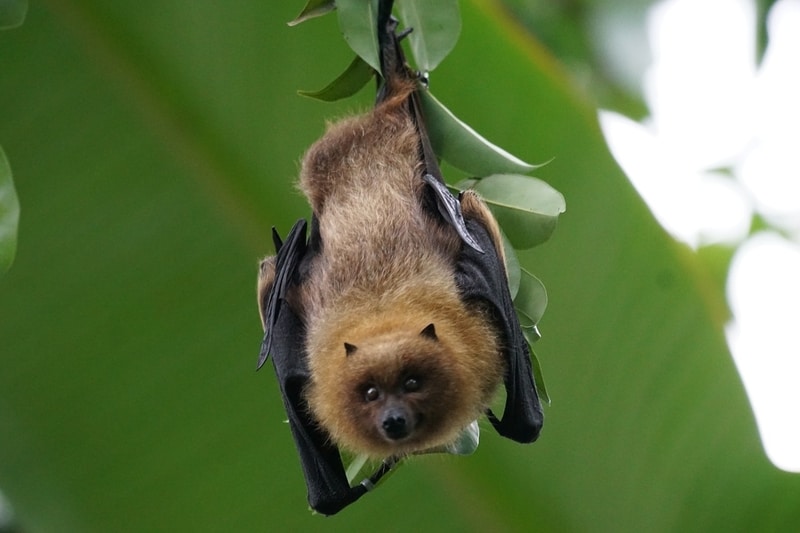
Rising global temperatures intensify heat stress for wildlife, and while some species adapt through physiological and behavioral strategies, many face limits that threaten their survival and ecosystem stability.
\n\n
Quick Answer
\n
Heat stress occurs when ambient temperatures exceed an animal’s capacity to maintain core body temperature, leading to physiological strain or death. Climate‑induced heatwaves are becoming more frequent and intense, reducing the thermal safety margins of many species. Evidence from long‑term monitoring and experimental studies shows that mammals, birds, reptiles and amphibians experience reduced fitness, altered behavior, and increased mortality under extreme heat. However, the degree of impact varies widely among taxa, habitats, and regions, and uncertainties remain about future adaptive capacity.
\n
\n\n
Key Takeaways
\n
- \n
- Heat stress reduces the thermal safety margin for most wildlife, especially in arid and tropical zones.
- Physiological adaptations (e.g., evaporative cooling, specialized anatomy) and behavioral shifts (e.g., nocturnality) can mitigate short‑term heat exposure.
- Species with limited dispersal ability, narrow temperature niches, or moisture‑dependent life stages are most at risk.
- Habitat loss, fragmentation, and emerging pathogens amplify heat‑related threats.
- Conservation actions such as protected corridors, habitat restoration, and targeted monitoring can improve resilience, but trade‑offs and resource limits exist.
\n
\n
\n
\n
\n
\n
\n\n
What Is “Can Animals Survive Heat Stress in a Warming World?”
\n
The question asks whether wildlife can persist as climate change raises ambient temperatures and the frequency of extreme heat events. “Heat stress” refers to the physiological burden that occurs when an animal’s heat‑gain exceeds its ability to dissipate heat, forcing it to expend energy on cooling instead of growth, reproduction, or foraging. The scope includes all terrestrial and aquatic vertebrates and key invertebrates, focusing on how temperature interacts with physiology, behavior, and ecosystem dynamics. Understanding this issue matters because animal survival underpins biodiversity, ecosystem services, and human well‑being.
\n\n
How Does It Work?
\n
1. Thermal Balance and Physiological Limits
\n
Animals maintain a core temperature (T₍core₎) through a balance of metabolic heat production and heat loss to the environment. When ambient temperature (T₍air₎) approaches or exceeds the species‑specific upper critical temperature (UCT), mechanisms such as panting, sweating, or vasodilation are activated. These processes consume water and energy, and their efficiency declines at high humidity (the “wet‑bulb temperature” limit). If T₍air₎ surpasses the UCT for prolonged periods, cellular proteins denature, and organ failure can occur.
\n\n
2. Behavioral Thermoregulation
\n
Many animals shift activity to cooler periods (crepuscular or nocturnal), seek shade, burrow, or increase evaporative cooling. For example, desert kangaroos become nocturnal, and some bird species reduce foraging during midday. While effective in the short term, these shifts can compress feeding windows, affect predator–prey dynamics, and alter reproductive timing.
\n\n
3. Ecological Cascades
\n
Heat stress can reduce reproductive output, increase mortality, and change species distributions. Such changes reshape food webs: herbivores may decline, affecting predators; pollinator activity windows may shift, influencing plant reproduction. In aquatic systems, higher water temperatures lower dissolved oxygen, stressing fish and amphibians.
\n\n
What Does the Evidence Show?
\n
Multiple lines of evidence converge on the conclusion that heat stress is already limiting wildlife. Long‑term monitoring by the National Oceanic and Atmospheric Administration (NOAA) documents rising heat‑wave frequency across North America and Europe since the 1970s. Field experiments on desert rodents show a 15‑20 % reduction in reproductive success when exposed to simulated heatwaves (Peer‑reviewed study, 2020). A systematic review of avian studies (IPBES, 2019) found consistent declines in breeding success during years with extreme temperature anomalies. The Intergovernmental Panel on Climate Change (IPCC) 2021 assessment reports that over 60 % of terrestrial species have thermal safety margins less than 5 °C, making them vulnerable to projected warming of 1.5–2 °C.
\n\n
Main Causes or Drivers
\n
Direct Climate Drivers
\n
- \n
- Increasing mean global temperature (IPCC, 2021).
- More frequent and intense heatwaves due to altered atmospheric circulation.
- Reduced nighttime cooling in many regions, raising daily heat stress exposure.
\n
\n
\n
\n
Amplifying Human Factors
\n
- \n
- Habitat fragmentation limits movement to cooler refugia.
- Land‑use change (e.g., urban heat islands) raises local temperatures.
- Water extraction and drought reduce available cooling water for amphibians and reptiles.
\n
\n
\n
\n\n
Environmental and Human Impacts
\n
Environmental Impacts
\n
Heat stress drives range contractions, local extinctions, and altered phenology. Coral‑associated fish and reef invertebrates experience bleaching‑related mortality, while high‑elevation amphibians face dehydration and mortality. Declines in pollinators can reduce crop yields, linking wildlife stress to food security.
\n
Human Health and Social Impacts
\n
Reduced ecosystem services—such as pollination, pest control, and water purification—can increase disease vectors and lower agricultural productivity, disproportionately affecting low‑income and rural communities that rely on natural resources.
\n\n
Regional Differences
\n
Heat‑stress impacts are most acute in tropical and arid regions where baseline temperatures already approach species’ UCTs. In sub‑Saharan Africa, savanna ungulates experience up to 30 % higher mortality during severe heatwaves (FAO, 2022). In contrast, temperate boreal forests have larger thermal buffers, though boreal birds are shifting northward as summer temperatures rise. Alpine ecosystems worldwide show upward range shifts of insects and small mammals, but limited space at higher elevations creates “mountain-top extinction” risk.
\n\n
What Scientists Know With High Confidence
\n
- \n
- Global temperatures are rising, and heatwave frequency has increased across most land masses (IPCC, 2021).
- Most wildlife species possess a finite thermal safety margin that is shrinking under projected warming.
- Physiological and behavioral thermoregulation can mitigate short‑term heat spikes but often incurs energetic or ecological trade‑offs.
- Habitat fragmentation reduces the ability of many species to seek cooler microrefugia.
\n
\n
\n
\n
\n
\n\n
What Remains Uncertain
\n
Key uncertainties include the extent of rapid evolutionary adaptation to higher temperatures, the combined effects of heat stress and emerging pathogens, and the accuracy of species‑distribution models at fine spatial scales. Limited long‑term data for many invertebrates and tropical species hinder precise risk assessments. Improved remote‑sensing of microclimate conditions and expanded physiological monitoring are needed to reduce these gaps.
\n
\n\n
Common Misconceptions
\n
Misconception: “All animals can simply move to cooler areas.”
\n
Reality: Many species are sedentary, have limited dispersal ability, or are blocked by fragmented landscapes, preventing effective migration to suitable habitats.
\n
Misconception: “Heat stress only affects desert animals.”
\n
Reality: Heat stress impacts a wide range of taxa, including temperate forest birds, Arctic marine mammals, and tropical amphibians, wherever temperatures exceed physiological limits.
\n
Misconception: “Climate change will only cause gradual warming, not sudden heatwaves.”
\n
Reality: Climate change amplifies the intensity and frequency of extreme heat events, which can cause acute mortality spikes even if average temperature trends appear modest.
\n
\n\n
Solutions and Limitations
\n
Effective responses combine mitigation of greenhouse‑gas emissions with targeted adaptation for wildlife.
\n
- \n
- Protected Area Expansion: Designating climate‑refugia (e.g., riparian zones) can safeguard thermal shelters, but land‑use conflicts and funding constraints limit rapid implementation.
- Ecological Corridors: Connecting fragmented habitats enables movement to cooler elevations; however, corridor design must consider species‑specific dispersal distances and potential disease spread.
- Habitat Restoration: Restoring wetlands enhances evaporative cooling and provides moisture for amphibians, yet restoration projects often require long timelines and sustained management.
- Assisted Migration: Translocating vulnerable species to suitable habitats is experimental and carries risks of ecological mismatch and genetic introgression.
- Reducing Urban Heat Islands: Increasing urban green space can lower local temperatures, benefiting urban wildlife, but such measures need coordinated municipal planning.
\n
\n
\n
\n
\n
\n\n
What Individuals, Communities, and Governments Can Do
\n
What Individuals Can Do
\n
- \n
- Support organizations that fund climate‑smart conservation projects.
- Reduce personal carbon footprints to contribute to broader mitigation.
- Participate in citizen‑science monitoring of local wildlife heat‑stress events.
\n
\n
\n
\n
What Communities and Organizations Can Do
\n
- \n
- Implement native‑plant landscaping to create cooler microhabitats.
- Develop community‑based water‑conservation programs that maintain wetland health.
- Advocate for land‑use policies that prioritize ecological connectivity.
\n
\n
\n
\n
What Governments Can Do
\n
- \n
- Integrate climate‑risk assessments into wildlife management plans.
- Allocate funding for climate‑refugia mapping and corridor creation.
- Enforce stricter emissions targets to limit further temperature rise.
\n
\n
\n
\n\n
Closing Synthesis
\n
Rising temperatures shrink the thermal safety margins that many animals rely on, and while physiological and behavioral adaptations offer some resilience, the speed and magnitude of climate change outpace the capacity of numerous species to adjust. High‑confidence evidence confirms that heat stress is a growing driver of biodiversity loss, yet uncertainties about evolutionary responses and fine‑scale impacts remain. Effective mitigation of greenhouse‑gas emissions, combined with strategic conservation actions such as protected refugia and ecological corridors, provides the most realistic pathway to safeguard wildlife in a warming world.
Frequently Asked Questions
What is heat stress for animals?
Heat stress occurs when an animal’s environment is hot enough that its body must work harder to stay cool, often using water‑loss mechanisms that can deplete energy reserves and lead to reduced fitness or death.
How do animals physiologically cope with high temperatures?
Animals use evaporative cooling (panting, sweating), increase blood flow to skin, adjust heart rate, and sometimes change metabolic rates. These responses help dissipate heat but can increase water loss and energy expenditure.
Which species are most vulnerable to climate‑induced heat stress?
Species with narrow temperature tolerances, limited mobility, moisture‑dependent life stages (such as many amphibians), and those confined to fragmented habitats are most at risk, especially in arid and tropical regions.
What are the main scientific uncertainties about animal survival under future warming?
Key uncertainties include how quickly species can evolve heat‑tolerance traits, how combined stressors like disease will interact with heat, and the precision of fine‑scale climate‑impact models for many lesser‑studied taxa.
What actions can help protect wildlife from increasing heat stress?
Protecting climate‑refugia, creating ecological corridors, restoring wetlands, and reducing greenhouse‑gas emissions are evidence‑based strategies. Community planting, water‑conservation projects, and supporting conservation funding also contribute to resilience.





Leave a Comment