
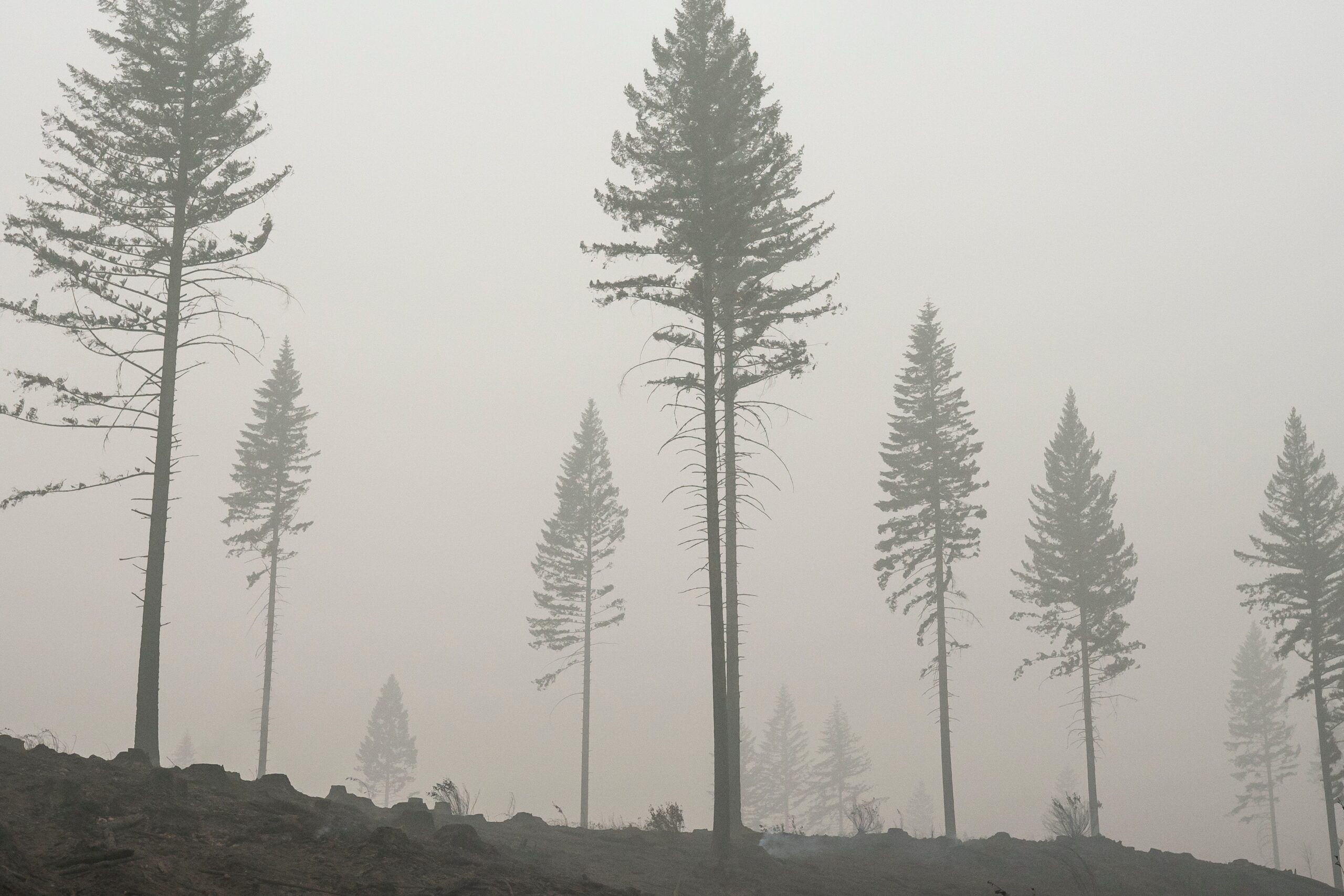
California’s wildfires have reached record severity, driven by a warming climate that intensifies heat, drought, and fuel loads, posing lasting threats to ecosystems and communities.
Quick Answer
California’s wildfires are large‑scale combustion events that have become more frequent and intense because rising temperatures, prolonged drought, and altered vegetation create conditions ripe for ignition and rapid spread. Scientific assessments link these trends to anthropogenic climate change, which increases the number of days with extreme fire weather. The most consequential impact is the combined loss of lives, homes, air quality, and ecosystem services, while uncertainties remain about future fire behavior under different emission pathways.
Key Takeaways
- Fire‑season length in California has expanded by roughly two weeks since the 1980s, according to long‑term climate monitoring.
- Higher average temperatures and reduced snowpack amplify drought, drying vegetation that serves as fuel.
- Human land‑use patterns, such as expanding the wildland‑urban interface, increase exposure to fire.
- Evidence‑based strategies—controlled burns, forest thinning, and resilient building codes—can reduce risk, but they require sustained funding and community support.
What Is California Experiences Worst Wildfires on Record Amid Climate Crisis?
The phrase refers to the series of wildfire seasons in which the total area burned, number of incidents, or associated damages exceed all previously documented events in the state. It is not a single fire but a pattern of record‑breaking seasons that reflect systemic changes in climate and land management. Understanding this phenomenon matters because it signals a shift in baseline risk for ecosystems, public health, and the economy.
How Does It Work?
1. Climate‑Driven Fuel Drying
Rising atmospheric temperatures raise evapotranspiration rates, pulling moisture from soils and vegetation. When precipitation fails to replenish this loss, fuels such as grasses, shrubs, and dead trees become highly flammable. The U.S. National Oceanic and Atmospheric Administration (NOAA) reports that California’s average summer temperature has risen about 1.5 °C since the mid‑20th century, a change strongly correlated with earlier snowmelt and longer dry periods.
2. Drought and Vegetation Stress
Multi‑year droughts, documented by the U.S. Drought Monitor, reduce live‑fuel moisture and increase tree mortality. Dead trees act as ladder fuels, allowing surface fires to climb into canopies—a process known as crown fire, which spreads far more rapidly.
3. Ignition Sources
Human activities (e.g., power‑line failures, equipment sparks, arson) account for roughly 85 % of California fire ignitions, according to the California Department of Forestry and Fire Protection (CAL FIRE). Natural lightning strikes trigger the remaining incidents, but their impact is amplified when fuels are already dry.
4. Fire Spread Mechanics
Once ignited, fire spreads through convection, radiation, and ember transport. Strong, dry winds—often intensified by regional pressure gradients—drive flames across landscapes at speeds exceeding 10 km h⁻¹. Topography further influences direction, with fires accelerating uphill because heat rises.
What Does the Evidence Show?
Multiple lines of evidence converge on a clear picture. Long‑term satellite records from NASA’s Moderate Resolution Imaging Spectroradiometer (MODIS) indicate that the annual burned area in California increased from an average of 300 000 acres in the 1980s to over 4 million acres in the 2020 fire season. Peer‑reviewed attribution studies, such as those summarized in the Intergovernmental Panel on Climate Change (IPCC) Fifth Assessment Report, find that climate change has made the conditions that lead to large fires more likely in the western United States. Experimental fuel‑moisture studies confirm that a 1 °C temperature rise can reduce live‑fuel moisture by 5‑10 %, dramatically raising fire probability.
Main Causes or Drivers
Direct Causes
- Human ignition sources (equipment, power lines, arson).
- Extreme weather events: heatwaves, low humidity, and strong winds.
Underlying Drivers
- Anthropogenic greenhouse‑gas emissions that warm the climate.
- Decades of fire suppression that have built up dense forest fuels.
- Urban expansion into the wildland‑urban interface, increasing exposure.
Amplifying Factors
- Invasive grass species that dry out quickly and carry fire.
- Fragmented land ownership that hampers coordinated fuel‑management.
Environmental and Human Impacts
Environmental Impacts
- Air quality: Smoke plumes raise fine‑particulate (PM₂.₅) concentrations, leading to regional haze and respiratory stress.
- Biodiversity loss: High‑severity burns destroy habitat for species such as the California condor and Sierra Nevada red‑fox.
- Watershed degradation: Post‑fire erosion increases sediment loads in streams, impairing water treatment and harming aquatic life.
- Carbon emissions: Wildfires released an estimated 108 million metric tons of CO₂ in 2020, comparable to the annual emissions of a mid‑size city.
Human Health and Social Impacts
- Acute exposure to smoke is linked to increased emergency‑room visits for asthma and cardiovascular events.
- Displacement of tens of thousands of residents creates temporary housing shortages and mental‑health stressors.
- Low‑income communities often reside nearer to high‑risk zones, magnifying inequitable exposure.
Economic and Infrastructure Impacts
- Fire suppression costs exceeded US$2 billion in the 2020 season, according to the U.S. Forest Service.
- Infrastructure damage includes loss of power lines, roads, and water‑treatment facilities, leading to long‑term service disruptions.
Regional Differences
The fire regime varies across California’s diverse landscapes. In the southern chaparral zones, fires tend to be frequent but of lower intensity, whereas the northern Sierra Nevada experiences less frequent, high‑severity crown fires that affect timber resources and alpine watersheds. Coastal redwood forests have historically resisted fire due to high moisture, but recent droughts have increased susceptibility, especially in inland fringe areas. These patterns illustrate that mitigation strategies must be tailored to local climate, vegetation, and land‑use contexts.
What Scientists Know With High Confidence
- Rising temperatures and longer droughts increase the likelihood of large, extreme wildfires in California.
- Human activities are the dominant source of fire ignitions.
- Fuel accumulation from historic fire suppression contributes to higher fire intensity.
- Smoke from wildfires poses measurable short‑term health risks, especially for vulnerable populations.
What Remains Uncertain
Key uncertainties include the exact magnitude of future fire activity under different greenhouse‑gas emission pathways, the long‑term ecological response of fire‑adapted species to more frequent high‑severity burns, and the effectiveness of large‑scale prescribed‑burn programs in the face of limited resources and public acceptance. Improved remote sensing and coordinated monitoring networks are needed to narrow these gaps.
Common Misconceptions
Misconception: “All wildfires are natural and beneficial.”
Reality: While low‑intensity fires can promote ecosystem renewal, the recent surge in high‑severity, human‑ignited fires exceeds the natural fire regime and often results in net ecological loss.
Misconception: “Climate change is the sole cause of every California fire.”
Reality: Climate change creates the conditions that make fires more likely, but ignition sources, land‑use decisions, and fuel management also play decisive roles.
Misconception: “Prescribed burns are too risky and should be avoided.”
Reality: When carefully planned and executed, prescribed burns reduce fuel loads and have been shown to lower the probability of extreme crown fires, though they require skilled personnel and favorable weather windows.
Solutions and Limitations
Effective response combines prevention, mitigation, and adaptation.
- Fuel‑management actions: Mechanical thinning and prescribed burns can lower fire intensity, but high costs, labor shortages, and public concern limit rapid scaling.
- Building‑code reforms: Fire‑resistant materials and defensible‑space requirements improve structural survivability; however, retrofitting existing housing stock is expensive.
- Renewable‑energy transition: Reducing reliance on fossil‑fuel power plants cuts greenhouse‑gas emissions, mitigating long‑term climate drivers, yet the energy transition requires substantial infrastructure investment.
- Early‑warning systems: Satellite‑based fire detection and community alert networks shorten response times, but they cannot prevent ignition.
What Individuals, Communities, and Governments Can Do
What Individuals Can Do
- Create defensible space by clearing vegetation within 30 feet of structures.
- Use fire‑rated roofing and siding materials when renovating.
- Support local fire‑prevention programs through volunteering or donations.
What Communities and Organizations Can Do
- Develop and practice community evacuation plans.
- Partner with fire agencies to conduct neighborhood fuel‑reduction projects.
- Promote public education campaigns about safe equipment use during high‑fire‑danger days.
What Governments Can Do
- Allocate stable funding for large‑scale prescribed‑burn programs and forest restoration.
- Enforce and update building codes in the wildland‑urban interface.
- Integrate climate‑risk assessments into land‑use planning and infrastructure investment.
- Support research on fire‑weather forecasting and health‑impact mitigation.
Synthesis
California’s record‑breaking wildfires are a symptom of a warming climate, compounded by historic land‑management choices and expanding human exposure. Robust evidence links higher temperatures, prolonged drought, and accumulated fuels to the observed escalation in fire size and intensity. While uncertainties remain about future fire trajectories and ecosystem responses, the high‑confidence findings provide a clear basis for action. Implementing a mix of fuel‑management, resilient construction, and climate‑mitigation policies can reduce both the probability of extreme fires and their societal toll. Sustained collaboration across individuals, communities, and governments will be essential to adapt to an increasingly fire‑prone future.
Frequently Asked Questions
What defines a record‑breaking wildfire season in California?
A record‑breaking season is one in which the total area burned, number of fires, or associated damages exceed all previously documented seasons, as measured by official agency statistics.
How does climate change increase wildfire risk?
Climate change raises average temperatures and extends drought periods, which dry out vegetation and create more combustible fuel, making ignition and rapid fire spread more likely.
What are the main human causes of California wildfires?
Human activities such as power‑line failures, equipment sparks, and arson account for about 85 % of fire ignitions, while land‑use expansion puts more people and property in fire‑prone areas.
Which health problems are linked to wildfire smoke?
Exposure to wildfire smoke can worsen asthma, increase emergency‑room visits for respiratory and cardiovascular issues, and pose particular risks to children, older adults, and low‑income communities.
What actions can communities take to reduce wildfire damage?
Communities can create defensible space around homes, support prescribed‑burn projects, develop evacuation plans, and work with fire agencies on fuel‑reduction and public‑education initiatives.





Leave a Comment