
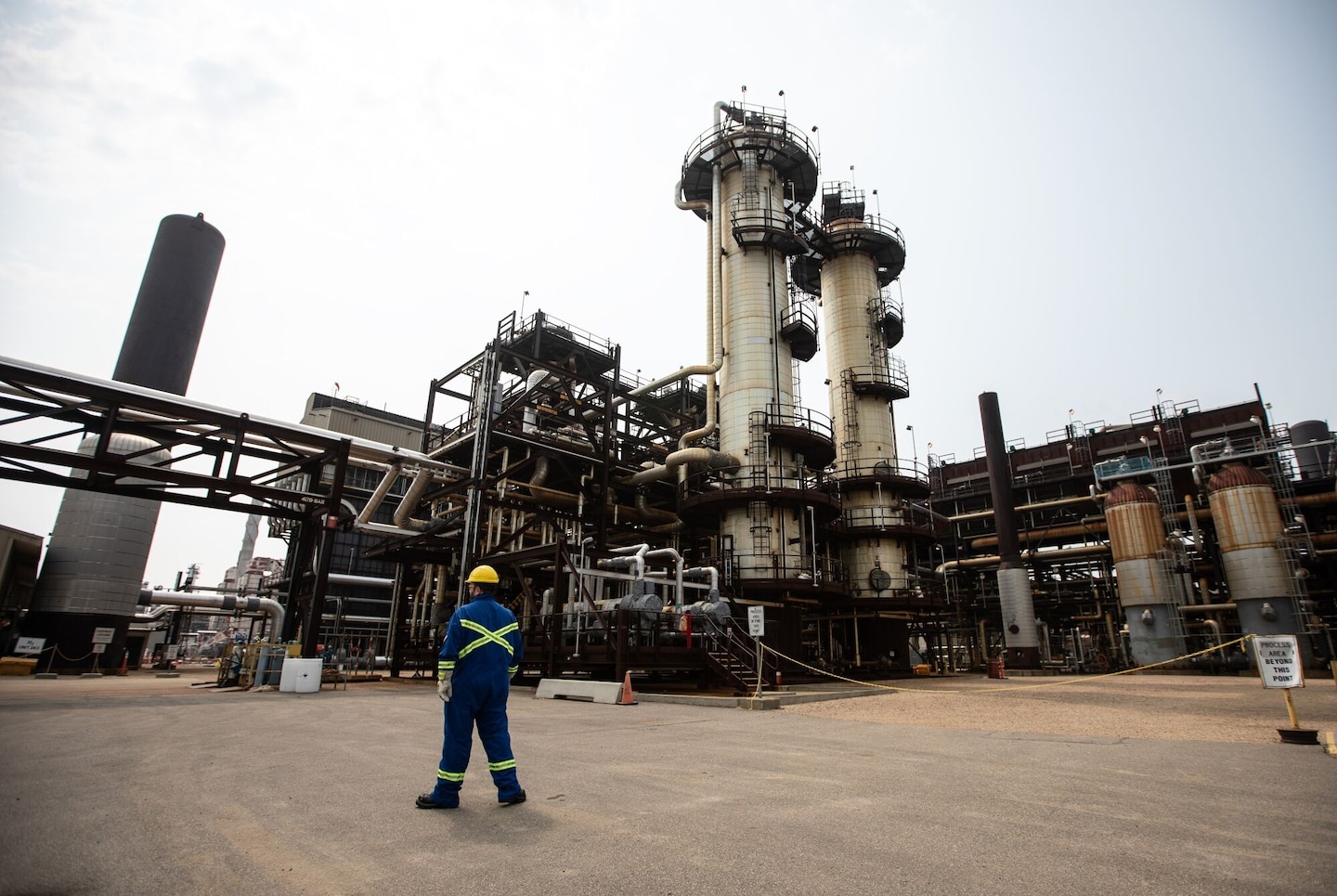
A cross‑sector coalition announced at COP30 urges governments, investors and companies to accelerate the phase‑out of coal, oil and gas, arguing that climate science, falling renewable‑energy costs and job creation make a rapid transition both necessary and economically viable.
Quick Answer
The Business Coalition formed at COP30 is a voluntary alliance of multinational corporations, investors, industry groups and NGOs that publicly calls for a faster global phase‑out of coal, oil and gas. It combines coordinated policy advocacy, capital reallocation toward low‑carbon projects, and shared technology deployment to align profit motives with the climate goal of limiting warming to 1.5 °C. While scientific consensus shows that continued fossil‑fuel use would exceed the carbon budget, the coalition acknowledges that success depends on supportive policies, reliable financing and scalable clean‑energy technologies.
Key Takeaways
- Business leaders are endorsing a rapid fossil‑fuel phase‑out because climate risk threatens long‑term profitability.
- Renewable electricity costs have fallen below the levelized cost of new coal and gas in most regions, making the transition economically viable.
- Financial institutions can accelerate change by redirecting capital toward low‑carbon projects and away from high‑emission assets.
- Policy tools such as carbon pricing, renewable‑energy targets and just‑transition support are essential to overcome market inertia.
- Circular‑economy practices and supply‑chain decarbonisation extend the impact beyond power generation.
What Is Business Coalition at COP30 Calls for Urgent Transition Away From Fossil Fuels?
The coalition is a voluntary partnership announced during the United Nations Climate Change Conference (COP30) in 2024. It brings together multinational corporations, industry associations, impact investors and non‑governmental organisations that have pledged to lobby for faster fossil‑fuel phase‑out, set science‑based emissions targets, and invest in renewable technologies. Unlike ad‑hoc pledges, the coalition adopts a shared agenda, publishes joint statements and coordinates engagement with national governments and the United Nations Framework Convention on Climate Change (UNFCCC). Its purpose is to demonstrate that private‑sector action can complement public policy in limiting global warming to 1.5 °C.
How Does It Work?
The coalition operates through four interlocking mechanisms:

- Collective Advocacy: Members submit coordinated policy recommendations to host governments, urging stricter carbon‑pricing mechanisms, removal of fossil‑fuel subsidies, and accelerated permitting for wind and solar projects.
- Capital Reallocation: Signatory investors commit to aligning their portfolios with the Task Force on Climate‑Related Financial Disclosures (TCFD) framework, shifting funds from coal‑heavy assets to renewable‑energy projects and green bonds.
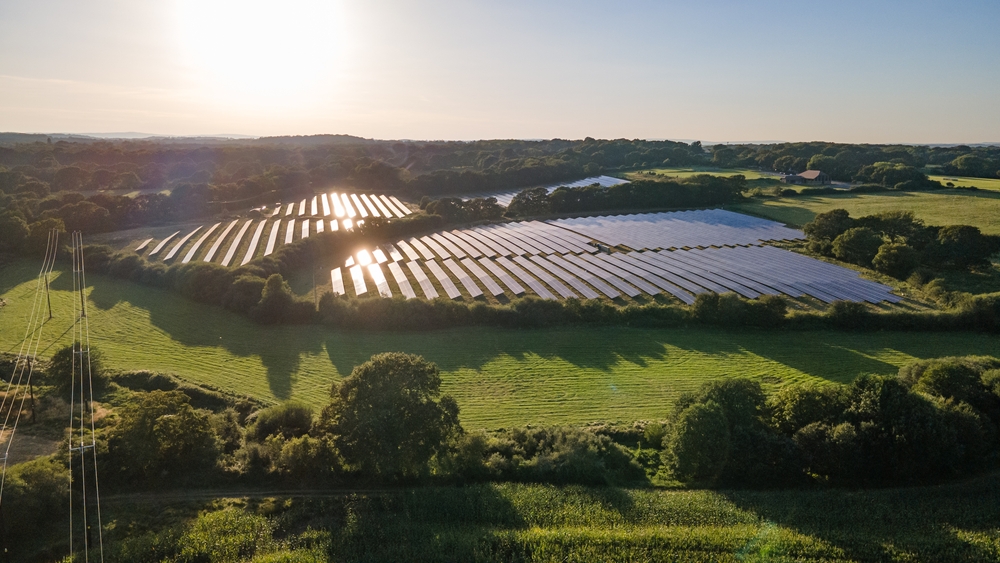
- Technology Deployment: Corporate members share best‑practice case studies on integrating on‑site solar, battery storage and hydrogen for hard‑to‑decarbonise processes, creating a knowledge‑exchange platform.
- Monitoring and Reporting: Annual progress reports, verified by third‑party auditors, track emissions reductions, renewable‑energy capacity added, and financial flows toward low‑carbon investments.
What Does the Evidence Show?
Multiple high‑level assessments confirm that rapid fossil‑fuel reduction is technically feasible and economically beneficial. The Intergovernmental Panel on Climate Change (IPCC) Sixth Assessment Report (2022) states that limiting warming to 1.5 °C requires global CO₂ emissions to fall by about 43 % from 2019 levels by 2030, a pace that exceeds current national commitments. The International Energy Agency (IEA) reported in its World Energy Outlook 2023 that renewable electricity generation cost‑competitiveness has reached parity with new coal in 30 of 40 analysed markets. A systematic review of 112 peer‑reviewed studies published in *Renewable and Sustainable Energy Reviews* (2021) found that every dollar invested in clean‑energy infrastructure yields between 1.5 and 3 dollars of economic return through job creation and avoided health costs.
Main Causes or Drivers
Direct Causes
Continued extraction and combustion of coal, oil and natural gas release carbon dioxide and methane, the primary greenhouse gases responsible for anthropogenic warming.
Underlying Drivers
- Historical reliance on inexpensive fossil‑fuel subsidies that distort market signals.
- Corporate risk‑aversion that favours established supply chains over emerging clean technologies.
- Financial structures that reward short‑term profit over long‑term climate resilience.
Amplifying Factors
Rapid urbanisation and electrification of transport increase overall energy demand, while delayed policy action compresses the remaining carbon budget for a safe climate pathway.
Environmental and Human Impacts
Environmental Impacts
Continued fossil‑fuel use contributes to rising atmospheric CO₂ concentrations, which the IPCC links to increased frequency of heatwaves, sea‑level rise and ocean acidification. By 2050, unchecked emissions could push global temperature rise to 2.7 °C, jeopardising coral reefs, alpine ecosystems and Arctic permafrost.
Human Health and Social Impacts
Air pollutants from coal plants—particulate matter (PM₂.₅) and sulfur dioxide—are associated with higher rates of respiratory disease and premature mortality, especially in low‑income communities near power stations (World Health Organization, 2021). Transitioning to clean energy can reduce these health burdens while creating new skilled jobs in manufacturing, installation and maintenance of renewable infrastructure.
Economic and Infrastructure Impacts
Regions dependent on coal mining face employment displacement, but studies from the International Labour Organization (2022) suggest that targeted retraining and investment in renewable projects can offset job losses within a decade. Infrastructure built for fossil‑fuel transport (e.g., pipelines) may become stranded assets, representing financial risk for investors.
Regional Differences
Transition dynamics vary widely. In Europe, strong policy frameworks and mature renewable markets have already reduced coal’s share to below 10 % of electricity generation (Eurostat, 2023). In contrast, South‑East Asia still derives over 40 % of power from coal, constrained by limited grid capacity and financing gaps. Sub‑Saharan Africa faces the dual challenge of low electricity access and reliance on diesel generators, making renewable micro‑grids a priority. These examples illustrate that while the climate imperative is global, implementation pathways must be tailored to local economic structures, resource endowments and governance capacity.
What Scientists Know With High Confidence
- Human activities, chiefly fossil‑fuel combustion, are the dominant cause of observed global warming since the mid‑20th century.
- Limiting warming to 1.5 °C requires net‑zero CO₂ emissions by around 2050, with rapid reductions needed in the next decade.
- Renewable electricity cost trends have been consistently downward, making wind and solar cheaper than new coal in most markets.
- Air pollution from fossil‑fuel power plants causes measurable health harms, especially in densely populated areas.
What Remains Uncertain
Key uncertainties include the exact timing and magnitude of climate feedbacks such as permafrost carbon release, which could add additional CO₂ and methane to the atmosphere. The speed at which large‑scale energy storage can be deployed to address renewable intermittency also remains unclear, as does the political willingness of major fossil‑fuel‑exporting nations to restructure their economies. These gaps affect projections of how quickly the global energy system can decarbonise but do not overturn the overall need for rapid transition.
Common Misconceptions
Misconception: Renewable energy cannot meet industrial demand.
Reality: Studies show that with a mix of wind, solar, hydro, and emerging technologies such as green hydrogen, it is technically feasible to supply over 80 % of global energy demand by 2050, provided sufficient transmission and storage are built.
Misconception: Business climate pledges are merely green‑washing.
Reality: While some commitments lack rigor, the COP30 coalition includes third‑party verification and binding financial targets, making its collective action more accountable than isolated corporate statements.
Misconception: Phasing out fossil fuels will cause immediate economic collapse.
Reality: Economic analyses consistently find that the net economic impact of a managed transition is positive, driven by lower energy costs, health savings and new employment, though short‑term adjustment costs must be managed through policy.
Solutions and Limitations
Effective responses combine several pillars:
- Policy Instruments: Carbon pricing, removal of subsidies and renewable‑energy standards create market incentives. Political resistance can delay implementation.
- Financial Realignment: Green bonds and climate‑aligned investment portfolios channel capital toward low‑carbon projects. Robust disclosure standards are needed to avoid “green‑washing”.
- Technology Deployment: Scaling wind, solar, battery storage and green hydrogen reduces reliance on fossil fuels. Intermittency and material supply chains for batteries remain challenges.
- Circular‑Economy Practices: Recycling of solar panels and repurposing of decommissioned oil infrastructure lower waste and resource extraction, yet current recycling rates are low and require regulatory support.
- Just‑Transition Programs: Retraining workers and investing in affected regions mitigate social disruption. Success depends on adequate funding and local governance capacity.
What Individuals, Communities, and Governments Can Do
What Individuals Can Do
Choose electricity tariffs that source renewable power, reduce personal fossil‑fuel consumption (e.g., driving less or using an electric vehicle where feasible), and support companies with credible climate targets through purchasing decisions.
What Communities and Organizations Can Do
Develop local renewable projects such as community solar, advocate for municipal climate‑action plans, and partner with businesses to pilot low‑carbon technologies.
What Governments Can Do
Implement carbon pricing at levels that reflect the social cost of carbon, set legally binding renewable‑energy targets, and allocate transition funds for workforce reskilling in fossil‑fuel‑dependent regions.
What Businesses and Industries Can Do
Set science‑based emissions reduction targets, disclose climate‑related financial risks, invest in renewable energy for operations, and participate in the COP30 coalition’s coordinated lobbying efforts.
Closing Synthesis
The Business Coalition announced at COP30 illustrates a growing consensus that profit and planet can be aligned through decisive action on fossil‑fuel phase‑out. Robust scientific evidence links continued carbon emissions to severe climate impacts, while economic analyses show that renewable energy is now cost‑competitive and job‑creating. Remaining uncertainties—such as the pace of storage technology rollout and geopolitical dynamics—do not diminish the urgency of coordinated policy, finance and technology measures. By combining strong public policy, accountable private investment and community‑level initiatives, the transition away from fossil fuels can become a sustainable, equitable pathway for the global economy.
Frequently Asked Questions
What is the Business Coalition announced at COP30?
The Business Coalition is a voluntary alliance of multinational corporations, investors, industry groups and NGOs announced at the 2024 COP30 conference. It coordinates advocacy, capital reallocation and technology sharing to accelerate the global phase‑out of coal, oil and gas.
How does the coalition plan to accelerate the phase‑out of fossil fuels?
The coalition works through four mechanisms: collective advocacy for stricter carbon pricing and subsidy removal; capital reallocation aligning portfolios with TCFD standards; shared deployment of on‑site solar, storage and hydrogen; and third‑party‑verified monitoring of emissions reductions and renewable capacity added.
What scientific evidence supports the claim that renewable energy is now cheaper than new coal?
The International Energy Agency’s World Energy Outlook 2023 showed that in 30 of 40 examined markets, the levelized cost of new wind or solar electricity is equal to or lower than new coal. This finding is reinforced by multiple peer‑reviewed studies that document a steady decline in renewable‑energy costs over the past decade.
What are the main economic benefits of moving away from fossil fuels?
Economic analyses indicate that each dollar invested in clean‑energy infrastructure generates between 1.5 and 3 dollars of return through job creation, avoided health costs and lower energy prices. Additionally, retiring high‑emission assets reduces the risk of stranded infrastructure and aligns long‑term profitability with climate goals.
How can individuals contribute to the coalition’s goals?
Individuals can support the coalition’s objectives by choosing renewable electricity tariffs, reducing personal fossil‑fuel use (e.g., driving less or switching to an electric vehicle when possible), and purchasing from companies that have verified climate targets and transparent reporting.








Leave a Comment