
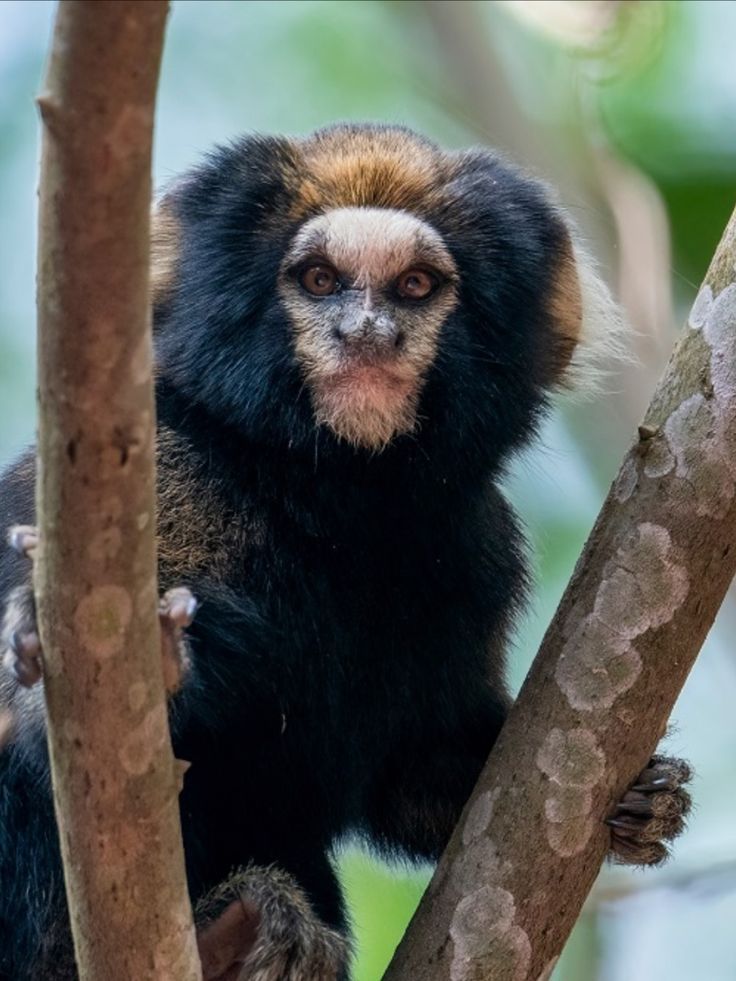
The buffy‑tufted marmoset (Callithrix aurita) is a small Atlantic‑Forest primate whose survival hinges on habitat protection, anti‑poaching measures, and community‑based conservation.
Quick Answer
The buffy‑tufted marmoset is an endemic New World monkey of Brazil’s Atlantic Forest that is classified as Critically Endangered by the IUCN Red List (2022). Its decline is driven primarily by forest fragmentation, illegal capture for the pet trade, and competition with invasive marmoset species. Strong scientific consensus indicates that without coordinated habitat restoration and legal enforcement, the species faces a very high risk of extinction. Some uncertainty remains about the exact size of remaining populations because field surveys are limited to a few forest fragments.
Key Takeaways
- The buffy‑tufted marmoset occupies less than 5 % of its historic Atlantic‑Forest range.
- Habitat loss, illegal trade, and hybridisation with introduced marmoset species are the three main threats.
- Conservation actions that combine forest corridors, community education, and strict law enforcement show the greatest potential for recovery.
- Scientific knowledge about population size and genetic health is still limited, highlighting the need for more field monitoring.
- Local people, NGOs, and government agencies can all contribute to protecting remaining forest patches.
What Is The Buffy‑Tufted Marmoset of Brazil: A Species on the Brink?
Callithrix aurita, commonly called the buffy‑tufted marmoset, is a diminutive primate measuring 20–25 cm in body length with distinctive light‑coloured ear tufts. It is endemic to the Atlantic Forest biome of southeastern Brazil, a biodiversity hotspot that once stretched across 1.5 million km² but now exists in isolated fragments covering roughly 12 % of its original area. The species is listed as Critically Endangered on the IUCN Red List (2022) because of rapid declines in both range and population density.
How Does It Work?
Ecological Role
Buffy‑tufted marmosets are omnivorous seed dispersers and pollinators. They feed on fruits, nectar, gum, and insects, moving seeds away from parent trees and facilitating forest regeneration. Their social groups typically consist of a breeding pair and up to eight helper individuals, which cooperate in infant care and territory defence.
Reproductive Biology
Females give birth to twins after a gestation of about 144 days. High infant mortality is common in fragmented habitats where food availability fluctuates and predation pressure is higher.
Population Dynamics
Population growth depends on the size and connectivity of forest patches. Small, isolated groups suffer from inbreeding depression, reducing genetic diversity and resilience to disease.
What Does the Evidence Show?
Long‑term monitoring by Brazil’s Instituto Chico Mendes de Conservação da Biodiversidade (ICMBio) indicates a 70 % reduction in suitable habitat between 2000 and 2020. Field surveys in the states of Rio de Janeiro and Espírito Santo recorded fewer than 1,200 individuals across all known fragments (ICMBio, 2021). Genetic studies published in the journal *Conservation Genetics* (2020) reveal extensive hybridisation with the introduced common marmoset (Callithrix jacchus), which can dilute the unique genetic identity of C. aurita.
Main Causes or Drivers
Direct Habitat Loss
Commercial agriculture, especially soybean and cattle ranching, has cleared large swaths of the Atlantic Forest. The Brazilian Institute of Geography and Statistics (IBGE) reports that forest cover in the marmoset’s range fell from 30 % in 1990 to 12 % in 2020.
Illegal Pet Trade
Because of their striking appearance, buffy‑tufted marmosets are captured for the exotic‑pet market. Enforcement data from the Brazilian Institute of Environment and Renewable Natural Resources (IBAMA) show an average of 45 confiscated individuals per year between 2015 and 2019.
Hybridisation with Invasive Species
Introduced common marmosets, released from the pet trade, interbreed with C. aurita, creating hybrids that compete for resources and further erode the genetic pool.
Environmental and Human Impacts
Environmental Impacts
Loss of marmoset seed‑dispersal services can slow forest regeneration, affecting carbon storage and biodiversity. Their decline also signals broader ecosystem degradation, as they are an indicator species for forest health.
Human Health and Social Impacts
Local communities that rely on forest products may experience reduced availability of fruit and medicinal plants that depend on marmoset pollination. Additionally, illegal wildlife trade can fuel organized crime networks, undermining rural safety.
Economic and Infrastructure Impacts
Deforestation for agriculture reduces long‑term ecosystem services such as water regulation, potentially increasing costs for municipal water treatment in nearby cities like Rio de Janeiro.
Regional Differences
In the coastal lowlands of Rio de Janeiro, forest fragments are smaller (200 ha), supporting slightly higher marmoset densities but still facing illegal logging pressures.
What Scientists Know With High Confidence
- The buffy‑tufted marmoset’s range has contracted by more than 80 % since the mid‑20th century.
- Habitat fragmentation is the primary driver of population decline.
- Hybridisation with introduced marmoset species is occurring and threatens genetic integrity.
- Legal protection under Brazil’s federal wildlife law (Law No. 9605/1998) exists, but enforcement is uneven.
What Remains Uncertain
Key gaps include accurate population counts across remote forest fragments, the long‑term viability of hybrid populations, and the effectiveness of recent corridor projects. Improved camera‑trap networks and genetic monitoring are needed to reduce these uncertainties.
Common Misconceptions
Misconception: The species is already extinct.
Reality: Small, viable populations persist in protected reserves such as the Serra da Tiririca State Park, although they are highly fragmented.
Misconception: All marmosets are the same and interchangeable.
Reality: Each marmoset species has distinct ecological roles and genetic make‑up; replacing C. aurita with C. jacchus would alter forest dynamics.
Misconception: Protecting the marmoset only helps the animal itself.
Reality: Conservation of its habitat preserves carbon stocks, water quality, and biodiversity that benefit human communities.
Solutions and Limitations
Effective strategies combine habitat restoration, legal enforcement, and community engagement. Reforestation corridors can reconnect isolated patches, but success depends on landowner participation and long‑term funding. Strengthening penalties for illegal capture may deter trade, yet corruption and limited resources can limit enforcement. Education programs raise awareness but need to be culturally relevant to achieve behavioural change.
What Individuals, Communities, and Governments Can Do
What Individuals Can Do
- Support certified sustainable products that do not contribute to Atlantic‑Forest deforestation.
- Donate to NGOs that fund forest‑corridor projects, such as the WWF Brazil program.
- Report illegal wildlife trade sightings to local authorities.
What Communities and Organizations Can Do
- Develop community‑led ecotourism that provides income while protecting marmoset habitats.
- Participate in citizen‑science monitoring using smartphone apps to record sightings.
- Adopt native tree species for reforestation to enhance food resources for marmosets.
What Governments Can Do
- Expand and enforce protected‑area networks, prioritising connectivity between fragments.
- Increase funding for the national wildlife enforcement agency (IBAMA) to improve patrols.
- Integrate marmoset conservation into broader climate‑mitigation policies, such as the National Climate Change Strategy.
Closing Synthesis
The buffy‑tufted marmoset epitomises the urgent challenge of conserving Brazil’s Atlantic Forest. Robust evidence links habitat loss, illegal trade, and hybridisation to its steep decline, while high‑confidence findings confirm that immediate protection of remaining forest patches is essential. Uncertainties about exact population numbers and hybrid dynamics highlight the need for continued research. By aligning habitat restoration, law enforcement, and community‑based stewardship, stakeholders can create a realistic pathway that safeguards this charismatic primate and the broader ecosystem services it supports.
Frequently Asked Questions
What is the conservation status of the buffy‑tufted marmoset?
The buffy‑tufted marmoset is classified as Critically Endangered on the IUCN Red List (2022) due to severe habitat loss and population decline.
Why does habitat fragmentation threaten this species?
Fragmented forests limit food availability, increase predation risk, and isolate groups, leading to reduced genetic diversity and lower reproductive success.
How does illegal pet trade affect buffy‑tufted marmosets?
Capture for the exotic‑pet market removes individuals from wild populations, disrupts social groups, and introduces invasive marmoset species that can hybridise with native individuals.
What are effective actions to help protect the species?
Protecting and reconnecting forest patches, enforcing wildlife‑trade laws, and supporting community‑led conservation projects are the most evidence‑based strategies.
Is the buffy‑tufted marmoset the same as other marmoset species?
No; each marmoset species has unique ecological roles and genetics. Replacing C. aurita with introduced species would alter forest dynamics and reduce biodiversity.







Leave a Comment