
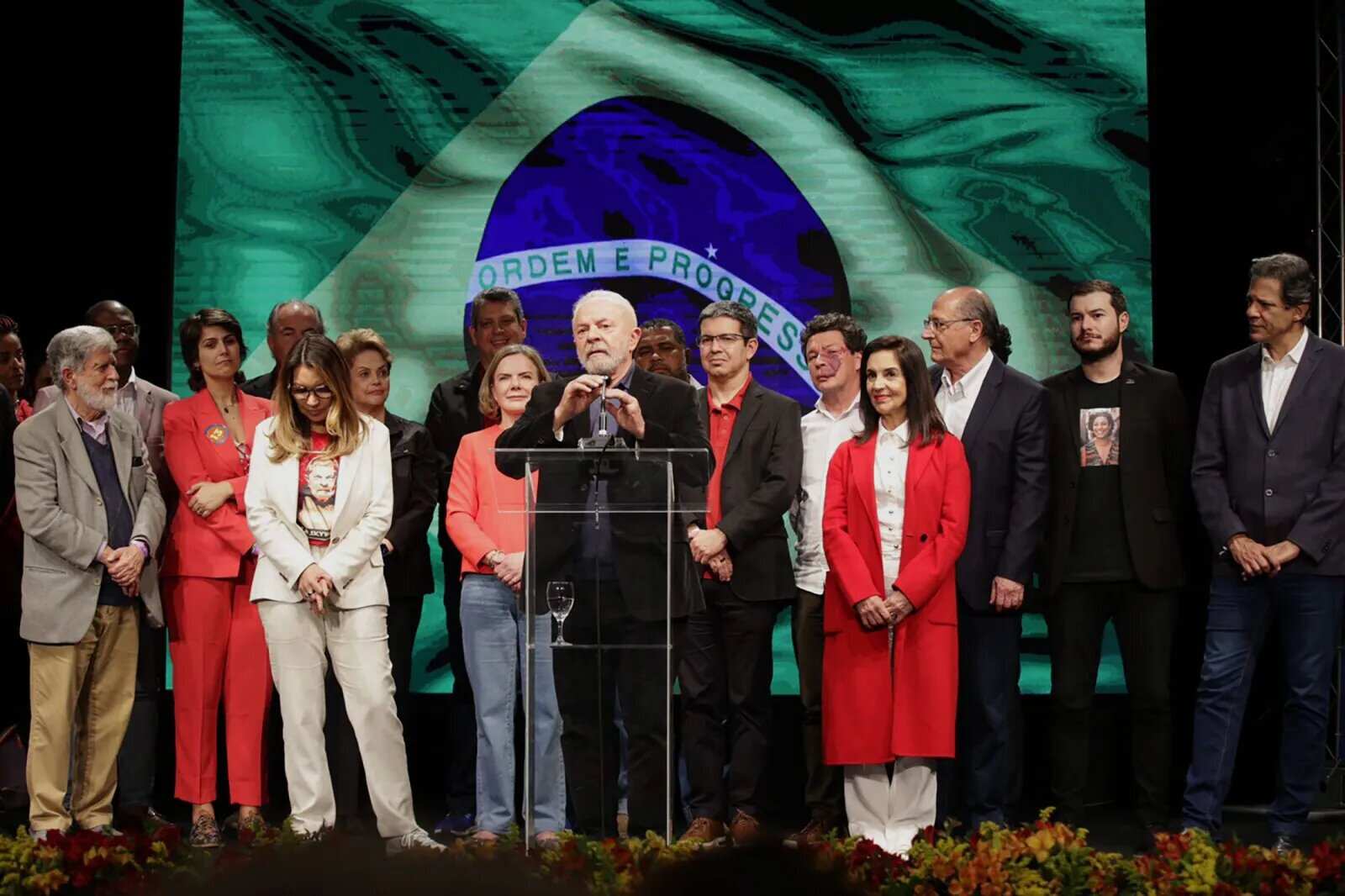
The Brazil presidential election will shape the future of the Amazon, climate commitments, indigenous rights, and the nation’s role in global sustainability.
Quick Answer
The election determines whether Brazil will strengthen protection of the Amazon and honor international climate accords or continue policies that favor short‑term economic gains at the expense of forests and biodiversity. High‑confidence science shows the Amazon stores about 100 billion metric tons of carbon, so policies that curb deforestation directly affect global climate mitigation. While the exact trajectory depends on post‑election implementation, the choice of president is a decisive factor for Brazil’s environmental direction.
Key Takeaways
- The Amazon accounts for roughly 10% of global carbon sequestration, making its protection a climate priority.
- Deforestation rates surged under policies that relaxed enforcement, reaching over 13,000 km² between 2020‑2021 (IBGE, 2022).
- Indigenous land rights correlate with lower deforestation; stronger legal recognition can halve forest loss.
- Brazil’s pledged net‑zero target by 2050 depends on political will, renewable‑energy investment, and effective monitoring.
- Solutions combine enforcement, sustainable agriculture, and international finance, but each faces trade‑offs and funding gaps.
What Is Brazil Presidential Elections: What’s at Stake for the Environment?
The Brazilian presidential election is a nationwide vote held every four years to choose the head of state and government. Environmentally, the election matters because the president sets national policies on forest protection, climate commitments, energy strategy, and indigenous rights. The outcome influences how Brazil manages the Amazon—covering more than 60% of its territory—and how it fulfills obligations under the Paris Agreement and other multilateral frameworks.
How Does It Work?
Political Decision‑Making Process
- Candidates campaign on platforms that include environmental agendas.
- Voters cast ballots; the candidate with the most votes (a simple majority) wins.
- The president appoints ministers, including the Ministry of Environment, who draft regulations, budgets, and enforcement strategies.
- Legislation passed by Congress can further shape environmental law, but executive action often determines enforcement vigor.
Environmental Policy Levers
Key levers include forest‑code revisions, funding for satellite monitoring (e.g., Brazil’s DETER system), licensing for mining and agribusiness, and international climate finance agreements. Changes in any of these areas can accelerate or decelerate deforestation, affect greenhouse‑gas emissions, and alter biodiversity outcomes.
What Does the Evidence Show?
Long‑term monitoring by Brazil’s National Institute for Space Research (INPE) indicates that annual deforestation fell from 7,500 km² in 2004 to 4,800 km² in 2012, then rose again to 13,200 km² in 2021 (INPE, 2022). A systematic review published in *Nature Climate Change* (2020) links reduced deforestation to lower regional temperature anomalies. Moreover, the Intergovernmental Panel on Climate Change (IPCC) 2021 report highlights tropical forests as critical carbon sinks, estimating that protecting the Amazon could avoid up to 0.5 °C of global warming by 2100.
Main Causes or Drivers
Direct Causes
- Illegal logging and land‑clearing for cattle ranching.
- Mining concessions that open roads, facilitating further forest loss.
Underlying Drivers
- Economic incentives favoring short‑term agricultural expansion.
- Weak enforcement of the Brazilian Forest Code.
- Marginalization of indigenous territories, reducing community‑based stewardship.
Environmental and Human Impacts
Environmental Impacts
Deforestation releases stored carbon, contributing to about 0.3 GtCO₂ yr⁻¹ of emissions (World Bank, 2021). Habitat loss threatens an estimated 10% of known species, including many endemic amphibians and birds. Altered water cycles reduce regional rainfall, affecting agriculture beyond Brazil’s borders.
Human Health and Social Impacts
Air‑quality degradation from forest fires increases respiratory illnesses in nearby communities. Indigenous peoples lose cultural sites and food security when territories are invaded, leading to displacement and heightened poverty.
Economic and Infrastructure Impacts
While agribusiness generates short‑term revenue, the loss of ecosystem services—such as pollination and water regulation—carries long‑term economic costs estimated at US$ 30 billion annually (FAO, 2020).
Regional Differences
Deforestation is concentrated in Brazil’s “arc of deforestation,” spanning the states of Pará, Mato Grosso, and Rondônia. In contrast, the southern Atlantic Forest, though heavily fragmented, experiences slower rates but higher biodiversity loss per hectare. Monitoring capacity also varies: satellite coverage is robust in the Amazon, whereas remote Indigenous territories often rely on community‑based reporting.
What Scientists Know With High Confidence
- The Amazon stores roughly 100 billion metric tons of carbon, making it a major global carbon sink.
- Indigenous-managed lands have significantly lower deforestation rates than adjacent non‑indigenous areas.
- Strong enforcement of forest‑code provisions can reduce annual deforestation by up to 40%.
- Brazil’s 2030 climate target (reducing emissions 43% below 2005 levels) is achievable only with substantial forest protection and renewable‑energy expansion.
What Remains Uncertain
Key uncertainties include the pace at which Brazil can scale renewable‑energy projects, the effectiveness of future international climate finance, and the long‑term socioeconomic impacts of restricting agribusiness expansion on rural employment. Data gaps also exist for illegal mining activities in remote regions, limiting precise emission estimates.
Common Misconceptions
Misconception: Deforestation is solely caused by small‑scale farmers.
Reality: Large‑scale agribusiness, especially cattle and soy production, accounts for the majority of forest conversion, though smallholders also contribute locally.
Misconception: Protecting the Amazon will stop all climate change.
Reality: Forest protection is a critical mitigation tool, but global temperature rise also depends on emissions from fossil‑fuel use worldwide.
Misconception: Brazil can meet its net‑zero goal without policy change.
Reality: Achieving net‑zero by 2050 requires new legislation, stricter enforcement, and substantial investment—none of which are guaranteed under the current policy trajectory.
Solutions and Limitations
- Strengthened Enforcement: Expanding satellite monitoring and increasing penalties can curb illegal clearing, but requires sustained funding and political backing.
- Indigenous Land Titling: Legal recognition reduces deforestation, yet conflicts over land rights can delay implementation.
- Renewable‑Energy Expansion: Investing in wind and solar reduces reliance on biofuel‑linked deforestation, but grid integration challenges remain.
- Sustainable Agriculture: Agroforestry and low‑deforestation soy practices lower impact, but may increase production costs for farmers.
- International Climate Finance: Mechanisms such as REDD+ provide incentives, yet disbursement delays and verification complexities limit effectiveness.
What Individuals, Communities, and Governments Can Do
What Individuals Can Do
- Support certified sustainable products (e.g., RSPO‑certified palm oil, Fairtrade coffee).
- Advocate for climate‑friendly policies by contacting elected representatives.
- Donate to NGOs that work on Amazon conservation and Indigenous rights.
What Communities and Organizations Can Do
- Partner with local Indigenous groups to co‑manage forest monitoring.
- Implement community‑based reforestation projects that use native species.
What Governments Can Do
- Reinforce the Brazilian Forest Code and allocate budget for enforcement agencies.
- Increase transparency of land‑use permits and integrate satellite data into public dashboards.
- Negotiate and honor international climate finance agreements, directing funds toward low‑carbon development.
Closing Synthesis
The Brazilian presidential election is a pivotal moment for the Amazon and global climate. Scientific evidence confirms that strong forest protection, Indigenous rights, and a transition to renewable energy are essential for mitigating emissions and preserving biodiversity. While uncertainties remain around implementation speed and socioeconomic trade‑offs, the direction set by the elected leader will largely determine Brazil’s environmental trajectory. Informed voting, robust policy, and coordinated action across scales offer the best chance to safeguard the planet’s “lungs of the Earth.”
Frequently Asked Questions
What is the environmental significance of Brazil's presidential election?
The election determines national policies on forest protection, climate commitments, and Indigenous rights, directly influencing the Amazon’s role as a major carbon sink and biodiversity reservoir.
How does deforestation affect global climate?
Deforestation releases stored carbon; the Amazon holds about 100 billion metric tons of carbon, so forest loss adds roughly 0.3 GtCO₂ yr⁻¹ to global emissions, accelerating warming.
Why are Indigenous territories important for forest conservation?
Indigenous‑managed lands experience significantly lower deforestation rates—studies show up to a 50% reduction—because traditional stewardship practices prioritize ecosystem health.
What are the main challenges to achieving Brazil’s net‑zero target by 2050?
Key challenges include scaling renewable‑energy infrastructure, securing reliable international climate finance, and balancing agribusiness interests with strict enforcement of environmental laws.
What actions can individuals take to support Amazon conservation?
Individuals can purchase certified sustainable products, advocate for strong environmental policies, and support NGOs that protect the Amazon and defend Indigenous rights.





Leave a Comment